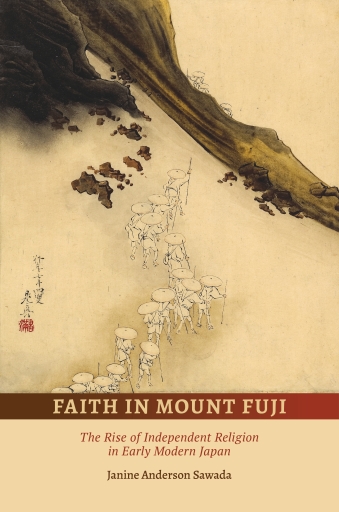
Faith in Mount Fuji
Publié par University of Hawaii Press
English
2021
ISBN 9780824890445
eBook
Buy at Viubux
🇲🇽
 Association of University Presses - Tienda FILUNI
🇺🇸
Visiter la boutique →
Association of University Presses - Tienda FILUNI
🇺🇸
Visiter la boutique →
 Bajalibros Argentina
🇦🇷
Visiter la boutique →
Bajalibros Argentina
🇦🇷
Visiter la boutique →
 Bajalibros Latam
🇺🇸
Visiter la boutique →
Bajalibros Latam
🇺🇸
Visiter la boutique →
 Bookshop Uruguay
🇺🇾
Visiter la boutique →
Bookshop Uruguay
🇺🇾
Visiter la boutique →
 Catademic
🇺🇸
Visiter la boutique →
Catademic
🇺🇸
Visiter la boutique →
Disponible dans 13 librairies
Association of University Presses - Tienda FILUNI
🇺🇸
Visiter la boutique →
Bajalibros Argentina
🇦🇷
Visiter la boutique →
Bajalibros Latam
🇺🇸
Visiter la boutique →
Bookshop Uruguay
🇺🇾
Visiter la boutique →
Catademic
🇺🇸
Visiter la boutique →








À propos de ce livre
Even a fleeting glimpse of Mount Fuji’s snow-capped peak emerging from the clouds in the distance evokes the reverence it has commanded in Japan from ancient times. Long considered sacred, during the medieval era the mountain evolved from a venue for solitary ascetics into a well-regulated pilgrimage site. With the onset of the Tokugawa period, the nature of devotion to Mount Fuji underwent a dramatic change. Working people from nearby Edo (now Tokyo) began climbing the mountain in increasing numbers and worshipping its deity on their own terms, leading to a widespread network of devotional associations known as Fujikō.
In Faith in Mount Fuji Janine Sawada asserts that the rise of the Fuji movement epitomizes a broad transformation in popular religion that took place in early modern Japan. Drawing on existing practices and values, artisans and merchants generated new forms of religious life outside the confines of the sectarian establishment. Sawada highlights the importance of independent thinking in these grassroots phenomena, making a compelling case that the new Fuji devotees carved out enclaves for subtle opposition to the status quo within the restrictive parameters of the Tokugawa order. The founding members effectively reinterpreted materials such as pilgrimage maps, talismans, and prayer formulae, laying the groundwork for the articulation of a set of remarkable teachings by Jikigyō Miroku (1671–1733), an oil peddler who became one of the group’s leading ascetic practitioners. His writings fostered a vision of Mount Fuji as a compassionate parental deity who mandated a new world of economic justice and fairness in social and gender relations. The book concludes with a thought-provoking assessment of Jikigyō’s suicide on the mountain as an act of commitment to world salvation that drew on established ascetic practice even as it conveyed political dissent.
Faith in Mount Fuji is a pioneering work that contains a wealth of in-depth analysis and original interpretation. It will open up new avenues of discussion among students of Japanese religions and intellectual history, and supply rich food for thought to readers interested in global perspectives on issues of religion and society, ritual culture, new religions, and asceticism.
Disponibilité
Faith in Mount Fuji est disponible en eBook dans 13 librairies en ligne. Parmi les librairies qui le proposent : Association of University Presses - Tienda FILUNI, Bajalibros Argentina, Bajalibros Latam.
- Langue
- English
Partager
Questions fréquentes
- Dans quels formats Faith in Mount Fuji est-il disponible ?
- Faith in Mount Fuji est disponible en eBook dans 13 librairies en ligne.
- Où puis-je acheter Faith in Mount Fuji ?
- Vous pouvez acheter Faith in Mount Fuji sur Association of University Presses - Tienda FILUNI, Bajalibros Argentina, Bajalibros Latam. Comparez toutes les options dans la liste de cette page.
Notes et avis
Pas encore de note. Soyez le premier à donner votre avis sur ce livre.
Se connecter pour noter ce livre et donner votre avis.