
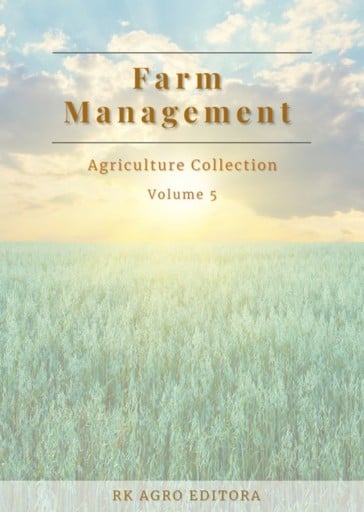
Crop Rotation
Par Dos Nascente, Org. Roger Rodrigo Santos - Ed. Adriano Stephan
Publié par Clube de Autores
English
2021
ISBN 9786599598692
eBook
Buy at Bajalibros Latam
🇺🇸
 Bajalibros Latam
🇺🇸
Visiter la boutique →
Bajalibros Latam
🇺🇸
Visiter la boutique →
 Martins Fontes Paulista
🇧🇷
Visiter la boutique →
Martins Fontes Paulista
🇧🇷
Visiter la boutique →
 Disal - Distribuidora de Conhecimento
🇧🇷
Visiter la boutique →
Disal - Distribuidora de Conhecimento
🇧🇷
Visiter la boutique →
 Ebooks Librería Antártica
🇨🇱
Visiter la boutique →
Ebooks Librería Antártica
🇨🇱
Visiter la boutique →
 Bajalibros Argentina
🇦🇷
Visiter la boutique →
Bajalibros Argentina
🇦🇷
Visiter la boutique →
 Sanborns Ebooks
🇲🇽
Visiter la boutique →
Sanborns Ebooks
🇲🇽
Visiter la boutique →
 ebooks Libreria del GAM
🇨🇱
Visiter la boutique →
ebooks Libreria del GAM
🇨🇱
Visiter la boutique →
 Bookshop Uruguay
🇺🇾
Visiter la boutique →
Bookshop Uruguay
🇺🇾
Visiter la boutique →
 Ebooks Yenny - El Ateneo
🇦🇷
Visiter la boutique →
Ebooks Yenny - El Ateneo
🇦🇷
Visiter la boutique →
 Crisol Ebooks
🇵🇪
Visiter la boutique →
Crisol Ebooks
🇵🇪
Visiter la boutique →
Disponible dans 10 librairies
Bajalibros Latam
🇺🇸
Visiter la boutique →
Martins Fontes Paulista
🇧🇷
Visiter la boutique →
Disal - Distribuidora de Conhecimento
🇧🇷
Visiter la boutique →
Ebooks Librería Antártica
🇨🇱
Visiter la boutique →
Bajalibros Argentina
🇦🇷
Visiter la boutique →
Sanborns Ebooks
🇲🇽
Visiter la boutique →
ebooks Libreria del GAM
🇨🇱
Visiter la boutique →
Bookshop Uruguay
🇺🇾
Visiter la boutique →
Ebooks Yenny - El Ateneo
🇦🇷
Visiter la boutique →
Crisol Ebooks
🇵🇪
Visiter la boutique →
À propos de ce livre
Crop rotation is an agronomic practice that provides soil conservation, in addition to controlling diseases, pests, and weeds in agricultural areas. This practice consists of alternating, in a planned way, the cultivation of different plant species on the same land, and in different agricultural years. In other words, if that year was cultivated in an area, in the next agricultural year in that area another plant species must be cultivated, or this cannot be considered crop rotation. The defined plant species must provide benefits such as agricultural production, and biomass production to improve soil characteristics. With this rotation of species in the same area, benefits can be obtained in the control of plant pests, and diseases due to the difference in the preference of host plants. In addition, the active principles of insecticides, fungicides, and herbicides are alternated, providing greater efficiency for these products. Monoculture - single species cultivated in large areas for several agricultural years - or crop succession (sequence of two plant species in the same agricultural year, such as soybean, and corn in the long term, provide physical degradation, chemical, and biological soil. Additionally, these forms of cultivation (monoculture, and crop succession) provide a reduction in crop productivity, as they favor the development of pests, diseases, and weeds.
- Langue
- English
Partager
Vous aimerez aussi

Criptomoedas - bitcoin, ethereum e altcoins - mais do que um mercado promissor
Barbosa, Fábio

Gestão financeira para negócios em alimentação
de Camargo, Eduardo Scott Franco
El gran giro de América Latina: hacia una región democrática, sostenible, próspera e incluyente
Bitar, Sergio, Mattar, Jorge, Medina, Javier
El agente.
Terán, José Gabriel

Rousseau no usa bitcoins
Sanfeliz Mezquita, Alfredo
Lean Service, management total
Pérez Morales, Guillermo, Morato Gómez, José Luis