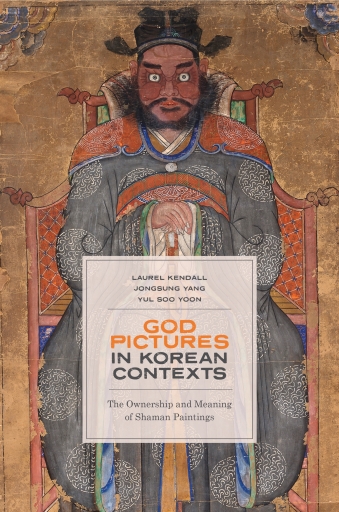
God Pictures in Korean Contexts
Par Kendall, Laurel, Yang, Jongsung, Yoon, Yul Soo
Publié par University of Hawaii Press
Disponible dans 13 librairies
 Association of University Presses - Tienda FILUNI
🇺🇸
Visiter la boutique →
Association of University Presses - Tienda FILUNI
🇺🇸
Visiter la boutique →
 Bajalibros Argentina
🇦🇷
Visiter la boutique →
Bajalibros Argentina
🇦🇷
Visiter la boutique →
 Bajalibros Latam
🇺🇸
Visiter la boutique →
Bajalibros Latam
🇺🇸
Visiter la boutique →
 Bookshop Uruguay
🇺🇾
Visiter la boutique →
Bookshop Uruguay
🇺🇾
Visiter la boutique →
 Catademic
🇺🇸
Visiter la boutique →
Catademic
🇺🇸
Visiter la boutique →








À propos de ce livre
Disponibilité
God Pictures in Korean Contexts est disponible en PDF dans 13 librairies en ligne. Parmi les librairies qui le proposent : Association of University Presses - Tienda FILUNI, Bajalibros Argentina, Bajalibros Latam.
Catégories
- Langue
- English
Questions fréquentes
- Dans quels formats God Pictures in Korean Contexts est-il disponible ?
- God Pictures in Korean Contexts est disponible en PDF dans 13 librairies en ligne.
- Où puis-je acheter God Pictures in Korean Contexts ?
- Vous pouvez acheter God Pictures in Korean Contexts sur Association of University Presses - Tienda FILUNI, Bajalibros Argentina, Bajalibros Latam. Comparez toutes les options dans la liste de cette page.
- Combien de temps faut-il pour lire God Pictures in Korean Contexts ?
- À un rythme de lecture moyen, God Pictures in Korean Contexts se lit en environ 3 h 24 min (185 pages).
Notes et avis
Pas encore de note. Soyez le premier à donner votre avis sur ce livre.
Se connecter pour noter ce livre et donner votre avis.