
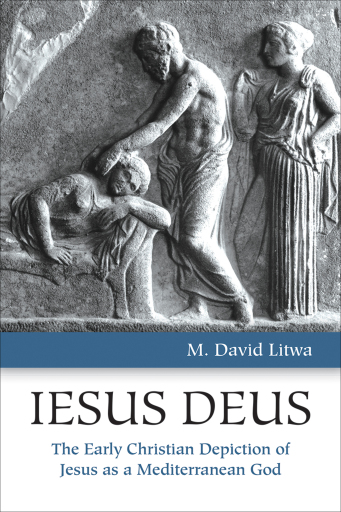
Iesus Deus
Par Litwa, M. David
Publié par Augsburg Fortress Publishers
English
2014
ISBN 9781451479850
eBook
Buy at Catademic
🇺🇸
 Catademic
🇺🇸
Visiter la boutique →
Catademic
🇺🇸
Visiter la boutique →
 Bajalibros Latam
🇺🇸
Visiter la boutique →
Bajalibros Latam
🇺🇸
Visiter la boutique →
 Ebooks Librería Antártica
🇨🇱
Visiter la boutique →
Ebooks Librería Antártica
🇨🇱
Visiter la boutique →
 Bajalibros Argentina
🇦🇷
Visiter la boutique →
Bajalibros Argentina
🇦🇷
Visiter la boutique →
 Sanborns Ebooks
🇲🇽
Visiter la boutique →
Sanborns Ebooks
🇲🇽
Visiter la boutique →
 ebooks Libreria del GAM
🇨🇱
Visiter la boutique →
ebooks Libreria del GAM
🇨🇱
Visiter la boutique →
 Bookshop Uruguay
🇺🇾
Visiter la boutique →
Bookshop Uruguay
🇺🇾
Visiter la boutique →
 Ebooks Yenny - El Ateneo
🇦🇷
Visiter la boutique →
Ebooks Yenny - El Ateneo
🇦🇷
Visiter la boutique →
 Crisol Ebooks
🇵🇪
Visiter la boutique →
Crisol Ebooks
🇵🇪
Visiter la boutique →
Disponible dans 9 librairies
Catademic
🇺🇸
Visiter la boutique →
Bajalibros Latam
🇺🇸
Visiter la boutique →
Ebooks Librería Antártica
🇨🇱
Visiter la boutique →
Bajalibros Argentina
🇦🇷
Visiter la boutique →
Sanborns Ebooks
🇲🇽
Visiter la boutique →
ebooks Libreria del GAM
🇨🇱
Visiter la boutique →
Bookshop Uruguay
🇺🇾
Visiter la boutique →
Ebooks Yenny - El Ateneo
🇦🇷
Visiter la boutique →
Crisol Ebooks
🇵🇪
Visiter la boutique →
À propos de ce livre
What does it mean for Jesus to be “deified” in early Christian literature? Although the divinity of Jesus was a topic of profound and contested discussion in Christianity’s early centuries, believers did not simply assert that Jesus was divine; in their literature, they depicted Jesus with the specific and widely-recognized traits of Mediterranean deities. Relying on the methods of the history of religions school and ranging judiciously across Hellenistic literature, M. David Litwa shows that at each stage in their depiction of Jesus’ life and ministry, early Christian writings from the beginning relied on categories drawn not from Judaism alone, but on a wide, pan-Mediterranean understanding of deity: how gods were born, how they acted to manifest power, even how they died----and, after death, how they were taken up into heaven and pronounced divine. Litwa’s samples take us beyond the realm of abstract theology to dwell in the second- and third-century imagination of what it meant to be a god and shows that the Christian depiction of Christ was quite at home there.
Catégories
- Langue
- English
Partager
Vous aimerez aussi

Unterwegs mit Jesus
Jenkins, Dallas, Hendricks, Kristen, Jenkins, Amanda

Rejected Prophets
McWhirter, Jocelyn
Paul and the Apocalyptic Imagination
Blackwell, Ben C.

Neutestamentliche Schlüsseltexte für den Religionsunterricht
Kollmann, Bernd
Romanos
Dias Lopes, Hernandes

The World English Bible (WEB): Titus
Anonymous