Imperial Intoxication
Par Sasges, Gerard
Publié par University of Hawaii Press
English
281 pages
2017
ISBN 9780824866914
PDF
Buy at University of Hawaiʻi Press
🇺🇸
Catademic
🇺🇸
Visiter la boutique →
UN
University of Hawaiʻi Press
🇺🇸
Visiter la boutique →
Bajalibros Latam
🇺🇸
Visiter la boutique →
Association of University Presses - Tienda FILUNI
🇺🇸
Visiter la boutique →

Ebooks Librería Antártica
🇨🇱
Visiter la boutique →
Ebooks Agustin
🇪🇸
Visiter la boutique →
Bajalibros Argentina
🇦🇷
Visiter la boutique →

Sanborns Ebooks
🇲🇽
Visiter la boutique →
ebooks Libreria del GAM
🇺🇾
Visiter la boutique →
Bookshop Uruguay
🇺🇾
Visiter la boutique →

ebookskitapenas
🇬🇹
Visiter la boutique →
Ebooks Yenny - El Ateneo
🇦🇷
Visiter la boutique →
Crisol Ebooks
🇨🇴
Visiter la boutique →
Disponible dans 13 librairies
Catademic
🇺🇸
Visiter la boutique →

UN
University of Hawaiʻi Press
🇺🇸
Visiter la boutique →
Association of University Presses - Tienda FILUNI
🇺🇸
Visiter la boutique →
Ebooks Librería Antártica
🇨🇱
Visiter la boutique →
Ebooks Agustin
🇪🇸
Visiter la boutique →
Sanborns Ebooks
🇲🇽
Visiter la boutique →
ebooks Libreria del GAM
🇺🇾
Visiter la boutique →
ebookskitapenas
🇬🇹
Visiter la boutique →
Ebooks Yenny - El Ateneo
🇦🇷
Visiter la boutique →
Crisol Ebooks
🇨🇴
Visiter la boutique →
À propos de ce livre
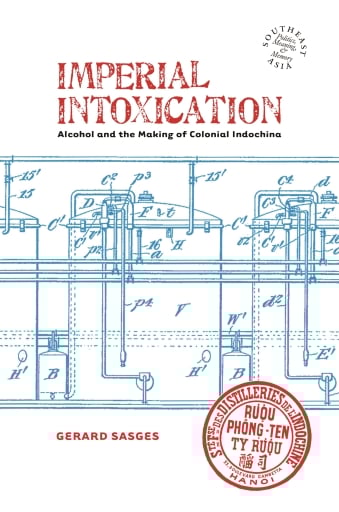
<p>Making liquor isn’t rocket science: some raw materials, a stove, and a few jury-rigged pots are all that’s really needed. So when the colonial regime in turn-of-the-century French Indochina banned homemade rice liquor, replacing it with heavily taxed, tasteless alcohol from French-owned factories, widespread clandestine distilling was the inevitable result. The state’s deeply unpopular alcohol monopoly required extensive systems of surveillance and interdiction and the creation of an unwieldy bureaucracy that consumed much of the revenue it was supposed to collect. Yet despite its heavy economic and political costs, this unproductive policy endured for more than four decades, leaving a lasting mark on Indochinese society, economy, and politics.<br><br>The alcohol monopoly in Indochina was part of larger economic and political processes unfolding across the globe. New research on fermentation and improved still design drove the capitalization and concentration of the distilling industry worldwide, while modernizing states with increasing capacities to define, tax, and police engaged in a never-ending search for revenue. Indochina’s alcohol regime thus arose from the same convergence of industrial potential and state power that produced everything from Russian vodka to blended Scotch whisky. Yet with rice liquor part of everyday life for millions of Indochinese, young and old, men and women, villagers and city-folk alike, in Indochina these global developments would be indelibly shaped by the colony’s particular geographies, histories, and people.<br><br><i>Imperial Intoxication </i>provides a unique window on Indochina between 1860 and 1939. It illuminates the contradictory mix of modern and archaic, power and impotence, civil bureaucracy and military occupation that characterized colonial rule. It highlights the role Indochinese played in shaping the monopoly, whether as reformers or factory workers, illegal distillers or the agents sent to arrest them. And it links these long-ago stories to global processes that continue to play out today.</p>
Catégories
- Langue
- English
Partager
Vous aimerez aussi
And the Sun Pursued the Moon
Gibson, Thomas
Romancing Human Rights
Ho, Tamara C.
Moments of Silence
Winichakul, Thongchai
Siam's New Detectives
Lim, Samson
The Story of Magellan and The Discovery of the Philippines
Butterworth, Hezekiah
Conquest and Pestilence in the Early Spanish Philippines
Newson, Linda A.