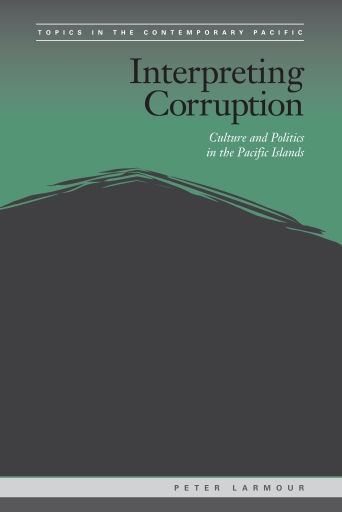
Interpreting Corruption
Par Larmour, Peter
Publié par University of Hawaii Press
English
210 pages
2012
ISBN 9780824861193
PDF
Buy at Catademic
🇺🇸
 Catademic
🇺🇸
Visiter la boutique →
Catademic
🇺🇸
Visiter la boutique →
 Bajalibros Latam
🇺🇸
Visiter la boutique →
Bajalibros Latam
🇺🇸
Visiter la boutique →
 Association of University Presses - Tienda FILUNI
🇺🇸
Visiter la boutique →
Association of University Presses - Tienda FILUNI
🇺🇸
Visiter la boutique →
 Ebooks Librería Antártica
🇨🇱
Visiter la boutique →
Ebooks Librería Antártica
🇨🇱
Visiter la boutique →
 Ebooks Agustin
🇪🇸
Visiter la boutique →
Ebooks Agustin
🇪🇸
Visiter la boutique →
 Bajalibros Argentina
🇦🇷
Visiter la boutique →
Bajalibros Argentina
🇦🇷
Visiter la boutique →
 Sanborns Ebooks
🇲🇽
Visiter la boutique →
Sanborns Ebooks
🇲🇽
Visiter la boutique →
 ebooks Libreria del GAM
🇨🇱
Visiter la boutique →
ebooks Libreria del GAM
🇨🇱
Visiter la boutique →
 Bookshop Uruguay
🇺🇾
Visiter la boutique →
Bookshop Uruguay
🇺🇾
Visiter la boutique →
 ebookskitapenas
🇬🇹
Visiter la boutique →
ebookskitapenas
🇬🇹
Visiter la boutique →
 Ebooks Yenny - El Ateneo
🇦🇷
Visiter la boutique →
Ebooks Yenny - El Ateneo
🇦🇷
Visiter la boutique →
 Crisol Ebooks
🇵🇪
Visiter la boutique →
Crisol Ebooks
🇵🇪
Visiter la boutique →
Disponible dans 12 librairies
Catademic
🇺🇸
Visiter la boutique →
Bajalibros Latam
🇺🇸
Visiter la boutique →
Association of University Presses - Tienda FILUNI
🇺🇸
Visiter la boutique →
Ebooks Librería Antártica
🇨🇱
Visiter la boutique →
Ebooks Agustin
🇪🇸
Visiter la boutique →
Bajalibros Argentina
🇦🇷
Visiter la boutique →
Sanborns Ebooks
🇲🇽
Visiter la boutique →
ebooks Libreria del GAM
🇨🇱
Visiter la boutique →
Bookshop Uruguay
🇺🇾
Visiter la boutique →
ebookskitapenas
🇬🇹
Visiter la boutique →
Ebooks Yenny - El Ateneo
🇦🇷
Visiter la boutique →
Crisol Ebooks
🇵🇪
Visiter la boutique →
À propos de ce livre
<p>Corruption is a popular topic in the Pacific Islands. Politicians are accused of it and campaign against it. Fiji’s coup leaders vowed to clean it up. Several countries have “leadership codes” designed to reduce corruption, and others have created specialized anti-corruption agencies. Donors, the World Bank, and NGOs such as Transparency International have made it an international issue. Yet there is often disagreement about what constitutes corruption and how seriously it matters. What some view as corrupt may be regarded as harmless by others. Existing laws have proved difficult to enforce and seem out of step with public opinion, which is often very suspicious of corrupt behavior among island elites. As well as talk there is silence: People fear the consequences of complaining. The dangers of anti-corruption campaigns became apparent during the “cleanup” following Fiji’s 2006 coup.<br><br>So what counts as corruption in the Pacific and what causes it? How much is really going on? How can we measure it? What types are present? Are gifts really bribes? Is “culture” an excuse for corruption? Is politics—in particular, democracy—intrinsically corrupt? In clear and concise language, this work attempts to answer these questions. The author takes a comparative approach, drawing on economics, law, political science, and anthropology, as well as literature and poetry from the region. He looks at Transparency International’s studies of National Integrity Systems and at newer research, including events since the Fiji coup.<br><br><i>Interpreting Corruption</i> is a highly accessible and approachable look at an age-old problem. Those interested in the Pacific Islands and public integrity will find it remarkably comprehensive as will students and scholars of anthropology, sociology, and political studies.</p>
Catégories
- Langue
- English
Partager