
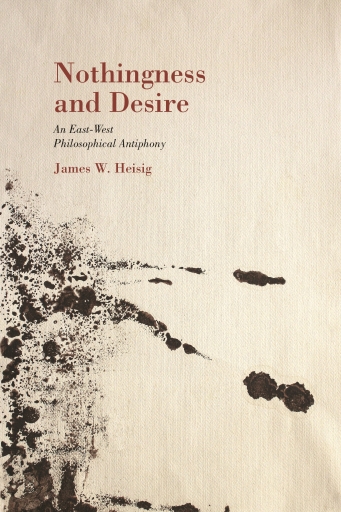
Nothingness and Desire
Par Heisig, James W.
Publié par University of Hawaii Press
English
202 pages
2013
ISBN 9780824839567
PDF
Buy at Association of University Presses - Tienda FILUNI
🇺🇸
 Catademic
🇺🇸
Visiter la boutique →
Catademic
🇺🇸
Visiter la boutique →
 Bajalibros Latam
🇺🇸
Visiter la boutique →
Bajalibros Latam
🇺🇸
Visiter la boutique →
 Association of University Presses - Tienda FILUNI
🇺🇸
Visiter la boutique →
Association of University Presses - Tienda FILUNI
🇺🇸
Visiter la boutique →
 Ebooks Librería Antártica
🇨🇱
Visiter la boutique →
Ebooks Librería Antártica
🇨🇱
Visiter la boutique →
 Ebooks Agustin
🇪🇸
Visiter la boutique →
Ebooks Agustin
🇪🇸
Visiter la boutique →
 Bajalibros Argentina
🇦🇷
Visiter la boutique →
Bajalibros Argentina
🇦🇷
Visiter la boutique →
 Sanborns Ebooks
🇲🇽
Visiter la boutique →
Sanborns Ebooks
🇲🇽
Visiter la boutique →
 ebooks Libreria del GAM
🇨🇱
Visiter la boutique →
ebooks Libreria del GAM
🇨🇱
Visiter la boutique →
 Bookshop Uruguay
🇺🇾
Visiter la boutique →
Bookshop Uruguay
🇺🇾
Visiter la boutique →
 ebookskitapenas
🇬🇹
Visiter la boutique →
ebookskitapenas
🇬🇹
Visiter la boutique →
 Ebooks Yenny - El Ateneo
🇦🇷
Visiter la boutique →
Ebooks Yenny - El Ateneo
🇦🇷
Visiter la boutique →
 Crisol Ebooks
🇵🇪
Visiter la boutique →
Crisol Ebooks
🇵🇪
Visiter la boutique →
Disponible dans 12 librairies
Catademic
🇺🇸
Visiter la boutique →
Bajalibros Latam
🇺🇸
Visiter la boutique →
Association of University Presses - Tienda FILUNI
🇺🇸
Visiter la boutique →
Ebooks Librería Antártica
🇨🇱
Visiter la boutique →
Ebooks Agustin
🇪🇸
Visiter la boutique →
Bajalibros Argentina
🇦🇷
Visiter la boutique →
Sanborns Ebooks
🇲🇽
Visiter la boutique →
ebooks Libreria del GAM
🇨🇱
Visiter la boutique →
Bookshop Uruguay
🇺🇾
Visiter la boutique →
ebookskitapenas
🇬🇹
Visiter la boutique →
Ebooks Yenny - El Ateneo
🇦🇷
Visiter la boutique →
Crisol Ebooks
🇵🇪
Visiter la boutique →
À propos de ce livre
<p>The six lectures that make up this book were delivered in March 2011 at London University’s School of Oriental and Asian Studies as the Jordan Lectures on Comparative Religion. They revolve around the intersection of two ideas, nothingness and desire, as they apply to a re-examination of the questions of self, God, morality, property, and the East-West philosophical divide.<br><br>Rather than attempt to harmonize East and West philosophies into a single chorus, Heisig undertakes what he calls a “philosophical antiphony.” Through the simple call-and-response of a few representative voices, Heisig tries to join the choir on both sides of the antiphony to relate the questions at hand to larger problems that press on the human community. He argues that as problems like the technological devastation of the natural world, the shrinking of elected governance through the expanding powers of financial institutions, and the expropriation of alternate cultures of health and education spread freely through traditional civilizations across the world, religious and philosophical responses can no longer afford to remain territorial in outlook. Although the lectures often stress the importance of practice, their principal preoccupation is with seeing the things of life more clearly. Heisig explains: <br><br>“By that I mean not just looking more closely at objects that come into my line of view from day to day, but seeing them as mirrors in which I can see myself reflected. Things do not just reveal parts of the world to me; they also tell me something of how I see what I see, and who it is that does the seeing. To listen to what things have to say to me, I need to break with the habit of thinking simply that it is I who mirror inside of myself the world outside and process what I have captured to make my way through life. Only when this habit has been broken will I be able to start seeing through the reflections, to scrape the tain off the mirror, as it were, so that it becomes a window to the things of life as they are, with only a pale reflection of myself left on the pane. Everything seen through the looking glass, myself included, becomes an image on which reality has stamped itself. This, I am persuaded, is the closest we can come to a ground for thinking reasonably and acting as true-to-life as we can.”</p>
Catégories
- Langue
- English
Partager
Vous aimerez aussi

Comentario a Ser y Tiempo de Martin Heidegger Volumen I
Jorge Eduardo Rivera C.

Platón: El Banquete o siete discursos sobre el amor
Óscar Velásquez

A vida psíquica do poder
Butler, Judith
Hermenêutica
Schmidt, Lawrence K.

Narcocapitalismo
De Sutter, Laurent
La técnica moderna
Hernández M, Luis Humberto