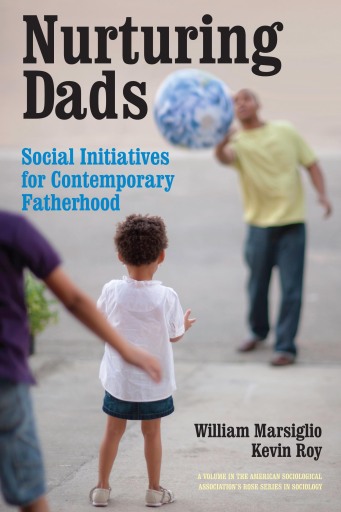
Nurturing Dads
Par Marsiglio, William, Roy, Kevin
Publié par Russell Sage Foundation
English
2012
ISBN 9781610447768
eBook
Buy at ebookstaolistic
🇺🇸
Catademic
🇺🇸
Visiter la boutique →
ebookstaolistic
🇺🇸
Visiter la boutique →
Bajalibros Latam
🇺🇸
Visiter la boutique →

RS
RSAGE
🇺🇸
Visiter la boutique →
Association of University Presses - Tienda FILUNI
🇺🇸
Visiter la boutique →

publica.la marketplace
🇦🇷
Visiter la boutique →
Ebooks Librería Antártica
🇨🇱
Visiter la boutique →

Ebooks Agustin
🇪🇸
Visiter la boutique →

Bajalibros Argentina
🇦🇷
Visiter la boutique →

Sanborns Ebooks
🇲🇽
Visiter la boutique →

ebooks Libreria del GAM
🇺🇾
Visiter la boutique →
Bookshop Uruguay
🇺🇾
Visiter la boutique →

ebookskitapenas
🇬🇹
Visiter la boutique →

Ebooks Yenny - El Ateneo
🇦🇷
Visiter la boutique →
Crisol Ebooks
🇨🇴
Visiter la boutique →
Disponible dans 15 librairies
Catademic
🇺🇸
Visiter la boutique →
ebookstaolistic
🇺🇸
Visiter la boutique →
Association of University Presses - Tienda FILUNI
🇺🇸
Visiter la boutique →
publica.la marketplace
🇦🇷
Visiter la boutique →
Ebooks Librería Antártica
🇨🇱
Visiter la boutique →
Ebooks Agustin
🇪🇸
Visiter la boutique →
Sanborns Ebooks
🇲🇽
Visiter la boutique →
ebooks Libreria del GAM
🇺🇾
Visiter la boutique →
ebookskitapenas
🇬🇹
Visiter la boutique →
Ebooks Yenny - El Ateneo
🇦🇷
Visiter la boutique →
Crisol Ebooks
🇨🇴
Visiter la boutique →
À propos de ce livre
<div>American fathers are a highly diverse group, but the breadwinning, live-in, biological dad prevails as the fatherhood ideal. Consequently, policymakers continue to emphasize marriage and residency over initiatives that might help foster healthy father-child relationships and creative co-parenting regardless of marital or residential status. In Nurturing Dads, William Marsiglio and Kevin Roy explore the ways new initiatives can address the social, cultural, and economic challenges men face in contemporary families and foster more meaningful engagement between many different kinds of fathers and their children. What makes a good father? The firsthand accounts in Nurturing Dads show that the answer to this question varies widely and in ways that counter the mainstream "provide and reside" model of fatherhood. Marsiglio and Roy document the personal experiences of more than 300 men from a wide range of socioeconomic backgrounds and diverse settings, including fathers-to-be, young adult fathers, middle-class dads, stepfathers, men with multiple children in separate families, and fathers in correctional facilities. They find that most dads express the desire to have strong, close relationships with their children and to develop the nurturing skills to maintain these bonds. But they also find that disadvantaged fathers, including young dads and those in constrained financial and personal circumstances, confront myriad structural obstacles, such as poverty, inadequate education, and poor job opportunities. Nurturing Dads asserts that society should help fathers become more committed and attentive caregivers and that federal and state agencies, work sites, grassroots advocacy groups, and the media all have roles to play. Recent efforts to introduce state-initiated paternity leave should be coupled with social programs that encourage fathers to develop unconditional commitments to children, to co-parent with mothers, to establish partnerships with their children's other caregivers, and to develop parenting skills and resources before becoming fathers via activities like volunteering and mentoring kids. Ultimately, Marsiglio and Roy argue, such combined strategies would not only change the policy landscape to promote engaged fathering but also change the cultural landscape to view nurturance as a fundamental aspect of good fathering. Care is a human experience—not just a woman's responsibility—and this core idea behind Nurturing Dads holds important implications for how society supports its families and defines manhood. The book promotes the progressive notion that fathers should provide more than financial support and, in the process, bring about a better start in life for their children. A Volume in the American Sociological Association's Rose Series in Sociology</div>
Catégories
- Langue
- English
Partager
Vous aimerez aussi
Instituciones cautivas
Augusto Varas
Coroas
Goldenberg, Mirian
Aposentadoria, Cotidiano e Espaços Urbanos: Vivências na Cidade de Florianópolis
Costa, Aline Bogoni, Soares, Dulce Helena Penna
El verbo de las culturas
Rapaille, Clotaire
Nailistas. Diseños 'nail art' para manicuras de moda
Cobo, Teresa
El guardián del fuego
Restrepo, Javier Darío