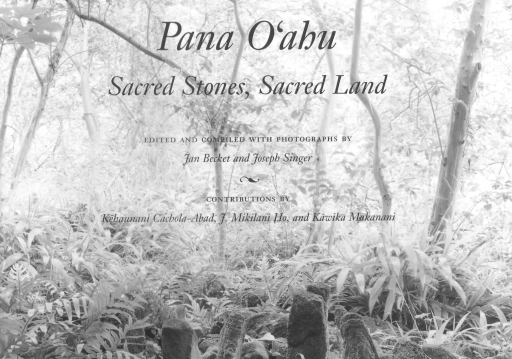
Pana O'ahu
Publié par University of Hawaii Press
English
221 pages
1999
ISBN 9780824863845
Temps de lecture estimé : 4 h 3 min
PDF
Buy at Ebooks Yenny - El Ateneo
🇦🇷
 Association of University Presses - Tienda FILUNI
🇺🇸
Visiter la boutique →
Association of University Presses - Tienda FILUNI
🇺🇸
Visiter la boutique →
 Bajalibros Argentina
🇦🇷
Visiter la boutique →
Bajalibros Argentina
🇦🇷
Visiter la boutique →
 Bajalibros Latam
🇺🇸
Visiter la boutique →
Bajalibros Latam
🇺🇸
Visiter la boutique →
 Bookshop Uruguay
🇺🇾
Visiter la boutique →
Bookshop Uruguay
🇺🇾
Visiter la boutique →
 Catademic
🇺🇸
Visiter la boutique →
Catademic
🇺🇸
Visiter la boutique →
Disponible dans 13 librairies
Association of University Presses - Tienda FILUNI
🇺🇸
Visiter la boutique →
Bajalibros Argentina
🇦🇷
Visiter la boutique →
Bajalibros Latam
🇺🇸
Visiter la boutique →
Bookshop Uruguay
🇺🇾
Visiter la boutique →
Catademic
🇺🇸
Visiter la boutique →








À propos de ce livre
Few regions of the United States can equal the high concentration of endangered ancient cultural sites found in Hawaii. Built by the indigenous people of the Islands, the sites range in age from two thousand to two hundred years old and in size and extent from large temple complexes serving the highest order of chiefs to modest family shrines. Today, many of these structures are threatened by their proximity to urban development. Sites are frequently vandalized or, worse, bulldozed to make way for hotels, golf courses, marinas, and other projects.
The sixty heiau photographed and described in this volume are all located on Oahu, the island that has experienced by far the most development over the last two hundred years. These captivating images provide a compelling argument for the preservation of Hawaiian sacred places. The modest sites of the maka‘ainana (commoners) - small fishing, agricultural, craft, and family shrines - are given particular attention because they are often difficult to recognize and prone to vandalism and neglect. Also included are the portraits of twenty-eight Hawaiians who shared their knowledge with archaeologist J. Gilbert McAllister during his survey of Oahu in the 1930s. Without their contribution, the names and histories of many of the heiau would have been lost. The introductory text provides important contextual information about the definition and function of heiau, the history of the abolition of traditional Hawaiian religion, preservation issues, and guidelines for visiting heiau.
With contributions by Kehaunani Cachola-Abad, J. Mikilani Ho, and Kawika Makanani.
Disponibilité
Pana O'ahu est disponible en PDF dans 13 librairies en ligne. Parmi les librairies qui le proposent : Association of University Presses - Tienda FILUNI, Bajalibros Argentina, Bajalibros Latam.
Catégories
- Langue
- English
Partager
Questions fréquentes
- Dans quels formats Pana O'ahu est-il disponible ?
- Pana O'ahu est disponible en PDF dans 13 librairies en ligne.
- Où puis-je acheter Pana O'ahu ?
- Vous pouvez acheter Pana O'ahu sur Association of University Presses - Tienda FILUNI, Bajalibros Argentina, Bajalibros Latam. Comparez toutes les options dans la liste de cette page.
- Combien de temps faut-il pour lire Pana O'ahu ?
- À un rythme de lecture moyen, Pana O'ahu se lit en environ 4 h 3 min (221 pages).
Notes et avis
Pas encore de note. Soyez le premier à donner votre avis sur ce livre.
Se connecter pour noter ce livre et donner votre avis.