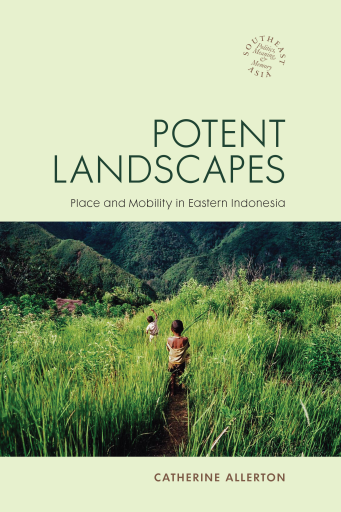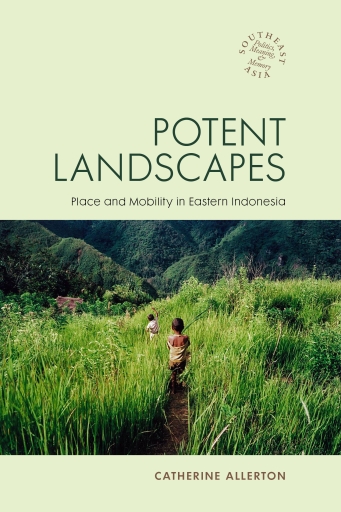
Potent Landscapes
Publié par University of Hawaii Press
English
242 pages
2013
ISBN 9780824837990
Temps de lecture estimé : 4 h 26 min
PDF
Buy at ebookskitapenas
🇬🇹
 Association of University Presses - Tienda FILUNI
🇺🇸
Visiter la boutique →
Association of University Presses - Tienda FILUNI
🇺🇸
Visiter la boutique →
 Bajalibros Argentina
🇦🇷
Visiter la boutique →
Bajalibros Argentina
🇦🇷
Visiter la boutique →
 Bajalibros Latam
🇺🇸
Visiter la boutique →
Bajalibros Latam
🇺🇸
Visiter la boutique →
 Bookshop Uruguay
🇺🇾
Visiter la boutique →
Bookshop Uruguay
🇺🇾
Visiter la boutique →
 Catademic
🇺🇸
Visiter la boutique →
Catademic
🇺🇸
Visiter la boutique →
Disponible dans 13 librairies
Association of University Presses - Tienda FILUNI
🇺🇸
Visiter la boutique →
Bajalibros Argentina
🇦🇷
Visiter la boutique →
Bajalibros Latam
🇺🇸
Visiter la boutique →
Bookshop Uruguay
🇺🇾
Visiter la boutique →
Catademic
🇺🇸
Visiter la boutique →








À propos de ce livre
The Manggarai people of eastern Indonesia believe their land can talk, that its appetite demands sacrificial ritual, and that its energy can kill as well as nurture. They tell their children to avoid certain streams and fields and view unusual environmental events as omens of misfortune. Yet, far from being preoccupied with the dangers of this animate landscape, Manggarai people strive to make places and pathways “lively,” re-traveling routes between houses and villages and highlighting the advantages of mobility. Through everyday and ritual activities that emphasize “liveliness,” the land gains a further potency: the power to evoke memories of birth, death, and marriage, to influence human health and fertility.
Potent Landscapes is an ethnographic investigation of the power of the landscape and the implications of that power for human needs, behavior, and emotions. Based on two years of fieldwork in rural Flores, the book situates Manggarai place-making and mobility within the larger contexts of diverse human-environment interactions as well as adat revival in postcolonial Indonesia. Although it focuses on social life in one region of eastern Indonesia, the work engages with broader theoretical discussions of landscape, travel, materiality, cultural politics, kinship, and animism.
Written in a clear and accessible style, Potent Landscapes will appeal to students and specialists of Southeast Asia as well as to those interested in the comparative anthropological study of place and environment. The analysis moves out from rooms and houses in a series of concentric circles, outlining at each successive point the broader implications of Manggarai place- and path-making. This gradual expansion of scale allows the work to build a subtle, cumulative picture of the potent landscapes within which Manggarai people raise families, forge alliances, plant crops, build houses, and engage with local state actors. Landscapes are significant, the author argues, not only as sacred or mythic realms, or as contexts for the imposition of colonial space; they are also significant as vernacular contexts shaped by daily practices. The book analyzes the power of a collective landscape shaped both by the Indonesian state’s development policies and by responses to religious change.
Disponibilité
Potent Landscapes est disponible en PDF dans 13 librairies en ligne. Parmi les librairies qui le proposent : Association of University Presses - Tienda FILUNI, Bajalibros Argentina, Bajalibros Latam.
- Langue
- English
Partager
Questions fréquentes
- Dans quels formats Potent Landscapes est-il disponible ?
- Potent Landscapes est disponible en PDF dans 13 librairies en ligne.
- Où puis-je acheter Potent Landscapes ?
- Vous pouvez acheter Potent Landscapes sur Association of University Presses - Tienda FILUNI, Bajalibros Argentina, Bajalibros Latam. Comparez toutes les options dans la liste de cette page.
- Combien de temps faut-il pour lire Potent Landscapes ?
- À un rythme de lecture moyen, Potent Landscapes se lit en environ 4 h 26 min (242 pages).
Notes et avis
Pas encore de note. Soyez le premier à donner votre avis sur ce livre.
Se connecter pour noter ce livre et donner votre avis.