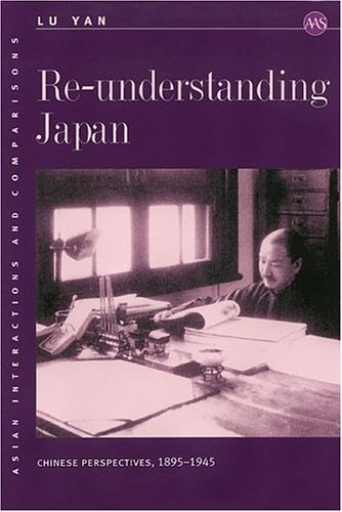
Re-understanding Japan
Par Yan, Lu
Publié par University of Hawaii Press
English
360 pages
2004
ISBN 9780824873967
PDF
Buy at Catademic
🇺🇸
 Catademic
🇺🇸
Visiter la boutique →
Catademic
🇺🇸
Visiter la boutique →
 Bajalibros Latam
🇺🇸
Visiter la boutique →
Bajalibros Latam
🇺🇸
Visiter la boutique →
 Association of University Presses - Tienda FILUNI
🇺🇸
Visiter la boutique →
Association of University Presses - Tienda FILUNI
🇺🇸
Visiter la boutique →
 Ebooks Librería Antártica
🇨🇱
Visiter la boutique →
Ebooks Librería Antártica
🇨🇱
Visiter la boutique →
 Ebooks Agustin
🇪🇸
Visiter la boutique →
Ebooks Agustin
🇪🇸
Visiter la boutique →
 Bajalibros Argentina
🇦🇷
Visiter la boutique →
Bajalibros Argentina
🇦🇷
Visiter la boutique →
 Sanborns Ebooks
🇲🇽
Visiter la boutique →
Sanborns Ebooks
🇲🇽
Visiter la boutique →
 ebooks Libreria del GAM
🇨🇱
Visiter la boutique →
ebooks Libreria del GAM
🇨🇱
Visiter la boutique →
 Bookshop Uruguay
🇺🇾
Visiter la boutique →
Bookshop Uruguay
🇺🇾
Visiter la boutique →
 ebookskitapenas
🇬🇹
Visiter la boutique →
ebookskitapenas
🇬🇹
Visiter la boutique →
 Ebooks Yenny - El Ateneo
🇦🇷
Visiter la boutique →
Ebooks Yenny - El Ateneo
🇦🇷
Visiter la boutique →
 Crisol Ebooks
🇵🇪
Visiter la boutique →
Crisol Ebooks
🇵🇪
Visiter la boutique →
Disponible dans 12 librairies
Catademic
🇺🇸
Visiter la boutique →
Bajalibros Latam
🇺🇸
Visiter la boutique →
Association of University Presses - Tienda FILUNI
🇺🇸
Visiter la boutique →
Ebooks Librería Antártica
🇨🇱
Visiter la boutique →
Ebooks Agustin
🇪🇸
Visiter la boutique →
Bajalibros Argentina
🇦🇷
Visiter la boutique →
Sanborns Ebooks
🇲🇽
Visiter la boutique →
ebooks Libreria del GAM
🇨🇱
Visiter la boutique →
Bookshop Uruguay
🇺🇾
Visiter la boutique →
ebookskitapenas
🇬🇹
Visiter la boutique →
Ebooks Yenny - El Ateneo
🇦🇷
Visiter la boutique →
Crisol Ebooks
🇵🇪
Visiter la boutique →
À propos de ce livre
<p>To many Chinese, the rise and expansion of Japanese power during the years between the two Sino-Japanese wars (1895–1945) presented a paradox: With its successful modernization, Japan became a model to be emulated; yet as the country’s imperial ambitions on the continent grew, it posed an ever-increasing threat. Drawing on an extraordinary array of source materials, Lu Yan shows that this attraction to and apprehension of Japan prompted the Chinese to engage in a variety of long-term relationships with the Japanese. <br><br><i>Re-understanding Japan</i> examines transnational and transcultural interactions between China and Japan during those five dramatic and tragic decades at the intimate level of personal lives and behavior. At the center of Lu’s inquiry are four diverse yet significant case studies: military strategist Jiang Baili, literary critic and essayist Zhou Zuoren, Guomindang leader Dai Jitao, and romantic poet turned Communist Guo Moruo. In their public and private lives, these influential Chinese formed lasting ties with Japan and the Japanese. While their writings reached the Chinese public through the print mass media and served to enhance popular understanding of Japan and its culture, their activities in political, cultural, and diplomatic affairs paralleledsignificant turns in Sino-Japanese relations. <br><br>Based on archival documents, personal memoirs, correspondence, interviews, and contemporary literary works, <i>Re-understanding Japan</i> delineates diverse approaches in Chinese efforts to engage Japan in China’s modern reforms.</p>
Catégories
- Langue
- English
Partager