
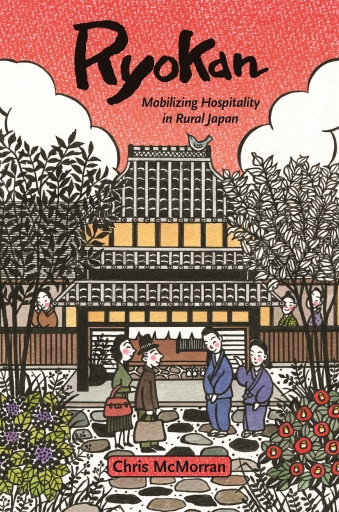
Ryokan
Par McMorran, Chris
Publié par University of Hawaii Press
Disponible dans 13 librairies
 Association of University Presses - Tienda FILUNI
🇺🇸
Visiter la boutique →
Association of University Presses - Tienda FILUNI
🇺🇸
Visiter la boutique →
 Bajalibros Argentina
🇦🇷
Visiter la boutique →
Bajalibros Argentina
🇦🇷
Visiter la boutique →
 Bajalibros Latam
🇺🇸
Visiter la boutique →
Bajalibros Latam
🇺🇸
Visiter la boutique →
 Bookshop Uruguay
🇺🇾
Visiter la boutique →
Bookshop Uruguay
🇺🇾
Visiter la boutique →
 Catademic
🇺🇸
Visiter la boutique →
Catademic
🇺🇸
Visiter la boutique →








À propos de ce livre
Disponibilité
Ryokan est disponible en PDF dans 13 librairies en ligne. Parmi les librairies qui le proposent : Association of University Presses - Tienda FILUNI, Bajalibros Argentina, Bajalibros Latam.
- Langue
- English
Questions fréquentes
- Dans quels formats Ryokan est-il disponible ?
- Ryokan est disponible en PDF dans 13 librairies en ligne.
- Où puis-je acheter Ryokan ?
- Vous pouvez acheter Ryokan sur Association of University Presses - Tienda FILUNI, Bajalibros Argentina, Bajalibros Latam. Comparez toutes les options dans la liste de cette page.
- Combien de temps faut-il pour lire Ryokan ?
- À un rythme de lecture moyen, Ryokan se lit en environ 4 h 8 min (225 pages).
Notes et avis
Pas encore de note. Soyez le premier à donner votre avis sur ce livre.
Se connecter pour noter ce livre et donner votre avis.
Vous aimerez aussi

Debates contemporáneos sobre el turismo Tomo VII
Pemberthy G, Luz Stella, Larrea David, Luisa, Posada Hincapié, Luisa Fernanda, Troncoso, Claudia, Arzeno, Mariana, Morales-Betancourt, Diana, Leguizamón, Manuel

Del fracaso al éxito
Crosby, Arturo, Figuerola Palomo, Manuel, Grande Ibarra, Julio, Solsona Monzonís, Javier, C. López, Enric, Sandoval Quintero, Mayra Antonieta, Pedro Bueno, Aurora, Torres Riesco, Juan Carlos, Starc-Peceny, Urška, Montecinos Torres, Antonio, Abreu Ortiz, Sandra, Harwood, Tracy, Cardoso, Lucília, Araújo Vila, Noelia, Goretti Feijó de Almeida, Giovana

Debates contemporáneos sobre el turismo. Tomo VI
Álvarez Meneses, Tannia, Castellanos Ramírez, Leonardo, Chaparro Mendivelso, Jeffer, Escobar, Kelly, Galindo, Silvia Leonor, González Domínguez, Irais, Guerra, Yorledis, Iriarte, Luz Adriana, Martínez, Lina María, Ola, Manuel Eduardo

Planejamento estratégico em meios de hospedagem
Cardoso, Adriana

Decoración y ambientación en habitaciones y zonas comunes en alojamientos. UF0047.
Eguzkiñe Urreta Okeranza
Turismo e Ecologia no Direito Brasileiro
Custódio, Maraluce Maria