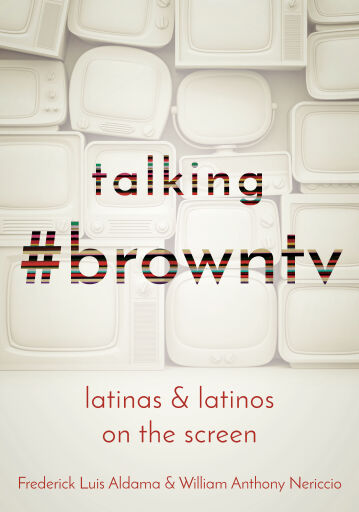
Talking #browntv
Par Aldama, Frederick Luis, Nericcio, William Anthony
Publié par Ohio State University Press
English
2019
ISBN 9780814277447
eBook
Buy at Catademic
🇺🇸
Catademic
🇺🇸
Visiter la boutique →
Bajalibros Latam
🇺🇸
Visiter la boutique →
Association of University Presses - Tienda FILUNI
🇺🇸
Visiter la boutique →

Ebooks Librería Antártica
🇨🇱
Visiter la boutique →
Ebooks Agustin
🇪🇸
Visiter la boutique →
Bajalibros Argentina
🇦🇷
Visiter la boutique →

Sanborns Ebooks
🇲🇽
Visiter la boutique →
ebooks Libreria del GAM
🇨🇱
Visiter la boutique →
Bookshop Uruguay
🇺🇾
Visiter la boutique →

ebookskitapenas
🇬🇹
Visiter la boutique →
Ebooks Yenny - El Ateneo
🇦🇷
Visiter la boutique →
Crisol Ebooks
🇵🇪
Visiter la boutique →
Disponible dans 12 librairies
Catademic
🇺🇸
Visiter la boutique →

Association of University Presses - Tienda FILUNI
🇺🇸
Visiter la boutique →
Ebooks Librería Antártica
🇨🇱
Visiter la boutique →
Ebooks Agustin
🇪🇸
Visiter la boutique →
Sanborns Ebooks
🇲🇽
Visiter la boutique →
ebooks Libreria del GAM
🇨🇱
Visiter la boutique →
ebookskitapenas
🇬🇹
Visiter la boutique →
Ebooks Yenny - El Ateneo
🇦🇷
Visiter la boutique →
Crisol Ebooks
🇵🇪
Visiter la boutique →
À propos de ce livre
<div>Like two friends sitting down in front of the television together, in <i>Talking #browntv</i><i>,</i> Frederick Luis Aldama and William Anthony Nericcio dialogue about the representations of Latina/os in American television and film from the twentieth century to the present day. One part conversation, one part critique, one part visual cultural studies, and one part rant against the culture industry profiting off warped caricatures of Latina/o subjectivities, Aldama and Nericcio analyze the ways in which Latinx performers have been mediated—with varying degrees of complexity—on the American screen. A comprehensive review of the history of Mexicans, Mexican Americans, Hispanics, Chicana/os, Latina/os, and Latinx performers in television and film, <i>Talking #browntv</i> boldly interrogates one of the largest paradoxes in the history of American television: Why are there so few Latina/os on television, and why, when they do appear, are they so often narcos, maids, strumpets, tarts, flakes, and losers?<br> <br> From the subversive critiques embedded in well-loved children’s characters like Speedy Gonzalez to the perpetuation of racial stereotypes in modern-era pornography, from Eva Longoria as ethnic mannequin to J-Lo flipping the sexy Latina music video on its head in “I Luh Ya Papi,” and with more than 150 full-color images, Aldama and Nericcio seek to expose the underlying causes as to why Latina/os constitute only 2 percent of mainstream cultural production when they’re the majority minority in the US. In a moment when anti-Mexican and anti-immigrant rhetoric oozes from TV sets and medias platform, <i>Talking #browntv </i>emerges as a bold antidote, an eloquent rejoinder, and a thoughtful meditation on Latina/os on the American screen and in America today.</div>
- Langue
- English
Partager