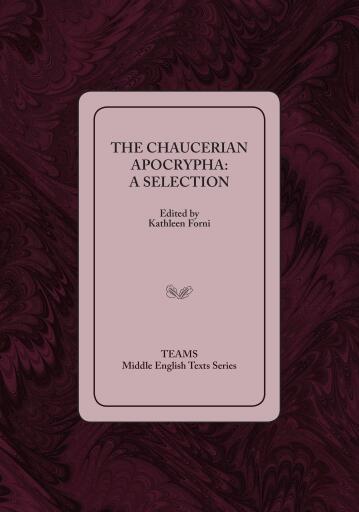
The Chaucerian Apocrypha
Publié par Medieval Institute Publications
English
185 pages
2005
ISBN 9781580443999
PDF
Buy at Bajalibros Latam
🇺🇸
 Catademic
🇺🇸
Visiter la boutique →
Catademic
🇺🇸
Visiter la boutique →
 Bajalibros Latam
🇺🇸
Visiter la boutique →
Bajalibros Latam
🇺🇸
Visiter la boutique →
 LORANCHBOOKSTORE
🇺🇸
Visiter la boutique →
LORANCHBOOKSTORE
🇺🇸
Visiter la boutique →
 Ebooks Librería Carlos Fuentes
🇲🇽
Visiter la boutique →
Ebooks Librería Carlos Fuentes
🇲🇽
Visiter la boutique →
 ebooks libreria española
🇪🇨
Visiter la boutique →
ebooks libreria española
🇪🇨
Visiter la boutique →
 Bajalibros Argentina
🇦🇷
Visiter la boutique →
Bajalibros Argentina
🇦🇷
Visiter la boutique →
 Alpha Books
🇨🇴
Visiter la boutique →
Alpha Books
🇨🇴
Visiter la boutique →
 Sanborns Ebooks
🇲🇽
Visiter la boutique →
Sanborns Ebooks
🇲🇽
Visiter la boutique →
 ebooks Libreria del GAM
🇨🇱
Visiter la boutique →
ebooks Libreria del GAM
🇨🇱
Visiter la boutique →
 Bookshop Uruguay
🇺🇾
Visiter la boutique →
Bookshop Uruguay
🇺🇾
Visiter la boutique →
 Ebooks Yenny - El Ateneo
🇦🇷
Visiter la boutique →
Ebooks Yenny - El Ateneo
🇦🇷
Visiter la boutique →
 Crisol Ebooks
🇵🇪
Visiter la boutique →
Crisol Ebooks
🇵🇪
Visiter la boutique →
Disponible dans 12 librairies
Catademic
🇺🇸
Visiter la boutique →
Bajalibros Latam
🇺🇸
Visiter la boutique →
LORANCHBOOKSTORE
🇺🇸
Visiter la boutique →
Ebooks Librería Carlos Fuentes
🇲🇽
Visiter la boutique →
ebooks libreria española
🇪🇨
Visiter la boutique →
Bajalibros Argentina
🇦🇷
Visiter la boutique →
Alpha Books
🇨🇴
Visiter la boutique →
Sanborns Ebooks
🇲🇽
Visiter la boutique →
ebooks Libreria del GAM
🇨🇱
Visiter la boutique →
Bookshop Uruguay
🇺🇾
Visiter la boutique →
Ebooks Yenny - El Ateneo
🇦🇷
Visiter la boutique →
Crisol Ebooks
🇵🇪
Visiter la boutique →
À propos de ce livre
The poems in this volume were prized and preserved because of their association with Chaucer's name and have been, paradoxically, almost entirely ignored by modern readers for the same reason. Many of these pieces are worthy of study, not only in the context of Chaucerian reception, but also as specimens of the kinds of vernacular poetry that circulated in late medieval manuscripts and which remained in print, largely by the accidental virtue of their association with Chaucer, throughout the Renaissance and well into the nineteenth century. The various genres represented in this sampler (the dream vision, good counsel, female panegyric, mass parody, proverbial wisdom, lover's dialogue, prochecy, advice to princes, elegiac complaint, courtly parody, and anti-feminist satire) attest to the diversity of late medieval literary tastes and to the flexibility of the courtly idiom. In the sixteenth century both Chaucer's poetry and the diverse works with which it circulated appear to have continued to have been valued for their perceived courtly qualities. Chaucer's early scribal and print editors also appear to have prized his sphere of influence (attested to by imitation, continuation, and emendation) and his adaptability to contemporary social and political needs.
- Langue
- English
Partager