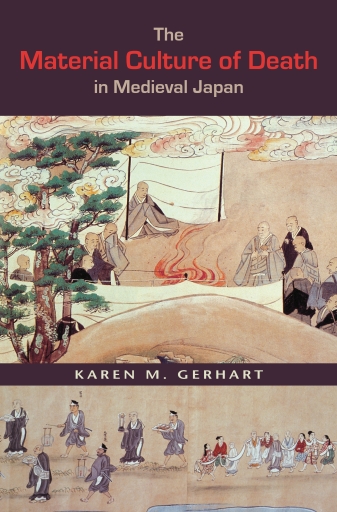
The Material Culture of Death in Medieval Japan
Publié par University of Hawaii Press
English
286 pages
2009
ISBN 9780824837556
Temps de lecture estimé : 5 h 15 min
PDF
Buy at Ebooks Yenny - El Ateneo
🇦🇷
 Association of University Presses - Tienda FILUNI
🇺🇸
Visiter la boutique →
Association of University Presses - Tienda FILUNI
🇺🇸
Visiter la boutique →
 Bajalibros Argentina
🇦🇷
Visiter la boutique →
Bajalibros Argentina
🇦🇷
Visiter la boutique →
 Bajalibros Latam
🇺🇸
Visiter la boutique →
Bajalibros Latam
🇺🇸
Visiter la boutique →
 Bookshop Uruguay
🇺🇾
Visiter la boutique →
Bookshop Uruguay
🇺🇾
Visiter la boutique →
 Catademic
🇺🇸
Visiter la boutique →
Catademic
🇺🇸
Visiter la boutique →
Disponible dans 13 librairies
Association of University Presses - Tienda FILUNI
🇺🇸
Visiter la boutique →
Bajalibros Argentina
🇦🇷
Visiter la boutique →
Bajalibros Latam
🇺🇸
Visiter la boutique →
Bookshop Uruguay
🇺🇾
Visiter la boutique →
Catademic
🇺🇸
Visiter la boutique →








À propos de ce livre
This study is the first in the English language to explore the ways medieval Japanese sought to overcome their sense of powerlessness over death. By attending to both religious practice and ritual objects used in funerals in the fourteenth and fifteenth centuries, it seeks to provide a new understanding of the relationship between the two. Karen Gerhart looks at how these special objects and rituals functioned by analyzing case studies culled from written records, diaries, and illustrated handscrolls, and by examining surviving funerary structures and painted and sculpted images.
The work is divided into two parts, beginning with compelling depictions of funerary and memorial rites of several members of the aristocracy and military elite. The second part addresses the material culture of death and analyzes objects meant to sequester the dead from the living: screens, shrouds, coffins, carriages, wooden fences. This is followed by an examination of implements (banners, canopies, censers, musical instruments, offering vessels) used in memorial rituals. The final chapter discusses the various types of and uses for portraits of the deceased, focusing on the manner of their display, the patrons who commissioned them, and the types of rituals performed in front of them. Gerhart delineates the distinction between objects created for a single funeral—and meant for use in close proximity to the body, such as coffins—and those, such as banners, intended for use in multiple funerals and other Buddhist services.
Richly detailed and generously illustrated, Gerhart introduces a new perspective on objects typically either overlooked by scholars or valued primarily for their artistic qualities. By placing them in the context of ritual, visual, and material culture, she reveals how rituals and ritual objects together helped to comfort the living and improve the deceased’s situation in the afterlife as well as to guide and cement societal norms of class and gender. Not only does her book make a significant contribution in the impressive amount of new information that it introduces, it also makes an important theoretical contribution as well in its interweaving of the interests and approaches of the art historian and the historian of religion. By directly engaging and challenging methodologies relevant to ritual studies, material culture, and art history, it changes once and for all our way of thinking about the visual and religious culture of premodern Japan.
Disponibilité
The Material Culture of Death in Medieval Japan est disponible en PDF dans 13 librairies en ligne. Parmi les librairies qui le proposent : Association of University Presses - Tienda FILUNI, Bajalibros Argentina, Bajalibros Latam.
Catégories
- Langue
- English
Partager
Questions fréquentes
- Dans quels formats The Material Culture of Death in Medieval Japan est-il disponible ?
- The Material Culture of Death in Medieval Japan est disponible en PDF dans 13 librairies en ligne.
- Où puis-je acheter The Material Culture of Death in Medieval Japan ?
- Vous pouvez acheter The Material Culture of Death in Medieval Japan sur Association of University Presses - Tienda FILUNI, Bajalibros Argentina, Bajalibros Latam. Comparez toutes les options dans la liste de cette page.
- Combien de temps faut-il pour lire The Material Culture of Death in Medieval Japan ?
- À un rythme de lecture moyen, The Material Culture of Death in Medieval Japan se lit en environ 5 h 15 min (286 pages).
Notes et avis
Pas encore de note. Soyez le premier à donner votre avis sur ce livre.
Se connecter pour noter ce livre et donner votre avis.