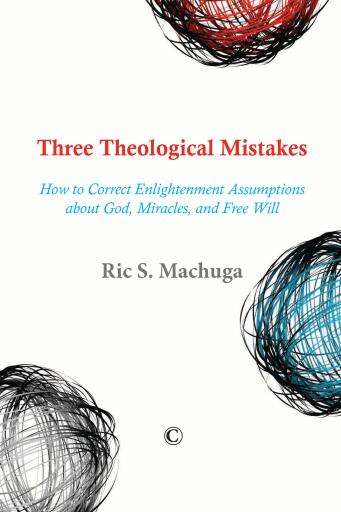
Three Theological Mistakes
Par Machuga, Ric S
Publié par James Clarke & Co
English
2015
ISBN 9780227904626
eBook
Buy at Bajalibros Latam
🇺🇸
 Catademic
🇺🇸
Visiter la boutique →
Catademic
🇺🇸
Visiter la boutique →
 Bajalibros Latam
🇺🇸
Visiter la boutique →
Bajalibros Latam
🇺🇸
Visiter la boutique →
 LORANCHBOOKSTORE
🇺🇸
Visiter la boutique →
LORANCHBOOKSTORE
🇺🇸
Visiter la boutique →
 Ebooks Librería Carlos Fuentes
🇲🇽
Visiter la boutique →
Ebooks Librería Carlos Fuentes
🇲🇽
Visiter la boutique →
 Bajalibros Argentina
🇦🇷
Visiter la boutique →
Bajalibros Argentina
🇦🇷
Visiter la boutique →
 Alpha Books
🇨🇴
Visiter la boutique →
Alpha Books
🇨🇴
Visiter la boutique →
 Sanborns Ebooks
🇲🇽
Visiter la boutique →
Sanborns Ebooks
🇲🇽
Visiter la boutique →
 ebooks Libreria del GAM
🇨🇱
Visiter la boutique →
ebooks Libreria del GAM
🇨🇱
Visiter la boutique →
 Bookshop Uruguay
🇺🇾
Visiter la boutique →
Bookshop Uruguay
🇺🇾
Visiter la boutique →
 Ebooks Yenny - El Ateneo
🇦🇷
Visiter la boutique →
Ebooks Yenny - El Ateneo
🇦🇷
Visiter la boutique →
 Crisol Ebooks
🇵🇪
Visiter la boutique →
Crisol Ebooks
🇵🇪
Visiter la boutique →
Disponible dans 11 librairies
Catademic
🇺🇸
Visiter la boutique →
Bajalibros Latam
🇺🇸
Visiter la boutique →
LORANCHBOOKSTORE
🇺🇸
Visiter la boutique →
Ebooks Librería Carlos Fuentes
🇲🇽
Visiter la boutique →
Bajalibros Argentina
🇦🇷
Visiter la boutique →
Alpha Books
🇨🇴
Visiter la boutique →
Sanborns Ebooks
🇲🇽
Visiter la boutique →
ebooks Libreria del GAM
🇨🇱
Visiter la boutique →
Bookshop Uruguay
🇺🇾
Visiter la boutique →
Ebooks Yenny - El Ateneo
🇦🇷
Visiter la boutique →
Crisol Ebooks
🇵🇪
Visiter la boutique →
À propos de ce livre
Is the existence of God a matter of faith or knowledge? Does God sometimes act miraculously or are there physical causes for everything? Is morality absolute or relative? Are humans truly free or does God's sovereignty determine everything? Whenbad things happen, is God the cause or are they the fault of humans? Too frequently Christians answer these questions with a Yes to one side and a No to the other side. Thomas Aquinas and Karl Barth answer Yes to both. Following their model, Machuga defends a third way which transcends the Enlightenment dichotomies of fideism vs. rationalism, supernaturalism vs. naturalism, relativism vs. absolutism, free will vs. predestination, and God's justice vs. his mercy. Machuga begins by showing how these false dichotomies grew out of the Enlightenment assumptions of mechanism, universal quantification, and mono-causation. He then corrects these demonstrably dubious assumptions by articulating a theory of dual-causation. The result is a thoroughly biblical understanding of God, miracles, and free will that can withstand the contemporary criticisms of both science and philosophy.
Catégories
- Langue
- English
Partager