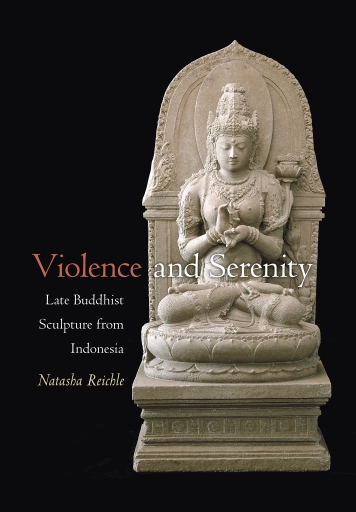
Violence and Serenity
Par Reichle, Natasha
Publié par University of Hawaii Press
English
305 pages
2007
ISBN 9780824865474
PDF
Buy at Bajalibros Latam
🇺🇸
 Catademic
🇺🇸
Visiter la boutique →
Catademic
🇺🇸
Visiter la boutique →
 Bajalibros Latam
🇺🇸
Visiter la boutique →
Bajalibros Latam
🇺🇸
Visiter la boutique →
 Association of University Presses - Tienda FILUNI
🇺🇸
Visiter la boutique →
Association of University Presses - Tienda FILUNI
🇺🇸
Visiter la boutique →
 Ebooks Librería Antártica
🇨🇱
Visiter la boutique →
Ebooks Librería Antártica
🇨🇱
Visiter la boutique →
 Ebooks Agustin
🇪🇸
Visiter la boutique →
Ebooks Agustin
🇪🇸
Visiter la boutique →
 Bajalibros Argentina
🇦🇷
Visiter la boutique →
Bajalibros Argentina
🇦🇷
Visiter la boutique →
 Sanborns Ebooks
🇲🇽
Visiter la boutique →
Sanborns Ebooks
🇲🇽
Visiter la boutique →
 ebooks Libreria del GAM
🇨🇱
Visiter la boutique →
ebooks Libreria del GAM
🇨🇱
Visiter la boutique →
 Bookshop Uruguay
🇺🇾
Visiter la boutique →
Bookshop Uruguay
🇺🇾
Visiter la boutique →
 ebookskitapenas
🇬🇹
Visiter la boutique →
ebookskitapenas
🇬🇹
Visiter la boutique →
 Ebooks Yenny - El Ateneo
🇦🇷
Visiter la boutique →
Ebooks Yenny - El Ateneo
🇦🇷
Visiter la boutique →
 Crisol Ebooks
🇵🇪
Visiter la boutique →
Crisol Ebooks
🇵🇪
Visiter la boutique →
Disponible dans 12 librairies
Catademic
🇺🇸
Visiter la boutique →
Bajalibros Latam
🇺🇸
Visiter la boutique →
Association of University Presses - Tienda FILUNI
🇺🇸
Visiter la boutique →
Ebooks Librería Antártica
🇨🇱
Visiter la boutique →
Ebooks Agustin
🇪🇸
Visiter la boutique →
Bajalibros Argentina
🇦🇷
Visiter la boutique →
Sanborns Ebooks
🇲🇽
Visiter la boutique →
ebooks Libreria del GAM
🇨🇱
Visiter la boutique →
Bookshop Uruguay
🇺🇾
Visiter la boutique →
ebookskitapenas
🇬🇹
Visiter la boutique →
Ebooks Yenny - El Ateneo
🇦🇷
Visiter la boutique →
Crisol Ebooks
🇵🇪
Visiter la boutique →
À propos de ce livre
<p>The mention of Buddhism in Indonesia calls to mind for many people the Central Javanese monument of Borobudur, one of the largest Buddhist monuments in the world and the subject of extensive scholarly scrutiny. The neglect of scholarship on Buddhist art from later periods might lead one to assume that after the tenth century Buddhism had been completely eclipsed by the predominantly Hindu Eastern Javanese dynasties. Yet, as the works discussed here illustrate, extraordinary Buddhist images were still being produced as late as the fourteenth century. <i>Violence and Serenity</i> offers a close examination of some of the impressive works from East Java and Sumatra and explores their political and religious roles.<br><br>The number of clearly identifiable Buddhist works from the Singasari and Majapahit dynasties (1222–ca. 1520) is limited, yet existing examples are impressive. They demonstrate a remarkable level of craftsmanship and are exceptionally expressive, exhibiting a range of emotions from the ferocious to the serene. Following a brief discussion of the early history of Buddhism in Indonesia, Natasha Reichle focuses each chapter on a specific statue or group of statues and considers the larger issues evoked by the images. Through a rarely examined depiction of the last Singasari king, she explores the nature of religion in Java in the late thirteenth century and what we know about tantric practices and the syncretism of Hinduism and Buddhism. She reassesses the question of portraiture in ancient Javanese art while contemplating the famous Prajñāpāramitā from Singasari. Notions of kingship are discussed in light of a number of statues depicting the Buddhist deity Amoghapāśa and his attendants and the meanings of the Amoghapāśa <i>maṇḍala</i>. The final chapter examines the origins and significance of one of Indonesia’s most spectacular sculptures, a four-meter-high Buddhist <i>bhairava</i> (demon) discovered in West Sumatra.</p>
Catégories
- Langue
- English
Partager