
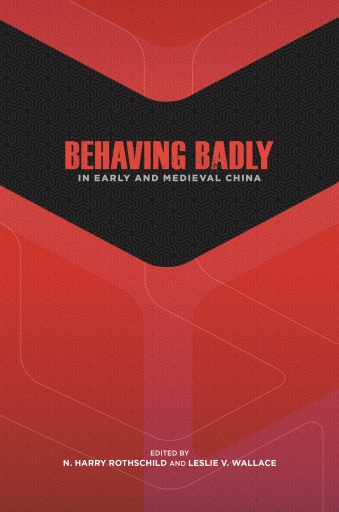
Behaving Badly in Early and Medieval China
Pubblicato da University of Hawaii Press
Disponibile in 13 librerie
 Association of University Presses - Tienda FILUNI
🇺🇸
Visita il negozio →
Association of University Presses - Tienda FILUNI
🇺🇸
Visita il negozio →
 Bajalibros Argentina
🇦🇷
Visita il negozio →
Bajalibros Argentina
🇦🇷
Visita il negozio →
 Bajalibros Latam
🇺🇸
Visita il negozio →
Bajalibros Latam
🇺🇸
Visita il negozio →
 Bookshop Uruguay
🇺🇾
Visita il negozio →
Bookshop Uruguay
🇺🇾
Visita il negozio →
 Catademic
🇺🇸
Visita il negozio →
Catademic
🇺🇸
Visita il negozio →








Informazioni su questo libro
Disponibilità
Behaving Badly in Early and Medieval China è disponibile come eBook in 13 librerie online. Tra le librerie che lo vendono ci sono Association of University Presses - Tienda FILUNI, Bajalibros Argentina, Bajalibros Latam.
Categorie
- Lingua
- English
Domande frequenti
- In quali formati è disponibile Behaving Badly in Early and Medieval China?
- Behaving Badly in Early and Medieval China è disponibile come eBook in 13 librerie online.
- Dove posso comprare Behaving Badly in Early and Medieval China?
- Puoi comprare Behaving Badly in Early and Medieval China su Association of University Presses - Tienda FILUNI, Bajalibros Argentina, Bajalibros Latam. Confronta tutte le opzioni nell’elenco di questa pagina.
Valutazioni e recensioni
Ancora nessuna valutazione. Sii il primo a recensire questo libro.
Accedi per valutare e recensire questo libro.
Potrebbe piacerti anche

Fighting for Breath
Lora-Wainwright, Anna

Sparrows, Bedbugs, and Body Shadows
Lou, Sheldon

The world's navies in the Boxer rebellion (China 1900)
Dix, Charles Cabry
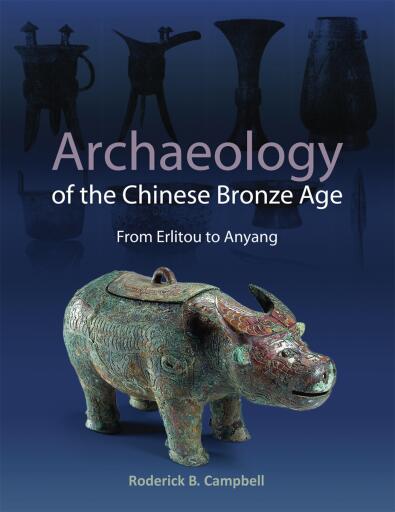
Archaeology of the Chinese Bronze Age
Campbell, Roderick B.

China's Contested Capital
Musgrove, Charles D.

Naranjas de la China
Arias, Julio