
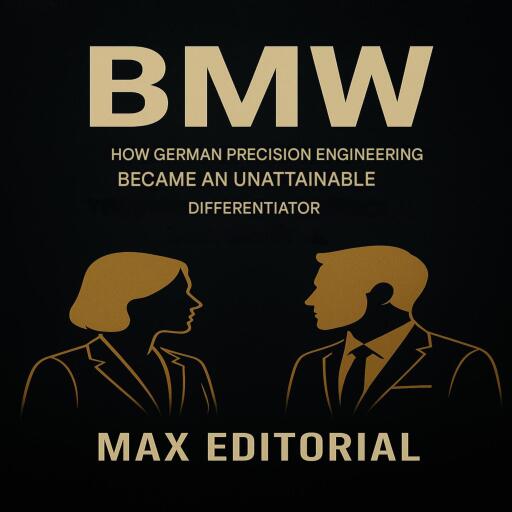
BMW: HOW GERMAN PRECISION ENGINEERING BECAME AN UNATTAINABLE DIFFERENTIATOR
Pubblicato da Max Editorial
Disponibile in 11 librerie
 Disal - Distribuidora de Conhecimento
🇧🇷
Visita il negozio →
Disal - Distribuidora de Conhecimento
🇧🇷
Visita il negozio →










Venduto direttamente dall'editore indipendente Disal - Distribuidora de Conhecimento
Informazioni su questo libro
Disponibilità
BMW: HOW GERMAN PRECISION ENGINEERING BECAME AN UNATTAINABLE DIFFERENTIATOR è disponibile come eBook in 11 librerie online. Tra le librerie che lo vendono ci sono Disal - Distribuidora de Conhecimento, Martins Fontes Paulista, Bajalibros Argentina. Acquistalo direttamente dal suo editore su Disal - Distribuidora de Conhecimento, Martins Fontes Paulista.
Categorie
- Lingua
- English
Domande frequenti
- In quali formati è disponibile BMW: HOW GERMAN PRECISION ENGINEERING BECAME AN UNATTAINABLE DIFFERENTIATOR?
- BMW: HOW GERMAN PRECISION ENGINEERING BECAME AN UNATTAINABLE DIFFERENTIATOR è disponibile come eBook in 11 librerie online.
- Dove posso comprare BMW: HOW GERMAN PRECISION ENGINEERING BECAME AN UNATTAINABLE DIFFERENTIATOR?
- Puoi comprare BMW: HOW GERMAN PRECISION ENGINEERING BECAME AN UNATTAINABLE DIFFERENTIATOR su Disal - Distribuidora de Conhecimento, Martins Fontes Paulista, Bajalibros Argentina. Confronta tutte le opzioni nell’elenco di questa pagina.
Valutazioni e recensioni
Ancora nessuna valutazione. Sii il primo a recensire questo libro.
Accedi per valutare e recensire questo libro.
Potrebbe piacerti anche

Ecce Homo
Nietzsche, Friedrich

Tornando-se Luz
Carvalho, Mara

Paris la nuit
Tasso, Valérie
TDAH e o Método GTD: Organize Tudo sem pirar
EDITORIAL, MAX

Estratégias para Superar a Ansiedade Financeira e Construir Confiança
EDITORIAL, MAX

Starbucks: Como a empresa criou um ritual social em torno do café
EDITORIAL, MAX