
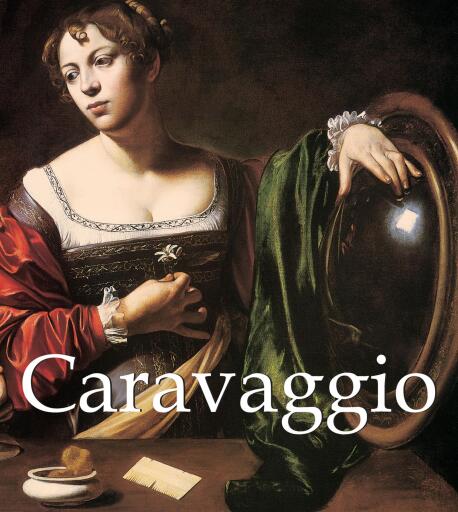
Caravaggio
Di Witting, Félix, Patrizi, M.L.
Pubblicato da Parkstone International
English
256 pagine
2012
ISBN 9781780427201
PDF






Informazioni su questo libro
After staying in Milan for his apprenticeship, Michelangelo da Caravaggio arrived in Rome in 1592. There he started to paint with both realism and psychological analysis of the sitters. Caravaggio was as temperamental in his painting as in his wild life. As he also responded to prestigious Church commissions, his dramatic style and his realism were seen as unacceptable. Chiaroscuro had existed well before he came on the scene, but it was Caravaggio who made the technique definitive, darkening the shadows and transfixing the subject in a blinding shaft of light. His influence was immense, firstly through those who were more or less directly his disciples. Famous during his lifetime, Caravaggio had a great influence upon Baroque art. The Genoese and Neapolitan Schools derived lessons from him, and the great movement of Spanish painting in the seventeenth century was connected with these schools. In the following generations the best endowed painters oscillated between the lessons of Caravaggio and the Carracci.
Categorie
- Lingua
- English
Condividi
Potrebbe piacerti anche

Albrecht Dürer - Der Mann und das Werk
Pastor, Willy

Les peintres brugeois
Michiels, Alfred

Mona Lisa
Hales, Dianne
Die italienischen Schulen: Die Italiener bis zum Ende des XVI. Jahrhunderts
Woermann, Karl
Leonardo da Vinci, filósofo del futuro
Ludueña Romandini, Fabián
Miguel Ángel - Ningún artista, nunca en la vida, conseguirá lograr esta perfección.
Müntz, Eugène