
Christian Social Innovation: Renewing Wesleyan Witness
Pubblicato da Abingdon Press
English
2016
ISBN 9781501825781
eBook

Informazioni su questo libro
Everybody seems interested in innovation and entrepreneurship these days. Start-ups are generating new jobs creating wealth and providing solutions to longstanding problems. People are also aware that old-line social institutions need innovative approaches that provide renewal re-establish trust and cultivate sustainability.What do faith communities have to do with innovation and entrepreneurship? Faith communities have their own need for innovation demonstrated in a growing interest in starting new churches developing "fresh expressions" for gatherings of community and discussions about how to cultivate a renewed sense of mission.But do faith communities have anything unique to contribute to conversations about innovation and entrepreneurship especially in "social entrepreneurship"? At first glance the answer seems to be "no." Burgeoning literature on social entrepreneurship barely mentions the church or other faith-based institutions and when it does theyre often described as part of the broken institutional landscape.Recently much of the most innovative and entrepreneurial work in these sectors has been done apart from faith communities whether through secular non-governmental organizations (e.g. Teach for America Knowledge is Power Program schools) or for-profit businesses (e.g. hospitals and hospices). Indeed it is now often assumed that faith and faith communities either are irrelevant to social innovation and entrepreneurship or are a significant obstacle.We believe too many people in faith communities and faith-based organizations themselves turned inward. They became preoccupied with managing what already existed rather than focusing on innovative renewal of their organizations and entrepreneurial approaches to starting new ones. However Christian social innovation at its best depends on a conception of hope different than the optimism that often characterizes secular endeavors a hope that acknowledges personal and social brokenness. Further faith communities at their best have embodied perseverance often bringing people together across generations and diverse sectors to imagine how common effort and faith might overcome obstacles.Although some faith communities have lost the "at-their-best" focus new conversations and experiments are emerging beyond the goal of starting new congregations. But they tend to be "and" conversations: faith and innovation faith and entrepreneurship faith and leadership. We dont think this goes deep enough. Faith might truly "animate" social innovation and entrepreneurship. In this perspective faith is not held at a distance from the activities of life but is instead its vital force providing the imagination passion and commitment that lead to transformation.
Categorie
- Lingua
- English
Condividi
Potrebbe piacerti anche
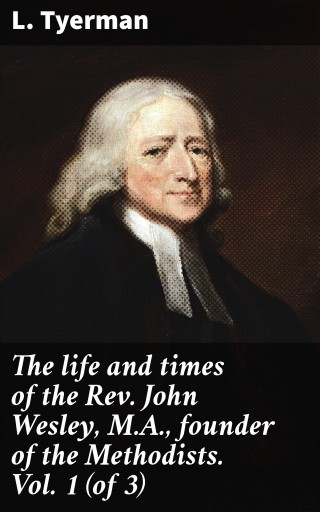
The life and times of the Rev. John Wesley, M.A., founder of the Methodists. Vol. 1 (of 3)
Tyerman, L.

Explicação clara da perfeição cristã
Wesley, John

The Book of Resolutions of The United Methodist Church 2020/2024
Church, United Methodist

Five Means of Grace: Leader Guide: Experience God's Love the Wesleyan Way
Heath, Elaine A

Methodism and American Empire: Reflections on Decolonizing the Church
Scott, David William, Maia, Filipe Fernandes R.