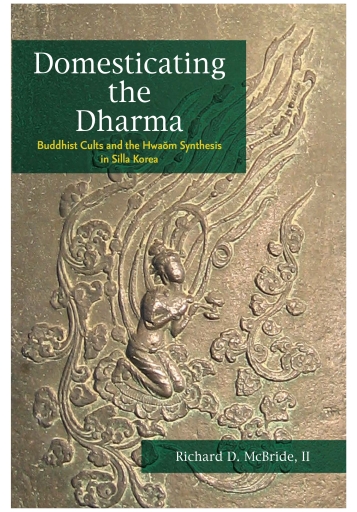
Domesticating the Dharma
Pubblicato da University of Hawaii Press
English
249 pagine
2007
ISBN 9780824862244
PDF
Buy at Catademic
🇺🇸
 Catademic
🇺🇸
Visita il negozio →
Catademic
🇺🇸
Visita il negozio →
 Bajalibros Latam
🇺🇸
Visita il negozio →
Bajalibros Latam
🇺🇸
Visita il negozio →
 Association of University Presses - Tienda FILUNI
🇺🇸
Visita il negozio →
Association of University Presses - Tienda FILUNI
🇺🇸
Visita il negozio →
 Ebooks Librería Antártica
🇨🇱
Visita il negozio →
Ebooks Librería Antártica
🇨🇱
Visita il negozio →
 Ebooks Agustin
🇪🇸
Visita il negozio →
Ebooks Agustin
🇪🇸
Visita il negozio →
 Bajalibros Argentina
🇦🇷
Visita il negozio →
Bajalibros Argentina
🇦🇷
Visita il negozio →
 Sanborns Ebooks
🇲🇽
Visita il negozio →
Sanborns Ebooks
🇲🇽
Visita il negozio →
 ebooks Libreria del GAM
🇨🇱
Visita il negozio →
ebooks Libreria del GAM
🇨🇱
Visita il negozio →
 Bookshop Uruguay
🇺🇾
Visita il negozio →
Bookshop Uruguay
🇺🇾
Visita il negozio →
 ebookskitapenas
🇬🇹
Visita il negozio →
ebookskitapenas
🇬🇹
Visita il negozio →
 Ebooks Yenny - El Ateneo
🇦🇷
Visita il negozio →
Ebooks Yenny - El Ateneo
🇦🇷
Visita il negozio →
 Crisol Ebooks
🇵🇪
Visita il negozio →
Crisol Ebooks
🇵🇪
Visita il negozio →
Disponibile in 12 librerie
Catademic
🇺🇸
Visita il negozio →
Bajalibros Latam
🇺🇸
Visita il negozio →
Association of University Presses - Tienda FILUNI
🇺🇸
Visita il negozio →
Ebooks Librería Antártica
🇨🇱
Visita il negozio →
Ebooks Agustin
🇪🇸
Visita il negozio →
Bajalibros Argentina
🇦🇷
Visita il negozio →
Sanborns Ebooks
🇲🇽
Visita il negozio →
ebooks Libreria del GAM
🇨🇱
Visita il negozio →
Bookshop Uruguay
🇺🇾
Visita il negozio →
ebookskitapenas
🇬🇹
Visita il negozio →
Ebooks Yenny - El Ateneo
🇦🇷
Visita il negozio →
Crisol Ebooks
🇵🇪
Visita il negozio →
Informazioni su questo libro
<p>Western scholarship has hitherto described the assimilation of Buddhism in Korea in terms of the importation of Sino-Indian and Chinese intellectual schools. This has led to an overemphasis on the scholastic understanding of Buddhism and overlooked evidence of the way Buddhism was practiced "on the ground." <i>Domesticating the Dharma</i> provides a much-needed corrective to this view by presenting for the first time a descriptive analysis of the cultic practices that defined and shaped the way Buddhists in Silla Korea understood their religion from the sixth to tenth centuries. Critiquing the conventional two-tiered model of "elite" versus "popular" religion, Richard McBride demonstrates how the eminent monks, royalty, and hereditary aristocrats of Silla were the primary proponents of Buddhist cults and that rich and diverse practices spread to the common people because of their influence.<br><br>Drawing on Buddhist hagiography, traditional narratives, historical anecdotes, and epigraphy, McBride describes the seminal role of the worship of Buddhist deities—in particular the Buddha Úâkyamuni, the future buddha Maitreya, and the bodhisattva Avalokiteúvara—in the domestication of the religion on the Korean peninsula and the use of imagery from the Maitreya cult to create a symbiosis between the native religious observances of Silla and those being imported from the Chinese cultural sphere. He shows how in turn Buddhist imagery transformed Silla intellectually, geographically, and spatially to represent a Buddha land and sacred locations detailed in the <i>Avataṃsaka Sûtra (Huayan jing/Hwaŏm kyŏng)</i>. Emphasizing the importance of the interconnected vision of the universe described in the <i>Avataṃsaka Sûtra</i>, McBride depicts the synthesis of Buddhist cults and cultic practices that flourished in Silla Korea with the practice-oriented Hwaŏm tradition from the eight to tenth centuries and its subsequent rise to a uniquely Korean cult of the Divine Assembly described in scripture.</p>
Categorie
- Lingua
- English
Condividi