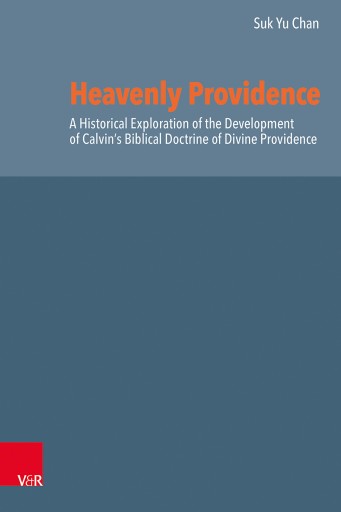
Heavenly Providence
Di Chan, Suk Yu
Pubblicato da Vandenhoeck & Ruprecht
English
210 pagine
2022
ISBN 9783647560717
PDF
Buy at Bajalibros Latam
🇺🇸
 Bajalibros Latam
🇺🇸
Visita il negozio →
Bajalibros Latam
🇺🇸
Visita il negozio →
 LORANCHBOOKSTORE
🇺🇸
Visita il negozio →
LORANCHBOOKSTORE
🇺🇸
Visita il negozio →
 Libros Patagonia
🇨🇱
Visita il negozio →
Libros Patagonia
🇨🇱
Visita il negozio →
 Ebooks Librería Carlos Fuentes
🇲🇽
Visita il negozio →
Ebooks Librería Carlos Fuentes
🇲🇽
Visita il negozio →
 Ebooks Librería Antártica
🇨🇱
Visita il negozio →
Ebooks Librería Antártica
🇨🇱
Visita il negozio →
 Ebooks Happy Books
🇨🇴
Visita il negozio →
Ebooks Happy Books
🇨🇴
Visita il negozio →
 ebooks libreria española
🇪🇨
Visita il negozio →
ebooks libreria española
🇪🇨
Visita il negozio →
 Bajalibros Argentina
🇦🇷
Visita il negozio →
Bajalibros Argentina
🇦🇷
Visita il negozio →
 Alpha Books
🇨🇴
Visita il negozio →
Alpha Books
🇨🇴
Visita il negozio →
 Sanborns Ebooks
🇲🇽
Visita il negozio →
Sanborns Ebooks
🇲🇽
Visita il negozio →
 ebooks Libreria del GAM
🇨🇱
Visita il negozio →
ebooks Libreria del GAM
🇨🇱
Visita il negozio →
 Bookshop Uruguay
🇺🇾
Visita il negozio →
Bookshop Uruguay
🇺🇾
Visita il negozio →
 Ebooks Yenny - El Ateneo
🇦🇷
Visita il negozio →
Ebooks Yenny - El Ateneo
🇦🇷
Visita il negozio →
 Crisol Ebooks
🇵🇪
Visita il negozio →
Crisol Ebooks
🇵🇪
Visita il negozio →
Disponibile in 14 librerie
Bajalibros Latam
🇺🇸
Visita il negozio →
LORANCHBOOKSTORE
🇺🇸
Visita il negozio →
Libros Patagonia
🇨🇱
Visita il negozio →
Ebooks Librería Carlos Fuentes
🇲🇽
Visita il negozio →
Ebooks Librería Antártica
🇨🇱
Visita il negozio →
Ebooks Happy Books
🇨🇴
Visita il negozio →
ebooks libreria española
🇪🇨
Visita il negozio →
Bajalibros Argentina
🇦🇷
Visita il negozio →
Alpha Books
🇨🇴
Visita il negozio →
Sanborns Ebooks
🇲🇽
Visita il negozio →
ebooks Libreria del GAM
🇨🇱
Visita il negozio →
Bookshop Uruguay
🇺🇾
Visita il negozio →
Ebooks Yenny - El Ateneo
🇦🇷
Visita il negozio →
Crisol Ebooks
🇵🇪
Visita il negozio →
Informazioni su questo libro
Suk Yu Chan provides a revisit of John Calvin's interpretation of the doctrine of divine providence and builds upon a vast repository of quality research conducted by previous Reformation scholars. The author adopts a historical approach to explore Calvin's works from 1534–1559, and argues that from 1534–1541, Calvin used the image of the fountain to portray God as the source of everything, who has power to preserve and give life to all creatures on earth. Between the Latin edition of the Institutes in 1539 and the French translation of that work in 1541, Calvin was indecisive about the definition of special providence, articulating a fitful relationship between providence and soteriology in these two texts. In 1552, Calvin gradually ceased using the image of the fountain to portray God as the source of everything, and he also delivered three definitions of divine providence: general providence, special providence, and the very presence of God. Based on the theological understanding of divine providence which he had developed from 1534–1552, Calvin presented his exegesis on the Book of Job and the Book of Psalms through his sermons and commentaries. Furthermore, Calvin also discussed the importance of the human role in God's providence. While Calvin's theological understanding of God's providence was inherited by his successor, Theodore Beza, Beza applied it differently in his exegesis on the Book of Job. From 1534–1559, Calvin formulated his biblical doctrine of divine providence, articulating that divine providence is heavenly providence which is comprised of eternal predestination and divine preservation.
Categorie
- Lingua
- English
Condividi