
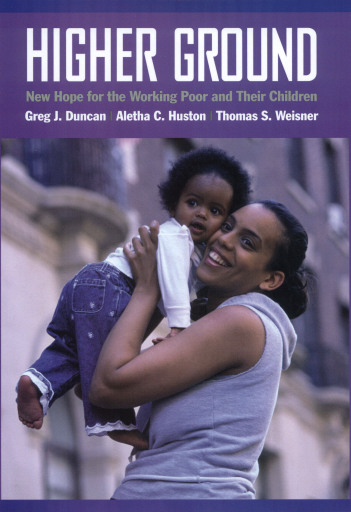
Higher Ground
Di Duncan, Greg J., Huston, Aletha C., Weisner, Thomas S.
Pubblicato da Russell Sage Foundation
English
2007
ISBN 9781610441728
eBook
Buy at Association of University Presses - Tienda FILUNI
🇺🇸
 Catademic
🇺🇸
Visita il negozio →
Catademic
🇺🇸
Visita il negozio →
 Bajalibros Latam
🇺🇸
Visita il negozio →
Bajalibros Latam
🇺🇸
Visita il negozio →
 Association of University Presses - Tienda FILUNI
🇺🇸
Visita il negozio →
Association of University Presses - Tienda FILUNI
🇺🇸
Visita il negozio →
 Ebooks Librería Antártica
🇨🇱
Visita il negozio →
Ebooks Librería Antártica
🇨🇱
Visita il negozio →
 Ebooks Agustin
🇪🇸
Visita il negozio →
Ebooks Agustin
🇪🇸
Visita il negozio →
 Bajalibros Argentina
🇦🇷
Visita il negozio →
Bajalibros Argentina
🇦🇷
Visita il negozio →
 Sanborns Ebooks
🇲🇽
Visita il negozio →
Sanborns Ebooks
🇲🇽
Visita il negozio →
 ebooks Libreria del GAM
🇨🇱
Visita il negozio →
ebooks Libreria del GAM
🇨🇱
Visita il negozio →
 Bookshop Uruguay
🇺🇾
Visita il negozio →
Bookshop Uruguay
🇺🇾
Visita il negozio →
 ebookskitapenas
🇬🇹
Visita il negozio →
ebookskitapenas
🇬🇹
Visita il negozio →
 Ebooks Yenny - El Ateneo
🇦🇷
Visita il negozio →
Ebooks Yenny - El Ateneo
🇦🇷
Visita il negozio →
 Crisol Ebooks
🇵🇪
Visita il negozio →
Crisol Ebooks
🇵🇪
Visita il negozio →
Disponibile in 12 librerie
Catademic
🇺🇸
Visita il negozio →
Bajalibros Latam
🇺🇸
Visita il negozio →
Association of University Presses - Tienda FILUNI
🇺🇸
Visita il negozio →
Ebooks Librería Antártica
🇨🇱
Visita il negozio →
Ebooks Agustin
🇪🇸
Visita il negozio →
Bajalibros Argentina
🇦🇷
Visita il negozio →
Sanborns Ebooks
🇲🇽
Visita il negozio →
ebooks Libreria del GAM
🇨🇱
Visita il negozio →
Bookshop Uruguay
🇺🇾
Visita il negozio →
ebookskitapenas
🇬🇹
Visita il negozio →
Ebooks Yenny - El Ateneo
🇦🇷
Visita il negozio →
Crisol Ebooks
🇵🇪
Visita il negozio →
Informazioni su questo libro
<div>During the 1990s, growing demands to end chronic welfare dependency culminated in the 1996 federal "welfare-to-work" reforms. But regardless of welfare reform, the United States has always been home to a large population of working poor—people who remain poor even when they work and do not receive welfare. In a concentrated effort to address the problems of the working poor, a coalition of community activists and business leaders in Milwaukee, Wisconsin, launched New Hope, an experimental program that boosted employment among the city's poor while reducing poverty and improving children's lives. In Higher Ground, Greg Duncan, Aletha Huston, and Thomas Weisner provide a compelling look at how New Hope can serve as a model for national anti-poverty policies. New Hope was a social contract—not a welfare program—in which participants were required to work a minimum of thirty hours a week in order to be eligible for earnings supplements and health and child care subsidies. All participants had access to career counseling and temporary community service jobs. Drawing on evidence from surveys, public records of employment and earnings, in-depth interviews, and ethnographic observation, Higher Ground tells the story of this ambitious three-year social experiment and evaluates how participants fared relative to a control group. The results were highly encouraging. Poverty rates declined among families that participated in the program. Employment and earnings increased among participants who were not initially working full-time, relative to their counterparts in a control group. For those who had faced just one significant barrier to employment (such as a lack of access to child care or a spotty employment history), these gains lasted years after the program ended. Increased income, combined with New Hope's subsidies for child care and health care, brought marked improvements to the well-being and development of participants' children. Enrollment in child care centers increased, and fewer medical needs went unmet. Children performed better in school and exhibited fewer behavioral problems, and gains were particularly dramatic for boys, who are at the greatest risk for poor academic performance and behavioral disorders. As America takes stock of the successes and shortcomings of the Clinton-era welfare reforms, the authors convincingly demonstrate why New Hope could be a model for state and national policies to assist the working poor. Evidence based and insightfully written, Higher Ground illuminates how policymakers can make work pay for families struggling to escape poverty.</div>
- Lingua
- English
Condividi
Potrebbe piacerti anche
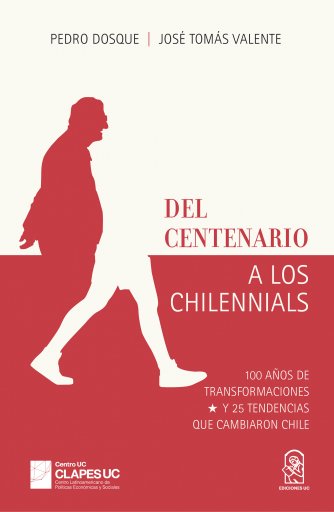
Del centenario a los chilennials
Pedro Dosque, José Tomás Valente

Adapte-se
Harford, Tim

A fina arte do sucesso
Anderson, Jamie, Reckhenrich, Jörg, Kupp, Martin

The Coaching Habit
Stanier, Michael Bungay
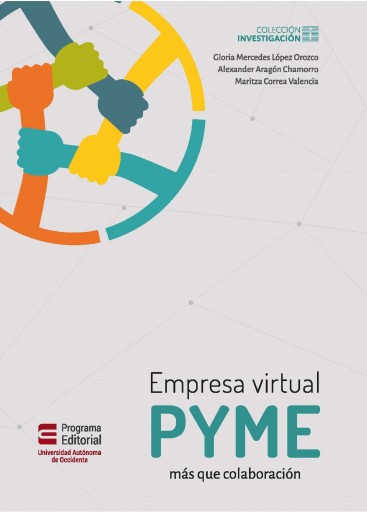
Empresa virtual pyme
López Orozco, Gloria Mercedes, Aragón Chamorro, Alexander, Correa Valencia, Maritza

Creación de valor compartido en organizaciones cooperativas de la región Caribe colombiana
Daza Corredor, Alexander, Sánchez Otero, Madelin, Bernal Payares, Omaira