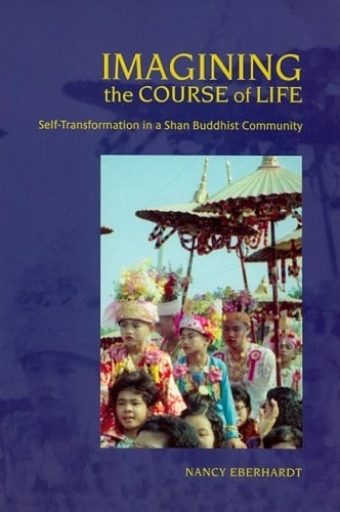
Imagining the Course of Life
Pubblicato da University of Hawaii Press
English
224 pagine
2006
ISBN 9780824841751
Tempo di lettura stimato: 4 h 6 min
PDF
Buy at Ebooks Yenny - El Ateneo
🇦🇷
 Association of University Presses - Tienda FILUNI
🇺🇸
Visita il negozio →
Association of University Presses - Tienda FILUNI
🇺🇸
Visita il negozio →
 Bajalibros Argentina
🇦🇷
Visita il negozio →
Bajalibros Argentina
🇦🇷
Visita il negozio →
 Bajalibros Latam
🇺🇸
Visita il negozio →
Bajalibros Latam
🇺🇸
Visita il negozio →
 Bookshop Uruguay
🇺🇾
Visita il negozio →
Bookshop Uruguay
🇺🇾
Visita il negozio →
 Catademic
🇺🇸
Visita il negozio →
Catademic
🇺🇸
Visita il negozio →
Disponibile in 13 librerie
Association of University Presses - Tienda FILUNI
🇺🇸
Visita il negozio →
Bajalibros Argentina
🇦🇷
Visita il negozio →
Bajalibros Latam
🇺🇸
Visita il negozio →
Bookshop Uruguay
🇺🇾
Visita il negozio →
Catademic
🇺🇸
Visita il negozio →








Informazioni su questo libro
Imagining the Course of Life offers a rich portrait of rural life in contemporary Southeast Asia and an accessible introduction to the complexities of Theravada Buddhism as it is actually lived and experienced. It is both an ethnography of indigenous views of human development and a theoretical consideration of how any ethnopsychology is embedded in society and culture. Drawing on long-term fieldwork in a Shan village in northern Thailand, Nancy Eberhardt illustrates how indigenous theories of the life course are connected to local constructions of self and personhood. In the process, she draws our attention to contrasting models in the Euro-American tradition and invites us to reconsider how we think about the trajectory of a human life.
Moving beyond the entrenched categories that can hamper our understanding of other views, Imagining the Course of Life demonstrates the real-life connections between the "religious" and the "psychological." Eberhardt shows how such beliefs and practices are used, sometimes strategically, in people’s constructions of themselves, in their interpretations of others’ behavior, and in their attempts at social positioning. Individual chapters explore Shan ideas about the overall course of human development, from infancy to old age and beyond, and show how these ideas inform people’s understanding of personhood and maturity, gender and social inequality, illness and well-being, emotions and mental health.
Disponibilità
Imagining the Course of Life è disponibile come PDF in 13 librerie online. Tra le librerie che lo vendono ci sono Association of University Presses - Tienda FILUNI, Bajalibros Argentina, Bajalibros Latam.
Categorie
- Lingua
- English
Condividi
Domande frequenti
- In quali formati è disponibile Imagining the Course of Life?
- Imagining the Course of Life è disponibile come PDF in 13 librerie online.
- Dove posso comprare Imagining the Course of Life?
- Puoi comprare Imagining the Course of Life su Association of University Presses - Tienda FILUNI, Bajalibros Argentina, Bajalibros Latam. Confronta tutte le opzioni nell’elenco di questa pagina.
- Quanto tempo ci vuole per leggere Imagining the Course of Life?
- A un ritmo di lettura medio, Imagining the Course of Life si legge in circa 4 h 6 min (224 pagine).
Valutazioni e recensioni
Ancora nessuna valutazione. Sii il primo a recensire questo libro.
Accedi per valutare e recensire questo libro.