
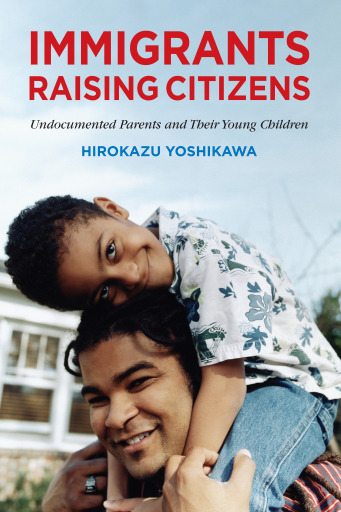
Immigrants Raising Citizens
Pubblicato da Russell Sage Foundation
English
2011
ISBN 9781610447072
eBook
Buy at Bajalibros Latam
🇺🇸
 Catademic
🇺🇸
Visita il negozio →
Catademic
🇺🇸
Visita il negozio →
 Bajalibros Latam
🇺🇸
Visita il negozio →
Bajalibros Latam
🇺🇸
Visita il negozio →
 Association of University Presses - Tienda FILUNI
🇺🇸
Visita il negozio →
Association of University Presses - Tienda FILUNI
🇺🇸
Visita il negozio →
 Ebooks Librería Antártica
🇨🇱
Visita il negozio →
Ebooks Librería Antártica
🇨🇱
Visita il negozio →
 Ebooks Agustin
🇪🇸
Visita il negozio →
Ebooks Agustin
🇪🇸
Visita il negozio →
 Bajalibros Argentina
🇦🇷
Visita il negozio →
Bajalibros Argentina
🇦🇷
Visita il negozio →
 Sanborns Ebooks
🇲🇽
Visita il negozio →
Sanborns Ebooks
🇲🇽
Visita il negozio →
 ebooks Libreria del GAM
🇨🇱
Visita il negozio →
ebooks Libreria del GAM
🇨🇱
Visita il negozio →
 Bookshop Uruguay
🇺🇾
Visita il negozio →
Bookshop Uruguay
🇺🇾
Visita il negozio →
 ebookskitapenas
🇬🇹
Visita il negozio →
ebookskitapenas
🇬🇹
Visita il negozio →
 Ebooks Yenny - El Ateneo
🇦🇷
Visita il negozio →
Ebooks Yenny - El Ateneo
🇦🇷
Visita il negozio →
 Crisol Ebooks
🇵🇪
Visita il negozio →
Crisol Ebooks
🇵🇪
Visita il negozio →
Disponibile in 12 librerie
Catademic
🇺🇸
Visita il negozio →
Bajalibros Latam
🇺🇸
Visita il negozio →
Association of University Presses - Tienda FILUNI
🇺🇸
Visita il negozio →
Ebooks Librería Antártica
🇨🇱
Visita il negozio →
Ebooks Agustin
🇪🇸
Visita il negozio →
Bajalibros Argentina
🇦🇷
Visita il negozio →
Sanborns Ebooks
🇲🇽
Visita il negozio →
ebooks Libreria del GAM
🇨🇱
Visita il negozio →
Bookshop Uruguay
🇺🇾
Visita il negozio →
ebookskitapenas
🇬🇹
Visita il negozio →
Ebooks Yenny - El Ateneo
🇦🇷
Visita il negozio →
Crisol Ebooks
🇵🇪
Visita il negozio →
Informazioni su questo libro
<div>An in-depth look at the challenges undocumented immigrants face as they raise children in the U.S. There are now nearly four million children born in the United States who have undocumented immigrant parents. In the current debates around immigration reform, policymakers often view immigrants as an economic or labor market problem to be solved, but the issue has a very real human dimension. Immigrant parents without legal status are raising their citizen children under stressful work and financial conditions, with the constant threat of discovery and deportation that may narrow social contacts and limit participation in public programs that might benefit their children. Immigrants Raising Citizens offers a compelling description of the everyday experiences of these parents, their very young children, and the consequences these experiences have on their children's development. Immigrants Raising Citizens challenges conventional wisdom about undocumented immigrants, viewing them not as lawbreakers or victims, but as the parents of citizens whose adult productivity will be essential to the nation's future. The book's findings are based on data from a three-year study of 380 infants from Dominican, Mexican, Chinese, and African American families, which included in-depth interviews, in-home child assessments, and parent surveys. The book shows that undocumented parents share three sets of experiences that distinguish them from legal-status parents and may adversely influence their children's development: avoidance of programs and authorities, isolated social networks, and poor work conditions. Fearing deportation, undocumented parents often avoid accessing valuable resources that could help their children's development—such as access to public programs and agencies providing child care and food subsidies. At the same time, many of these parents are forced to interact with illegal entities such as smugglers or loan sharks out of financial necessity. Undocumented immigrants also tend to have fewer reliable social ties to assist with child care or share information on child-rearing. Compared to legal-status parents, undocumented parents experience significantly more exploitive work conditions, including long hours, inadequate pay and raises, few job benefits, and limited autonomy in job duties. These conditions can result in ongoing parental stress, economic hardship, and avoidance of center-based child care—which is directly correlated with early skill development in children. The result is poorly developed cognitive skills, recognizable in children as young as two years old, which can negatively impact their future school performance and, eventually, their job prospects. Immigrants Raising Citizens has important implications for immigration policy, labor law enforcement, and the structure of community services for immigrant families. In addition to low income and educational levels, undocumented parents experience hardships due to their status that have potentially lifelong consequences for their children. With nothing less than the future contributions of these children at stake, the book presents a rigorous and sobering argument that the price for ignoring this reality may be too high to pay.</div>
- Lingua
- English
Condividi
Potrebbe piacerti anche

La constitución del Yo en niños/as severamente perturbados
Tewel, Carlos
Sandtray Play in Education
Turner, Barbara A., Unnsteinsdottir, Kristin

Die Geheimreise
Refay, Hassan

Stecki 401 auf dem Fußballplatz
Refay, Hassan

Stecki 401 landet auf der Erde
Refay, Hassan

Ainda existe a cadeira do papai?
Polity, Elizabeth, Setton, Marcia Zalcman, Colombo, Sandra Fedullo