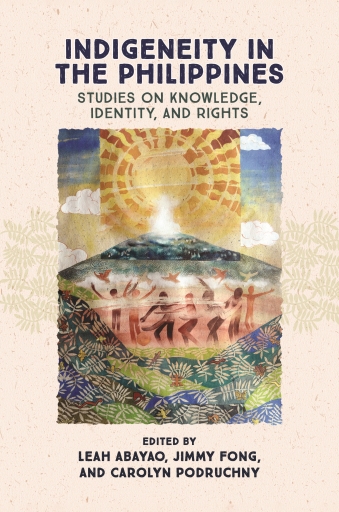
Indigeneity in the Philippines
Pubblicato da University of Hawaii Press
English
385 pagine
2025
ISBN 9780824898984
Tempo di lettura stimato: 7 h 4 min
PDF
Buy at Ebooks Librería Antártica
🇨🇱
 Bajalibros Argentina
🇦🇷
Visita il negozio →
Bajalibros Argentina
🇦🇷
Visita il negozio →
 Bajalibros Latam
🇺🇸
Visita il negozio →
Bajalibros Latam
🇺🇸
Visita il negozio →
 Bookshop Uruguay
🇺🇾
Visita il negozio →
Bookshop Uruguay
🇺🇾
Visita il negozio →
 Crisol Ebooks
🇵🇪
Visita il negozio →
Crisol Ebooks
🇵🇪
Visita il negozio →
 Ebooks Agustin
🇪🇸
Visita il negozio →
Ebooks Agustin
🇪🇸
Visita il negozio →
Disponibile in 10 librerie
Bajalibros Argentina
🇦🇷
Visita il negozio →
Bajalibros Latam
🇺🇸
Visita il negozio →
Bookshop Uruguay
🇺🇾
Visita il negozio →
Crisol Ebooks
🇵🇪
Visita il negozio →
Ebooks Agustin
🇪🇸
Visita il negozio →





Informazioni su questo libro
In the Philippines, the concept of Indigeneity is deeply intertwined with colonial history, a pattern echoed across the globe. Yet, its manifestation in the Philippines bears distinct features. The Philippine Indigenous Peoples Rights Act of 1997 identifies as Indigenous groups who resisted colonization. Today the Philippines recognizes approximately 110 diverse Indigenous ethnic groups that are made up of fourteen to seventeen million people. This book aims to show how discussions of Indigeneity in the Philippines can contribute to the conversation about global Indigeneity by highlighting the distinct circumstances of the Philippines.
The essays in this volume are divided into four sections: Defining Indigenous Peoples and their Rights, Indigenous Knowledge, Colonialism, and Making Identities. The interdisciplinary essays touch on Indigenous peoples throughout the Philippines and beyond to diasporas. Most of the essays are rooted in northern Luzon in the Cordillera region, reflecting the field’s strength. A variety of theoretical insights emerge in the volume, but a common thread is each essay’s firm grounding in specific people, places, and processes, and the critical reading of source materials. The twenty-four contributors teach us that Indigeneity in the Philippines is a complex and evolving identity brought to national attention by the hard work of Indigenous communities.
In the Philippines today, Indigenous peoples continue to negotiate their rights, affirm their presence, and advocate for their concerns. Indigenous knowledge has been flourishing in epistemologies, rituals, stories, books, and educational structures. This volume of essays on Indigeneity in a nation that is known for its support of Indigenous groups is one of the first of its kind for Southeast Asia.
Disponibilità
Indigeneity in the Philippines è disponibile come PDF in 10 librerie online. Tra le librerie che lo vendono ci sono Bajalibros Argentina, Bajalibros Latam, Bookshop Uruguay.
- Lingua
- English
Condividi
Domande frequenti
- In quali formati è disponibile Indigeneity in the Philippines?
- Indigeneity in the Philippines è disponibile come PDF in 10 librerie online.
- Dove posso comprare Indigeneity in the Philippines?
- Puoi comprare Indigeneity in the Philippines su Bajalibros Argentina, Bajalibros Latam, Bookshop Uruguay. Confronta tutte le opzioni nell’elenco di questa pagina.
- Quanto tempo ci vuole per leggere Indigeneity in the Philippines?
- A un ritmo di lettura medio, Indigeneity in the Philippines si legge in circa 7 h 4 min (385 pagine).
Valutazioni e recensioni
Ancora nessuna valutazione. Sii il primo a recensire questo libro.
Accedi per valutare e recensire questo libro.