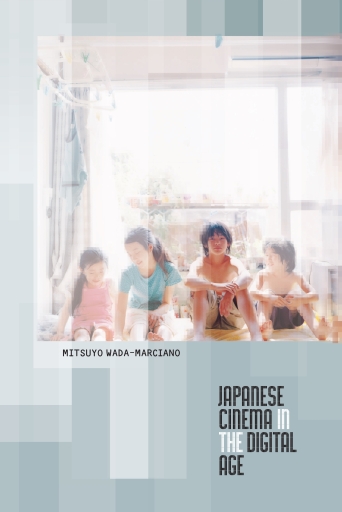
Japanese Cinema in the Digital Age
Pubblicato da University of Hawaii Press
English
194 pagine
2012
ISBN 9780824865887
Tempo di lettura stimato: 3 h 33 min
PDF
Buy at Association of University Presses - Tienda FILUNI
🇺🇸
 Bajalibros Argentina
🇦🇷
Visita il negozio →
Bajalibros Argentina
🇦🇷
Visita il negozio →
 Bajalibros Latam
🇺🇸
Visita il negozio →
Bajalibros Latam
🇺🇸
Visita il negozio →
 Bookshop Uruguay
🇺🇾
Visita il negozio →
Bookshop Uruguay
🇺🇾
Visita il negozio →
 Catademic
🇺🇸
Visita il negozio →
Catademic
🇺🇸
Visita il negozio →
Disponibile in 13 librerie
 Bajalibros Argentina
🇦🇷
Visita il negozio →
Bajalibros Latam
🇺🇸
Visita il negozio →
Bookshop Uruguay
🇺🇾
Visita il negozio →
Catademic
🇺🇸
Visita il negozio →
Bajalibros Argentina
🇦🇷
Visita il negozio →
Bajalibros Latam
🇺🇸
Visita il negozio →
Bookshop Uruguay
🇺🇾
Visita il negozio →
Catademic
🇺🇸
Visita il negozio →








Informazioni su questo libro
Digital technology has transformed cinema’s production, distribution, and consumption patterns and pushed contemporary cinema toward increasingly global markets. In the case of Japanese cinema, a once moribund industry has been revitalized as regional genres such as anime and Japanese horror now challenge Hollywood’s preeminence in global cinema. In her rigorous investigations of J-horror, personal documentary, anime, and ethnic cinema, Mitsuyo Wada-Marciano deliberates on the role of the transnational in bringing to the mainstream what were formerly marginal B-movie genres. She argues persuasively that convergence culture, which these films represent, constitutes Japan’s response to the variegated flows of global economics and culture.
With its timely analysis of new modes of production emerging from the struggles of Japanese filmmakers and animators to finance and market their work in a post-studio era, this book holds critical implications for the future of other national cinemas fighting to remain viable in a global marketplace. As academics in film and media studies prepare a wholesale shift toward a transnational perspective of film, Wada-Marciano cautions against jettisoning the entire national cinema paradigm. Discussing the technological advances and the new cinematic flows of consumption, she demonstrates that while contemporary Japanese film, on the one hand, expresses the transnational as an object of desire (i.e., a form of total cosmopolitanism), on the other hand, that desire is indeed inseparable from Japan’s national identity.
Drawing on a substantial number of interviews with auteur directors such as Kore’eda Hirokazu, Kurosawa Kiyoshi, and Kawase Naomi, and incisive analysis of select film texts, this compelling, original work challenges the presumption that Hollywood is the only authentically “global” cinema.
Disponibilità
Japanese Cinema in the Digital Age è disponibile come PDF in 13 librerie online. Tra le librerie che lo vendono ci sono Association of University Presses - Tienda FILUNI, Bajalibros Argentina, Bajalibros Latam.
Categorie
- Lingua
- English
Condividi
Domande frequenti
- In quali formati è disponibile Japanese Cinema in the Digital Age?
- Japanese Cinema in the Digital Age è disponibile come PDF in 13 librerie online.
- Dove posso comprare Japanese Cinema in the Digital Age?
- Puoi comprare Japanese Cinema in the Digital Age su Association of University Presses - Tienda FILUNI, Bajalibros Argentina, Bajalibros Latam. Confronta tutte le opzioni nell’elenco di questa pagina.
- Quanto tempo ci vuole per leggere Japanese Cinema in the Digital Age?
- A un ritmo di lettura medio, Japanese Cinema in the Digital Age si legge in circa 3 h 33 min (194 pagine).
Valutazioni e recensioni
Ancora nessuna valutazione. Sii il primo a recensire questo libro.
Accedi per valutare e recensire questo libro.