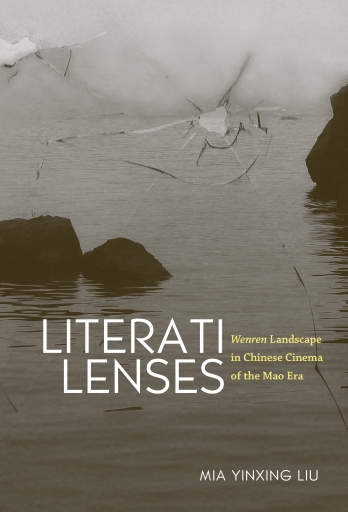
Literati Lenses
Pubblicato da University of Hawaii Press
English
2019
ISBN 9780824859855
eBook
Buy at Ebooks Yenny - El Ateneo
🇦🇷
 Association of University Presses - Tienda FILUNI
🇺🇸
Visita il negozio →
Association of University Presses - Tienda FILUNI
🇺🇸
Visita il negozio →
 Bajalibros Argentina
🇦🇷
Visita il negozio →
Bajalibros Argentina
🇦🇷
Visita il negozio →
 Bajalibros Latam
🇺🇸
Visita il negozio →
Bajalibros Latam
🇺🇸
Visita il negozio →
 Bookshop Uruguay
🇺🇾
Visita il negozio →
Bookshop Uruguay
🇺🇾
Visita il negozio →
 Catademic
🇺🇸
Visita il negozio →
Catademic
🇺🇸
Visita il negozio →
Disponibile in 13 librerie
Association of University Presses - Tienda FILUNI
🇺🇸
Visita il negozio →
Bajalibros Argentina
🇦🇷
Visita il negozio →
Bajalibros Latam
🇺🇸
Visita il negozio →
Bookshop Uruguay
🇺🇾
Visita il negozio →
Catademic
🇺🇸
Visita il negozio →








Informazioni su questo libro
Chinese cinema has a long history of engagement with China’s art traditions, and literati (wenren) landscape painting has been an enduring source of inspiration. Literati Lenses explores this interplay during the Mao era, a time when cinema, at the forefront of ideological campaigns and purges, was held to strict political guidelines. Through four films—Li Shizhen (1956), Stage Sisters (1964), Early Spring in February (1963), and Legend of Tianyun Mountain (1979)—Mia Liu reveals how landscape offered an alternative text that could operate beyond political constraints and provide a portal for smuggling interesting discourses into the film. While allusions to pictorial traditions associated with a bygone era inevitably took on different meanings in the context of Mao-era cinema, cinematic engagement with literati landscape endowed films with creative and critical space as well as political poignancy. Liu not only identifies how the conventions and aesthetics of traditional literati landscape art were reinvented and mediated on multiple levels in cinema, but also explores how post-1949 Chinese filmmakers configured themselves as modern intellectuals in the spaces forged among the vestiges of the old. In the process, she deepens her analysis, suggesting that landscape be seen as an allegory of human life, a mirror of the age, and a commentary on national affairs.
Disponibilità
Literati Lenses è disponibile come eBook in 13 librerie online. Tra le librerie che lo vendono ci sono Association of University Presses - Tienda FILUNI, Bajalibros Argentina, Bajalibros Latam.
- Lingua
- English
Condividi
Domande frequenti
- In quali formati è disponibile Literati Lenses?
- Literati Lenses è disponibile come eBook in 13 librerie online.
- Dove posso comprare Literati Lenses?
- Puoi comprare Literati Lenses su Association of University Presses - Tienda FILUNI, Bajalibros Argentina, Bajalibros Latam. Confronta tutte le opzioni nell’elenco di questa pagina.
Valutazioni e recensioni
Ancora nessuna valutazione. Sii il primo a recensire questo libro.
Accedi per valutare e recensire questo libro.