Mary, the Devil, and Taro
Pubblicato da University of Hawaii Press
English
209 pagine
2010
ISBN 9780824860516
PDF
Buy at Association of University Presses - Tienda FILUNI
🇺🇸
 Catademic
🇺🇸
Visita il negozio →
Catademic
🇺🇸
Visita il negozio →
 Bajalibros Latam
🇺🇸
Visita il negozio →
Bajalibros Latam
🇺🇸
Visita il negozio →
 Association of University Presses - Tienda FILUNI
🇺🇸
Visita il negozio →
Association of University Presses - Tienda FILUNI
🇺🇸
Visita il negozio →
 Ebooks Librería Antártica
🇨🇱
Visita il negozio →
Ebooks Librería Antártica
🇨🇱
Visita il negozio →
 Ebooks Agustin
🇪🇸
Visita il negozio →
Ebooks Agustin
🇪🇸
Visita il negozio →
 Bajalibros Argentina
🇦🇷
Visita il negozio →
Bajalibros Argentina
🇦🇷
Visita il negozio →
 Sanborns Ebooks
🇲🇽
Visita il negozio →
Sanborns Ebooks
🇲🇽
Visita il negozio →
 ebooks Libreria del GAM
🇨🇱
Visita il negozio →
ebooks Libreria del GAM
🇨🇱
Visita il negozio →
 Bookshop Uruguay
🇺🇾
Visita il negozio →
Bookshop Uruguay
🇺🇾
Visita il negozio →
 ebookskitapenas
🇬🇹
Visita il negozio →
ebookskitapenas
🇬🇹
Visita il negozio →
 Ebooks Yenny - El Ateneo
🇦🇷
Visita il negozio →
Ebooks Yenny - El Ateneo
🇦🇷
Visita il negozio →
 Crisol Ebooks
🇵🇪
Visita il negozio →
Crisol Ebooks
🇵🇪
Visita il negozio →
Disponibile in 12 librerie
Catademic
🇺🇸
Visita il negozio →
Bajalibros Latam
🇺🇸
Visita il negozio →
Association of University Presses - Tienda FILUNI
🇺🇸
Visita il negozio →
Ebooks Librería Antártica
🇨🇱
Visita il negozio →
Ebooks Agustin
🇪🇸
Visita il negozio →
Bajalibros Argentina
🇦🇷
Visita il negozio →
Sanborns Ebooks
🇲🇽
Visita il negozio →
ebooks Libreria del GAM
🇨🇱
Visita il negozio →
Bookshop Uruguay
🇺🇾
Visita il negozio →
ebookskitapenas
🇬🇹
Visita il negozio →
Ebooks Yenny - El Ateneo
🇦🇷
Visita il negozio →
Crisol Ebooks
🇵🇪
Visita il negozio →
Informazioni su questo libro
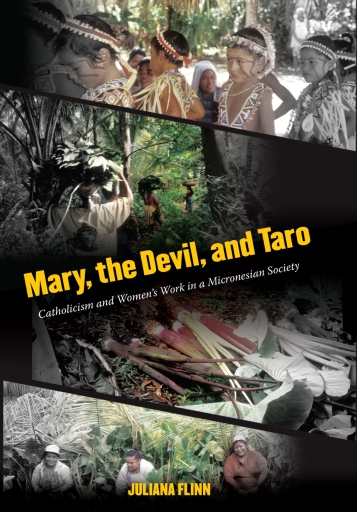
<p>Catholicism, like most world religions, is patriarchal, and its official hierarchies and sacred works too often neglect the lived experiences of women. Looking beyond these texts, Juliana Flinn reveals how women practice, interpret, and shape their own Catholicism on Pollap Atoll, part of Chuuk State in the Federated States of Micronesia. She focuses in particular on how the Pollapese shaping of Mary places value on indigenous notions of mothering that connote strength, active participation in food production, and the ability to provide for one’s family.<br><br>Flinn begins with an overview of the Feast of the Immaculate Conception on Pollap and an introduction to Mary, who is celebrated by islanders not as a biologized mother but as a productive one, resulting in an image of strength rather than meekness: For Pollapese women Mary is a vanquisher of Satan, a provider for her children, and a producer of critical resources, namely taro. The Feast of the Immaculate Conception validates and celebrates local notions of motherhood in ways that highlight productive activities. The role of women as producers in the community is extolled, but the event also provides and sanctions new opportunities for women, allowing them to speak publicly, exhibit creativity, and influence the behavior of others. A chapter devoted to the imagery of Mary and its connections to Pollapese notions of motherhood is followed by a conclusion that examines the implications of these for women’s ongoing productive roles, especially in comparison with Western notions and contexts in which women have been removed or excluded from production.<br><br><i>Mary, the Devil, and Taro</i> contributes significantly to the study of women’s religion and the appropriation of Christianity in local contexts. It will be welcomed by not only anthropologists and other scholars concerned with religion in the Pacific, but also those who study change in gender roles and Marian devotions in cross-cultural perspectives.</p>
Categorie
- Lingua
- English
Condividi