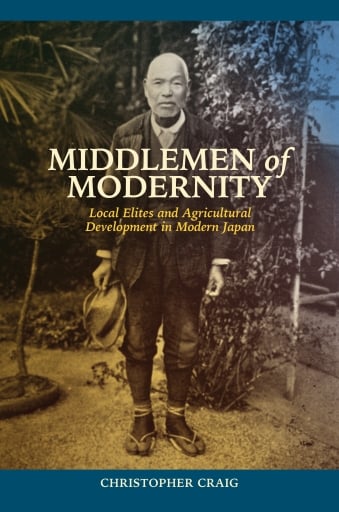
Middlemen of Modernity
Pubblicato da University of Hawaii Press
English
279 pagine
2021
ISBN 9780824889272
Tempo di lettura stimato: 5 h 7 min
PDF
Buy at Viubux
🇲🇽
 Association of University Presses - Tienda FILUNI
🇺🇸
Visita il negozio →
Association of University Presses - Tienda FILUNI
🇺🇸
Visita il negozio →
 Bajalibros Argentina
🇦🇷
Visita il negozio →
Bajalibros Argentina
🇦🇷
Visita il negozio →
 Bajalibros Latam
🇺🇸
Visita il negozio →
Bajalibros Latam
🇺🇸
Visita il negozio →
 Bookshop Uruguay
🇺🇾
Visita il negozio →
Bookshop Uruguay
🇺🇾
Visita il negozio →
 Catademic
🇺🇸
Visita il negozio →
Catademic
🇺🇸
Visita il negozio →
Disponibile in 13 librerie
Association of University Presses - Tienda FILUNI
🇺🇸
Visita il negozio →
Bajalibros Argentina
🇦🇷
Visita il negozio →
Bajalibros Latam
🇺🇸
Visita il negozio →
Bookshop Uruguay
🇺🇾
Visita il negozio →
Catademic
🇺🇸
Visita il negozio →








Informazioni su questo libro
Among the challenges facing Japan in its quest to match the modern states of the Western world, none was more crucial than the development of agriculture. With a state focused more on the emblematic goals of mechanization, urbanization, and a modern military, it fell upon local elites in villages across the country to bring rice production into the modern era. Middlemen of Modernity explores these elites and their actions in a region in northeastern Japan, presenting a view of the transformation of Japanese agriculture from the late nineteenth century to the mid-twentieth century. Meiji-era agricultural policy called for village elites to mobilize their wealth and local reputations to introduce improved farming methods, transform the physical landscape, and increase agricultural production. Farmers looked to the same figures to use their elevated status and government connections to direct public funds toward building prosperous villages. But economic shocks and social change created a new generation of elites with their own vision for agricultural improvement, leading to conditions that caused famine, economic disparity, and village unrest. The official and local responses to these discrepancies brought an end to the elite leadership of agricultural development at the beginning of the twentieth century, but its legacy set the course for farming and rural Japanese society for the next half century.
Middlemen of Modernity offers a new perspective on Japanese modernization, one in which farming villages were neither premodern relics nor secondary concerns for the architects of the new nation. Modernity was worked out in the mud of rice paddies, as much as in any stateroom or factory, and the communities of Miyagi and villages throughout Japan helped shape the modern state, even as they were shaped by it. Mining a wealth of local sources, Christopher Craig provides a comprehensive study studded with stories of individual actors that remains closely connected to Japan's development and presents a history of agriculture from the early Meiji period to the postwar American occupation. Craig also engages with scholarship in environmental history and food studies, and his detailed treatment of the interactions between local villagers and central bureaucrats makes a valuable contribution to studies of state-society relations.
Disponibilità
Middlemen of Modernity è disponibile come PDF in 13 librerie online. Tra le librerie che lo vendono ci sono Association of University Presses - Tienda FILUNI, Bajalibros Argentina, Bajalibros Latam.
Categorie
- Lingua
- English
Condividi
Domande frequenti
- In quali formati è disponibile Middlemen of Modernity?
- Middlemen of Modernity è disponibile come PDF in 13 librerie online.
- Dove posso comprare Middlemen of Modernity?
- Puoi comprare Middlemen of Modernity su Association of University Presses - Tienda FILUNI, Bajalibros Argentina, Bajalibros Latam. Confronta tutte le opzioni nell’elenco di questa pagina.
- Quanto tempo ci vuole per leggere Middlemen of Modernity?
- A un ritmo di lettura medio, Middlemen of Modernity si legge in circa 5 h 7 min (279 pagine).
Valutazioni e recensioni
Ancora nessuna valutazione. Sii il primo a recensire questo libro.
Accedi per valutare e recensire questo libro.