
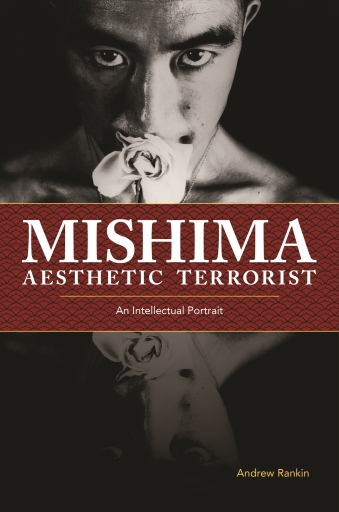
Mishima, Aesthetic Terrorist
Pubblicato da University of Hawaii Press
Disponibile in 13 librerie
 Association of University Presses - Tienda FILUNI
🇺🇸
Visita il negozio →
Association of University Presses - Tienda FILUNI
🇺🇸
Visita il negozio →
 Bajalibros Argentina
🇦🇷
Visita il negozio →
Bajalibros Argentina
🇦🇷
Visita il negozio →
 Bajalibros Latam
🇺🇸
Visita il negozio →
Bajalibros Latam
🇺🇸
Visita il negozio →
 Bookshop Uruguay
🇺🇾
Visita il negozio →
Bookshop Uruguay
🇺🇾
Visita il negozio →
 Catademic
🇺🇸
Visita il negozio →
Catademic
🇺🇸
Visita il negozio →








Informazioni su questo libro
Disponibilità
Mishima, Aesthetic Terrorist è disponibile come PDF in 13 librerie online. Tra le librerie che lo vendono ci sono Association of University Presses - Tienda FILUNI, Bajalibros Argentina, Bajalibros Latam.
Categorie
- Lingua
- English
Domande frequenti
- In quali formati è disponibile Mishima, Aesthetic Terrorist?
- Mishima, Aesthetic Terrorist è disponibile come PDF in 13 librerie online.
- Dove posso comprare Mishima, Aesthetic Terrorist?
- Puoi comprare Mishima, Aesthetic Terrorist su Association of University Presses - Tienda FILUNI, Bajalibros Argentina, Bajalibros Latam. Confronta tutte le opzioni nell’elenco di questa pagina.
- Quanto tempo ci vuole per leggere Mishima, Aesthetic Terrorist?
- A un ritmo di lettura medio, Mishima, Aesthetic Terrorist si legge in circa 3 h 59 min (217 pagine).
Valutazioni e recensioni
Ancora nessuna valutazione. Sii il primo a recensire questo libro.
Accedi per valutare e recensire questo libro.
Potrebbe piacerti anche

El enigma inaugural
Enrique Robertson

A autobiografia de Alice B. Toklas
Stein, Gertrude, Persson, Milton
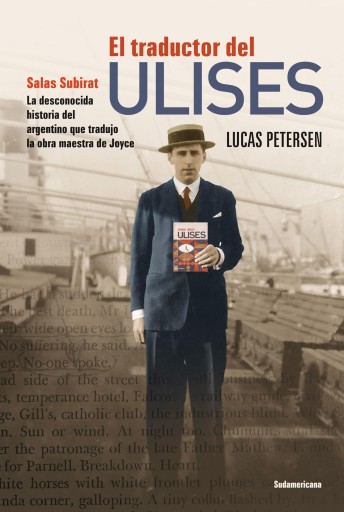
El traductor del Ulises
Petersen, Lucas

Dos ciudades en Julio Cortázar
Herráez, Miguel
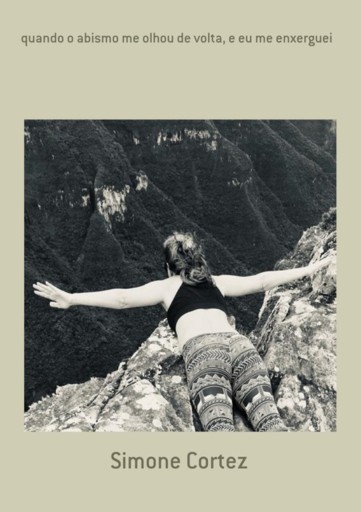
Quando O Abismo Me Olhou De Volta, E Eu Me Enxerguei
Cortez, Simone

The Collected Biographies of Eminent Victorians
Strachey, Lytton