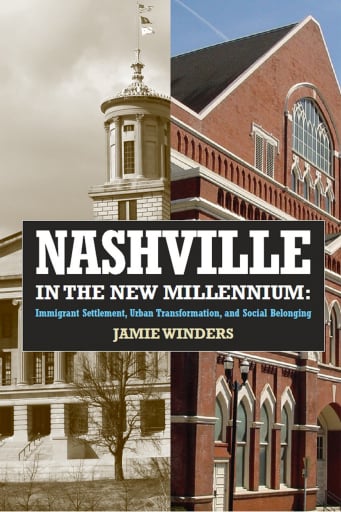
Nashville in the New Millennium
Pubblicato da Russell Sage Foundation
English
2013
ISBN 9781610448024
eBook
Buy at Association of University Presses - Tienda FILUNI
🇺🇸
Catademic
🇺🇸
Visita il negozio →
Bajalibros Latam
🇺🇸
Visita il negozio →
Association of University Presses - Tienda FILUNI
🇺🇸
Visita il negozio →
Ebooks Librería Antártica
🇨🇱
Visita il negozio →
Ebooks Agustin
🇪🇸
Visita il negozio →
Bajalibros Argentina
🇦🇷
Visita il negozio →

Sanborns Ebooks
🇲🇽
Visita il negozio →
ebooks Libreria del GAM
🇨🇱
Visita il negozio →
Bookshop Uruguay
🇺🇾
Visita il negozio →

ebookskitapenas
🇬🇹
Visita il negozio →
Ebooks Yenny - El Ateneo
🇦🇷
Visita il negozio →
Crisol Ebooks
🇵🇪
Visita il negozio →
Disponibile in 12 librerie
Catademic
🇺🇸
Visita il negozio →

Association of University Presses - Tienda FILUNI
🇺🇸
Visita il negozio →
Ebooks Librería Antártica
🇨🇱
Visita il negozio →
Ebooks Agustin
🇪🇸
Visita il negozio →
Sanborns Ebooks
🇲🇽
Visita il negozio →
ebooks Libreria del GAM
🇨🇱
Visita il negozio →
ebookskitapenas
🇬🇹
Visita il negozio →
Ebooks Yenny - El Ateneo
🇦🇷
Visita il negozio →
Crisol Ebooks
🇵🇪
Visita il negozio →
Informazioni su questo libro
<div>Beginning in the 1990s, the geography of Latino migration to and within the United States started to shift. Immigrants from Central and South America increasingly bypassed the traditional gateway cities to settle in small cities, towns, and rural areas throughout the nation, particularly in the South. One popular new destination—Nashville, Tennessee—saw its Hispanic population increase by over 400 percent between 1990 and 2000. Nashville, like many other such new immigrant destinations, had little to no history of incorporating immigrants into local life. How did Nashville, as a city and society, respond to immigrant settlement? How did Latino immigrants come to understand their place in Nashville in the midst of this remarkable demographic change? In Nashville in the New Millennium, geographer Jamie Winders offers one of the first extended studies of the cultural, racial, and institutional politics of immigrant incorporation in a new urban destination. Moving from schools to neighborhoods to Nashville’s wider civic institutions, Nashville in the New Millennium details how Nashville’s long-term residents and its new immigrants experienced daily life as it transformed into a multicultural city with a new cosmopolitanism. Using an impressive array of methods, including archival work, interviews, and participant observation, Winders offers a fine-grained analysis of the importance of historical context, collective memories and shared social spaces in the process of immigrant incorporation. Lacking a shared memory of immigrant settlement, Nashville’s long-term residents turned to local history to explain and interpret a new Latino presence. A site where Latino day laborers gathered, for example, became a flashpoint in Nashville’s politics of immigration in part because the area had once been a popular gathering place for area teenagers in the 1960s and 1970s. Teachers also drew from local historical memories, particularly the busing era, to make sense of their newly multicultural student body. They struggled, however, to help immigrant students relate to the region’s complicated racial past, especially during history lessons on the Jim Crow era and the Civil Rights movement. When Winders turns to life in Nashville’s neighborhoods, she finds that many Latino immigrants opted to be quiet in public, partly in response to negative stereotypes of Hispanics across Nashville. Long-term residents, however, viewed this silence as evidence of a failure to adapt to local norms of being neighborly. Filled with voices from both long-term residents and Latino immigrants, Nashville in the New Millennium offers an intimate portrait of the changing geography of immigrant settlement in America. It provides a comprehensive picture of Latino migration’s impact on race relations in the country and is an especially valuable contribution to the study of race and ethnicity in the South.</div>
- Lingua
- English
Condividi
Potrebbe piacerti anche
O martelo das feiticeiras
Kramer, Heinrich, Sprenger, James
Aposentadoria, Cotidiano e Espaços Urbanos: Vivências na Cidade de Florianópolis
Costa, Aline Bogoni, Soares, Dulce Helena Penna
Os índios e a civilização
Ribeiro, Darcy
As Ideias que Formaram a Civilização Ocidental
de Souza, Roberto Pinto
Narcotráfico, financiación política y corrupción
Cepeda Ulloa, Fernando
Anarquía relacional
Pérez Cortés, Juan Carlos