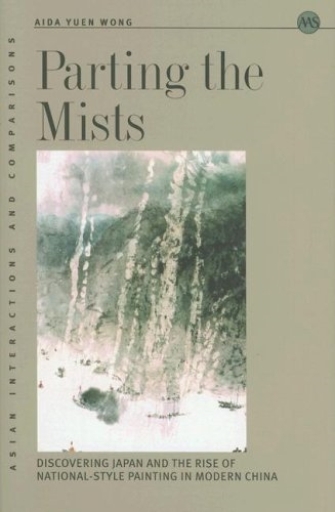
Parting the Mists
Pubblicato da University of Hawaii Press
English
216 pagine
2006
ISBN 9780824845360
PDF
Buy at Bajalibros Latam
🇺🇸
 Catademic
🇺🇸
Visita il negozio →
Catademic
🇺🇸
Visita il negozio →
 Bajalibros Latam
🇺🇸
Visita il negozio →
Bajalibros Latam
🇺🇸
Visita il negozio →
 Association of University Presses - Tienda FILUNI
🇺🇸
Visita il negozio →
Association of University Presses - Tienda FILUNI
🇺🇸
Visita il negozio →
 Ebooks Librería Antártica
🇨🇱
Visita il negozio →
Ebooks Librería Antártica
🇨🇱
Visita il negozio →
 Ebooks Agustin
🇪🇸
Visita il negozio →
Ebooks Agustin
🇪🇸
Visita il negozio →
 Bajalibros Argentina
🇦🇷
Visita il negozio →
Bajalibros Argentina
🇦🇷
Visita il negozio →
 Sanborns Ebooks
🇲🇽
Visita il negozio →
Sanborns Ebooks
🇲🇽
Visita il negozio →
 ebooks Libreria del GAM
🇨🇱
Visita il negozio →
ebooks Libreria del GAM
🇨🇱
Visita il negozio →
 Bookshop Uruguay
🇺🇾
Visita il negozio →
Bookshop Uruguay
🇺🇾
Visita il negozio →
 ebookskitapenas
🇬🇹
Visita il negozio →
ebookskitapenas
🇬🇹
Visita il negozio →
 Ebooks Yenny - El Ateneo
🇦🇷
Visita il negozio →
Ebooks Yenny - El Ateneo
🇦🇷
Visita il negozio →
 Crisol Ebooks
🇵🇪
Visita il negozio →
Crisol Ebooks
🇵🇪
Visita il negozio →
Disponibile in 12 librerie
Catademic
🇺🇸
Visita il negozio →
Bajalibros Latam
🇺🇸
Visita il negozio →
Association of University Presses - Tienda FILUNI
🇺🇸
Visita il negozio →
Ebooks Librería Antártica
🇨🇱
Visita il negozio →
Ebooks Agustin
🇪🇸
Visita il negozio →
Bajalibros Argentina
🇦🇷
Visita il negozio →
Sanborns Ebooks
🇲🇽
Visita il negozio →
ebooks Libreria del GAM
🇨🇱
Visita il negozio →
Bookshop Uruguay
🇺🇾
Visita il negozio →
ebookskitapenas
🇬🇹
Visita il negozio →
Ebooks Yenny - El Ateneo
🇦🇷
Visita il negozio →
Crisol Ebooks
🇵🇪
Visita il negozio →
Informazioni su questo libro
<p>In <i>Parting the Mists</i>, Aida Yuen Wong makes a convincing argument that the forging of a national tradition in modern China was frequently pursued in association with rather than in rejection of Japan. The focus of her book is on Japan’s integral role in the invention of "national-style painting," or <i>guohua,</i> in early-twentieth-century China. <i>Guohua</i>, referring to brush paintings on traditional formats, is often misconstrued as a residual conservatism from the dynastic age that barricaded itself within classical traditions. Wong places this art form at the forefront of cross-cultural exchange. Notable proponents of <i>guohua</i> (e.g., Chen Hengke, Jin Cheng, Fu Baoshi, and Gao Jianfu) are discussed in connection with Japan, where they discovered stylistic and ideological paradigms consonant with the empowering of "Asian/Oriental" cultural practices against the backdrop of encroaching westernization. Not just a "window on the West," Japan stood as an informant of China modernism in its own right.<br><br>The first book in English devoted to Sino-Japanese dialogues in modern art, <i>Parting the Mists</i> explores the sensitive phenomenon of Japanism in the practice and theory of Chinese painting. Wong carries out a methodologically agile study that sheds light on multiple spheres: stylistic and iconographic innovations, history writing, art theory, patronage and the market, geopolitics, the creation of artists’ societies, and exhibitions. Without avoiding the dark history of Japanese imperialism, she provides a nuanced reading of Chinese views about Japan and the two countries’ convergent, and often colliding, courses of nationalism.</p>
Categorie
- Lingua
- English
Condividi