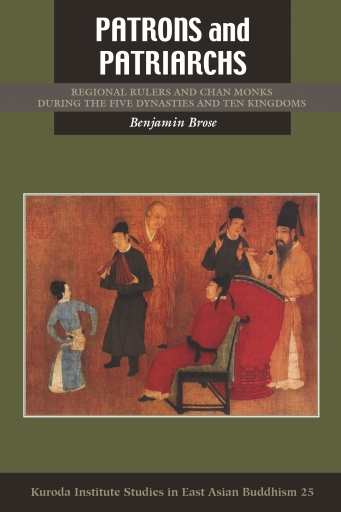
Patrons and Patriarchs
Pubblicato da University of Hawaii Press
English
265 pagine
2015
ISBN 9780824857240
Tempo di lettura stimato: 4 h 52 min
PDF
Buy at Bajalibros Argentina
🇦🇷
 Association of University Presses - Tienda FILUNI
🇺🇸
Visita il negozio →
Association of University Presses - Tienda FILUNI
🇺🇸
Visita il negozio →
 Bajalibros Latam
🇺🇸
Visita il negozio →
Bajalibros Latam
🇺🇸
Visita il negozio →
 Bookshop Uruguay
🇺🇾
Visita il negozio →
Bookshop Uruguay
🇺🇾
Visita il negozio →
 Catademic
🇺🇸
Visita il negozio →
Catademic
🇺🇸
Visita il negozio →
Disponibile in 13 librerie
Association of University Presses - Tienda FILUNI
🇺🇸
Visita il negozio →
 Bajalibros Latam
🇺🇸
Visita il negozio →
Bookshop Uruguay
🇺🇾
Visita il negozio →
Catademic
🇺🇸
Visita il negozio →
Bajalibros Latam
🇺🇸
Visita il negozio →
Bookshop Uruguay
🇺🇾
Visita il negozio →
Catademic
🇺🇸
Visita il negozio →








Informazioni su questo libro
Patrons and Patriarchs breaks new ground in the study of clergy-court relations during the tumultuous period that spanned the collapse of the Tang dynasty (618–907) and the consolidation of the Northern Song (960–1127). This era, known as the Five Dynasties and Ten Kingdoms, has typically been characterized as a time of debilitating violence and instability, but it also brought increased economic prosperity, regional development, and political autonomy to southern territories.
The book describes how the formation of new states in southeastern China elevated local Buddhist traditions and moved Chan (Zen) monks from the margins to the center of Chinese society. Drawing on biographies, inscriptions, private histories, and government records, it argues that the shift in imperial patronage from a diverse array of Buddhist clerics to members of specific Chan lineages was driven by political, social, and geographical reorientations set in motion by the collapse of the Tang dynasty and the consolidation of regional powers during the Five Dynasties and Ten Kingdoms. As monastic communities representing diverse arrays of thought, practice, and pedagogy allied with rival political factions, the outcome of power struggles determined which clerical networks assumed positions of power and which doctrines were enshrined as orthodoxy. Rather than view the ascent of Chan monks and their traditions as instances of intellectual hegemony, this book focuses on the larger sociopolitical processes that lifted members of Chan lineages onto the imperial stage. Against the historical backdrop of the tenth century, Patrons and Patriarchs explores the nature and function of Chan lineage systems, the relationships between monastic and lay families, and the place of patronage in establishing identity and authority in monastic movements.
Disponibilità
Patrons and Patriarchs è disponibile come PDF in 13 librerie online. Tra le librerie che lo vendono ci sono Association of University Presses - Tienda FILUNI, Bajalibros Argentina, Bajalibros Latam.
Categorie
- Lingua
- English
Condividi
Domande frequenti
- In quali formati è disponibile Patrons and Patriarchs?
- Patrons and Patriarchs è disponibile come PDF in 13 librerie online.
- Dove posso comprare Patrons and Patriarchs?
- Puoi comprare Patrons and Patriarchs su Association of University Presses - Tienda FILUNI, Bajalibros Argentina, Bajalibros Latam. Confronta tutte le opzioni nell’elenco di questa pagina.
- Quanto tempo ci vuole per leggere Patrons and Patriarchs?
- A un ritmo di lettura medio, Patrons and Patriarchs si legge in circa 4 h 52 min (265 pagine).
Valutazioni e recensioni
Ancora nessuna valutazione. Sii il primo a recensire questo libro.
Accedi per valutare e recensire questo libro.