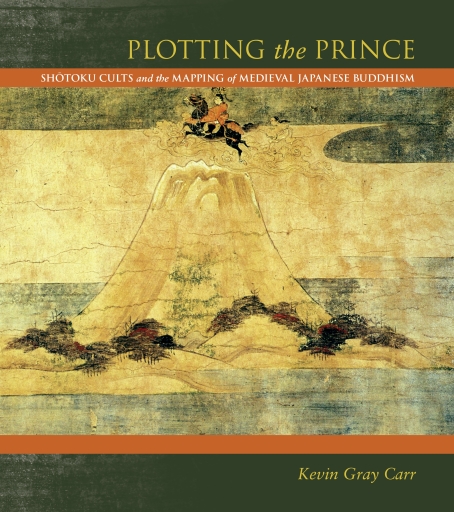
Plotting the Prince
Pubblicato da University of Hawaii Press
English
262 pagine
2012
ISBN 9780824865726
PDF
Buy at Association of University Presses - Tienda FILUNI
🇺🇸
 Catademic
🇺🇸
Visita il negozio →
Catademic
🇺🇸
Visita il negozio →
 Bajalibros Latam
🇺🇸
Visita il negozio →
Bajalibros Latam
🇺🇸
Visita il negozio →
 Association of University Presses - Tienda FILUNI
🇺🇸
Visita il negozio →
Association of University Presses - Tienda FILUNI
🇺🇸
Visita il negozio →
 Ebooks Librería Antártica
🇨🇱
Visita il negozio →
Ebooks Librería Antártica
🇨🇱
Visita il negozio →
 Ebooks Agustin
🇪🇸
Visita il negozio →
Ebooks Agustin
🇪🇸
Visita il negozio →
 Bajalibros Argentina
🇦🇷
Visita il negozio →
Bajalibros Argentina
🇦🇷
Visita il negozio →
 Sanborns Ebooks
🇲🇽
Visita il negozio →
Sanborns Ebooks
🇲🇽
Visita il negozio →
 ebooks Libreria del GAM
🇨🇱
Visita il negozio →
ebooks Libreria del GAM
🇨🇱
Visita il negozio →
 Bookshop Uruguay
🇺🇾
Visita il negozio →
Bookshop Uruguay
🇺🇾
Visita il negozio →
 ebookskitapenas
🇬🇹
Visita il negozio →
ebookskitapenas
🇬🇹
Visita il negozio →
 Ebooks Yenny - El Ateneo
🇦🇷
Visita il negozio →
Ebooks Yenny - El Ateneo
🇦🇷
Visita il negozio →
 Crisol Ebooks
🇵🇪
Visita il negozio →
Crisol Ebooks
🇵🇪
Visita il negozio →
Disponibile in 12 librerie
Catademic
🇺🇸
Visita il negozio →
Bajalibros Latam
🇺🇸
Visita il negozio →
Association of University Presses - Tienda FILUNI
🇺🇸
Visita il negozio →
Ebooks Librería Antártica
🇨🇱
Visita il negozio →
Ebooks Agustin
🇪🇸
Visita il negozio →
Bajalibros Argentina
🇦🇷
Visita il negozio →
Sanborns Ebooks
🇲🇽
Visita il negozio →
ebooks Libreria del GAM
🇨🇱
Visita il negozio →
Bookshop Uruguay
🇺🇾
Visita il negozio →
ebookskitapenas
🇬🇹
Visita il negozio →
Ebooks Yenny - El Ateneo
🇦🇷
Visita il negozio →
Crisol Ebooks
🇵🇪
Visita il negozio →
Informazioni su questo libro
<p><i>Plotting the Prince</i> traces the development of conceptual maps of the world created through the telling of stories about Prince Shōtoku (573?–622?), an eminent statesman who is credited with founding Buddhism in Japan. It analyzes his place in the sacred landscape and the material relics of the cult of personality dedicated to him, focusing on the art created from the tenth to fourteenth centuries. The book asks not only who Shōtoku was, but also how images of his life served the needs of devotees in early medieval Japan.<br><br>Even today Shōtoku evokes images of a half-real, half-mythical figure who embodied the highest political, social, and religious ideals. Taking up his story about four centuries after his death, this study traces the genesis and progression of Shōtoku’s sacred personas in art to illustrate their connection to major religious centers such as Shitenno-ji and Hōryū-ji. It argues that mapping and storytelling are sister acts—both structuring the world in subtle but compelling ways—that combined in visual narratives of Shōtoku’s life to shape conceptions of religious legitimacy, communal history, and sacred geography.<br><br><i>Plotting the Prince</i> introduces much new material and presents provocative interpretations that call upon art historians to rethink fundamental conceptions of narrative and cultic imagery. It offers social and political historians a textured look at the creation of communal identities on both local and state levels, scholars of religion a substantially new way of understanding key developments in doctrine and practice, and those studying the past in general a clear instance of visual hagiography taking precedence over the textual tradition.</p>
- Lingua
- English
Condividi