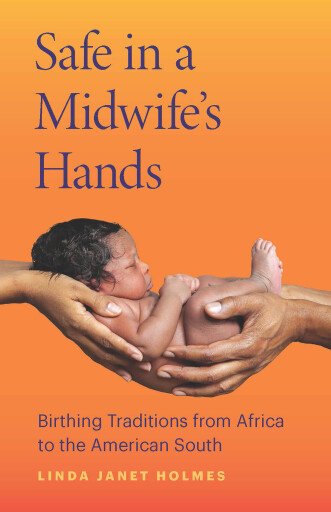
Safe in a Midwife's Hands
Pubblicato da Ohio State University Press
English
2023
ISBN 9780814282786
eBook
Buy at Bajalibros Latam
🇺🇸
 Catademic
🇺🇸
Visita il negozio →
Catademic
🇺🇸
Visita il negozio →
 Bajalibros Latam
🇺🇸
Visita il negozio →
Bajalibros Latam
🇺🇸
Visita il negozio →
 Association of University Presses - Tienda FILUNI
🇺🇸
Visita il negozio →
Association of University Presses - Tienda FILUNI
🇺🇸
Visita il negozio →
 Ebooks Librería Antártica
🇨🇱
Visita il negozio →
Ebooks Librería Antártica
🇨🇱
Visita il negozio →
 Ebooks Agustin
🇪🇸
Visita il negozio →
Ebooks Agustin
🇪🇸
Visita il negozio →
 Bajalibros Argentina
🇦🇷
Visita il negozio →
Bajalibros Argentina
🇦🇷
Visita il negozio →
 Sanborns Ebooks
🇲🇽
Visita il negozio →
Sanborns Ebooks
🇲🇽
Visita il negozio →
 ebooks Libreria del GAM
🇨🇱
Visita il negozio →
ebooks Libreria del GAM
🇨🇱
Visita il negozio →
 Bookshop Uruguay
🇺🇾
Visita il negozio →
Bookshop Uruguay
🇺🇾
Visita il negozio →
 ebookskitapenas
🇬🇹
Visita il negozio →
ebookskitapenas
🇬🇹
Visita il negozio →
 Ebooks Yenny - El Ateneo
🇦🇷
Visita il negozio →
Ebooks Yenny - El Ateneo
🇦🇷
Visita il negozio →
 Crisol Ebooks
🇵🇪
Visita il negozio →
Crisol Ebooks
🇵🇪
Visita il negozio →
Disponibile in 12 librerie
Catademic
🇺🇸
Visita il negozio →
Bajalibros Latam
🇺🇸
Visita il negozio →
Association of University Presses - Tienda FILUNI
🇺🇸
Visita il negozio →
Ebooks Librería Antártica
🇨🇱
Visita il negozio →
Ebooks Agustin
🇪🇸
Visita il negozio →
Bajalibros Argentina
🇦🇷
Visita il negozio →
Sanborns Ebooks
🇲🇽
Visita il negozio →
ebooks Libreria del GAM
🇨🇱
Visita il negozio →
Bookshop Uruguay
🇺🇾
Visita il negozio →
ebookskitapenas
🇬🇹
Visita il negozio →
Ebooks Yenny - El Ateneo
🇦🇷
Visita il negozio →
Crisol Ebooks
🇵🇪
Visita il negozio →
Informazioni su questo libro
<div><b>A</b> <b><i>Ms. Magazine</i></b> <b>“Most Anticipated Feminist Book of 2023”</b> After a less-than-positive experience giving birth as a Black woman in the 1970s, Linda Janet Holmes launched a lifetime of work as an activist dedicated to learning about and honoring alternative birth traditions and the Black women behind them. <i>Safe in a Midwife’s Hands</i> brings together what Holmes has gleaned from the countless midwives who have shared with her their experiences, at a time when their knowledge and holistic approaches are essential counterbalances to a medical system that routinely fails Black mothers and babies. Building on work she began in the 1980s, when she interviewed traditional Black midwives in Alabama and Virginia, Holmes traveled to Ghana, Ethiopia, and Kenya to visit midwives there. In detailing their work, from massage to the uses of medicinal plants to naming ceremonies, she links their voices to those of midwives and doulas in the US. She thus illuminates parallels between birthing traditions that have survived hundreds of years of colonialism, enslavement, Jim Crow, and ongoing medical racism to persist as vital cultural practices that promote healthy outcomes for mothers and babies during pregnancy, birth, and beyond.</div>
- Lingua
- English
Condividi