
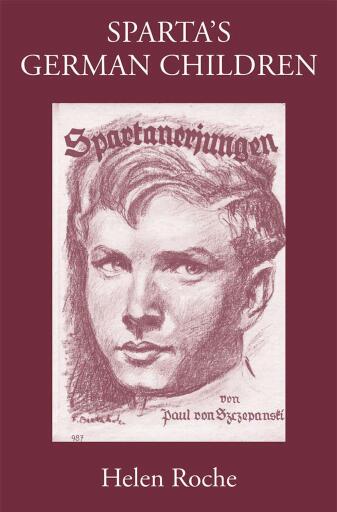
Sparta's German Children
Di Roche, Helen
Pubblicato da The Classical Press of Wales
English
318 pagine
2013
ISBN 9781910589175
PDF
Buy at LORANCHBOOKSTORE
🇺🇸
 Catademic
🇺🇸
Visita il negozio →
Catademic
🇺🇸
Visita il negozio →
 Bajalibros Latam
🇺🇸
Visita il negozio →
Bajalibros Latam
🇺🇸
Visita il negozio →
 LORANCHBOOKSTORE
🇺🇸
Visita il negozio →
LORANCHBOOKSTORE
🇺🇸
Visita il negozio →
 Ebooks Librería Carlos Fuentes
🇲🇽
Visita il negozio →
Ebooks Librería Carlos Fuentes
🇲🇽
Visita il negozio →
 ebooks libreria española
🇪🇨
Visita il negozio →
ebooks libreria española
🇪🇨
Visita il negozio →
 Bajalibros Argentina
🇦🇷
Visita il negozio →
Bajalibros Argentina
🇦🇷
Visita il negozio →
 Alpha Books
🇨🇴
Visita il negozio →
Alpha Books
🇨🇴
Visita il negozio →
 Sanborns Ebooks
🇲🇽
Visita il negozio →
Sanborns Ebooks
🇲🇽
Visita il negozio →
 ebooks Libreria del GAM
🇨🇱
Visita il negozio →
ebooks Libreria del GAM
🇨🇱
Visita il negozio →
 Bookshop Uruguay
🇺🇾
Visita il negozio →
Bookshop Uruguay
🇺🇾
Visita il negozio →
 Ebooks Yenny - El Ateneo
🇦🇷
Visita il negozio →
Ebooks Yenny - El Ateneo
🇦🇷
Visita il negozio →
 Crisol Ebooks
🇵🇪
Visita il negozio →
Crisol Ebooks
🇵🇪
Visita il negozio →
Disponibile in 12 librerie
Catademic
🇺🇸
Visita il negozio →
Bajalibros Latam
🇺🇸
Visita il negozio →
LORANCHBOOKSTORE
🇺🇸
Visita il negozio →
Ebooks Librería Carlos Fuentes
🇲🇽
Visita il negozio →
ebooks libreria española
🇪🇨
Visita il negozio →
Bajalibros Argentina
🇦🇷
Visita il negozio →
Alpha Books
🇨🇴
Visita il negozio →
Sanborns Ebooks
🇲🇽
Visita il negozio →
ebooks Libreria del GAM
🇨🇱
Visita il negozio →
Bookshop Uruguay
🇺🇾
Visita il negozio →
Ebooks Yenny - El Ateneo
🇦🇷
Visita il negozio →
Crisol Ebooks
🇵🇪
Visita il negozio →
Informazioni su questo libro
From the eighteenth century until 1945, German children were taught to model themselves on the young of an Ancient Greek city-state: Sparta. From older children, from teachers in the classroom, and from higher authority first in Prussia, then in Imperial and National Socialist Germany, came images of Sparta designed to inculcate ideals of endurance, discipline and of military self-sacrifice. Identification with Sparta could also be used to justify ideas of domination over Germany's eastern neighbours. Helen Roche is the first to examine this still sensitive topic systematically and in depth. She collects and analyses official and published German evocations of Sparta but also, and remarkably, reconstructs the experiences of German children taught to be 'little Spartans' in the Prussian Cadet Corps and National Socialist elite schools, the Napolas. In treating the final, and gravest, period of this process, the author has personally collected testimony from numerous surviving German witnesses who attended the Napolas as children in the early 1940s. That testimony is presented here, in a work which is likely to proof definitive, not only for its treasury of new information, but for its elegant - and humane - analysis.
- Lingua
- English
Condividi
Potrebbe piacerti anche
Ancient Greek Mythology
Tatlock, Jessie M.

Norma, ley y conflicto en sociedades premodernas
Miceli, Paola, Dell'Elcine, Eleonora
Las Helénicas; ó, Historia griega desde el año 411 hasta el 362 antes de Jesucristo
Xenophon

Cuando los filósofos políticos se equivocan
Lariguet Guillermo

La lengua de los dioses
Marcolongo, Andrea
La guerra civil ateniense
Canfora, Luciano