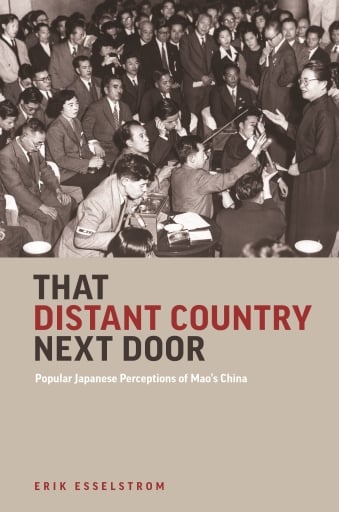
That Distant Country Next Door
Pubblicato da University of Hawaii Press
English
2019
ISBN 9780824879556
eBook
Buy at Catademic
🇺🇸
 Association of University Presses - Tienda FILUNI
🇺🇸
Visita il negozio →
Association of University Presses - Tienda FILUNI
🇺🇸
Visita il negozio →
 Bajalibros Argentina
🇦🇷
Visita il negozio →
Bajalibros Argentina
🇦🇷
Visita il negozio →
 Bajalibros Latam
🇺🇸
Visita il negozio →
Bajalibros Latam
🇺🇸
Visita il negozio →
 Bookshop Uruguay
🇺🇾
Visita il negozio →
Bookshop Uruguay
🇺🇾
Visita il negozio →
Disponibile in 13 librerie
Association of University Presses - Tienda FILUNI
🇺🇸
Visita il negozio →
Bajalibros Argentina
🇦🇷
Visita il negozio →
Bajalibros Latam
🇺🇸
Visita il negozio →
Bookshop Uruguay
🇺🇾
Visita il negozio →









Informazioni su questo libro
Japan’s road to war in China in the 1930s–1940s is well known, as are the legacies of that conflict in the diplomatic disputes, territorial rows, and educational policy battles between Japan and China since the 1980s. Less understood is the nature of Japan-China relations in the intervening decades. How did a popular Japanese perception of China that facilitated imperial aggression become one that embraced restoring friendly diplomatic ties and cultivating mutually beneficial economic and cultural interactions? Exploring everyday Japanese impressions of the People’s Republic of China from the end of the U.S. Occupation in 1952 to normalization of Japan-China relations in 1972, this book analyzes representations of the PRC in Japanese print media and visual culture in connection with four topics: the 1954 visit to Japan by Minister of Health Li Dequan, China’s atomic weapons testing in 1964–1967, the Red Guard movement of the early Cultural Revolution years, and the culture of continental “rediscovery” in 1971–1972.
Japanese views of China under Mao were infused with elements of thematic and conceptual continuity linking the prewar, wartime, and postwar eras. In sketching out a portrait of these elements, Erik Esselstrom explains how the reconstruction of Japan’s relationship with China included more than just the trials and tribulations of Cold War diplomacy. In so doing, he reintegrates postwar Japan-China relations within the longer history of East Asian cultural interaction and engagement.
Disponibilità
That Distant Country Next Door è disponibile come eBook in 13 librerie online. Tra le librerie che lo vendono ci sono Association of University Presses - Tienda FILUNI, Bajalibros Argentina, Bajalibros Latam.
- Lingua
- English
Condividi
Domande frequenti
- In quali formati è disponibile That Distant Country Next Door?
- That Distant Country Next Door è disponibile come eBook in 13 librerie online.
- Dove posso comprare That Distant Country Next Door?
- Puoi comprare That Distant Country Next Door su Association of University Presses - Tienda FILUNI, Bajalibros Argentina, Bajalibros Latam. Confronta tutte le opzioni nell’elenco di questa pagina.
Valutazioni e recensioni
Ancora nessuna valutazione. Sii il primo a recensire questo libro.
Accedi per valutare e recensire questo libro.