The Covenant of Redemption
Pubblicato da Vandenhoeck & Ruprecht
English
257 pagine
2015
ISBN 9783647550985
PDF
Buy at Bajalibros Latam
🇺🇸
 Bajalibros Latam
🇺🇸
Visita il negozio →
Bajalibros Latam
🇺🇸
Visita il negozio →
 LORANCHBOOKSTORE
🇺🇸
Visita il negozio →
LORANCHBOOKSTORE
🇺🇸
Visita il negozio →
 Libros Patagonia
🇨🇱
Visita il negozio →
Libros Patagonia
🇨🇱
Visita il negozio →
 Ebooks Librería Carlos Fuentes
🇲🇽
Visita il negozio →
Ebooks Librería Carlos Fuentes
🇲🇽
Visita il negozio →
 Ebooks Librería Antártica
🇨🇱
Visita il negozio →
Ebooks Librería Antártica
🇨🇱
Visita il negozio →
 Ebooks Happy Books
🇨🇴
Visita il negozio →
Ebooks Happy Books
🇨🇴
Visita il negozio →
 ebooks libreria española
🇪🇨
Visita il negozio →
ebooks libreria española
🇪🇨
Visita il negozio →
 Bajalibros Argentina
🇦🇷
Visita il negozio →
Bajalibros Argentina
🇦🇷
Visita il negozio →
 Alpha Books
🇨🇴
Visita il negozio →
Alpha Books
🇨🇴
Visita il negozio →
 Sanborns Ebooks
🇲🇽
Visita il negozio →
Sanborns Ebooks
🇲🇽
Visita il negozio →
 ebooks Libreria del GAM
🇨🇱
Visita il negozio →
ebooks Libreria del GAM
🇨🇱
Visita il negozio →
 Bookshop Uruguay
🇺🇾
Visita il negozio →
Bookshop Uruguay
🇺🇾
Visita il negozio →
 Ebooks Yenny - El Ateneo
🇦🇷
Visita il negozio →
Ebooks Yenny - El Ateneo
🇦🇷
Visita il negozio →
 Crisol Ebooks
🇵🇪
Visita il negozio →
Crisol Ebooks
🇵🇪
Visita il negozio →
Disponibile in 14 librerie
Bajalibros Latam
🇺🇸
Visita il negozio →
LORANCHBOOKSTORE
🇺🇸
Visita il negozio →
Libros Patagonia
🇨🇱
Visita il negozio →
Ebooks Librería Carlos Fuentes
🇲🇽
Visita il negozio →
Ebooks Librería Antártica
🇨🇱
Visita il negozio →
Ebooks Happy Books
🇨🇴
Visita il negozio →
ebooks libreria española
🇪🇨
Visita il negozio →
Bajalibros Argentina
🇦🇷
Visita il negozio →
Alpha Books
🇨🇴
Visita il negozio →
Sanborns Ebooks
🇲🇽
Visita il negozio →
ebooks Libreria del GAM
🇨🇱
Visita il negozio →
Bookshop Uruguay
🇺🇾
Visita il negozio →
Ebooks Yenny - El Ateneo
🇦🇷
Visita il negozio →
Crisol Ebooks
🇵🇪
Visita il negozio →
Informazioni su questo libro
The covenant of redemption (pactum salutis), the eternal intra-trinitarian covenant, was a common staple within Early Modern Reformed theology, yet there are very few historical works that examine this doctrine. J. V. Fesko's study, The Covenant of Redemption: Origins, Development, and Reception, seeks to address this lacuna.In the contemporary period the covenant of redemption has been derided as speculative, mythological, a declension from trinitarianism, or erroneously derived from one or two biblical proof-texts. Yet seldom have critics carefully engaged the primary sources to examine the different formulations, supporting exegesis, and ways in which the doctrine was employed.Far from speculation, sub-trinitarian, or a cold business transaction, proponents of the covenant of redemption constructed this doctrine based upon a web of interconnected biblical texts and were very sensitive to maintaining a robust doctrine of the trinity, as they employed this doctrine as a bulwark against the anti-trinitarian claims of Socinian theologians. Proponents of the doctrine also saw this pre-temporal covenant as the embodiment of intra-trinitarian love that overflows unto those chosen in Christ for their salvation and ultimate fellowship with the triune God.John V. Fesko explores the historical origins of the doctrine and then surveys its development in the seventeenth- through nineteenth-centuries, examining key advocates of the doctrine including, David Dickson, Herman Witsius, Johannes Cocceius, Francis Turretin, Patrick Gillespie, John Gill, Jonathan Edwards, Charles Hodge, and A. A. Hodge. He then examines the contemporary reception of the doctrine in the twentieth century with a survey of the doctrine's critics, including Karl Barth, Herman Hoeksema, Klaas Schilder, and John Murray. After exploring the claims of the critics, the study moves to examine the views of twentieth-century proponents, including Geerhardus Vos, Herman Bavinck, Abraham Kuyper, Louis Berkhof, and G. C. Berkouwer.
Categorie
- Lingua
- English
Condividi
Potrebbe piacerti anche
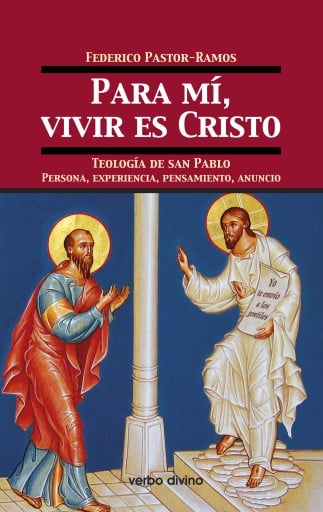
Para mí, vivir es Cristo
Pastor Ramos, Federico
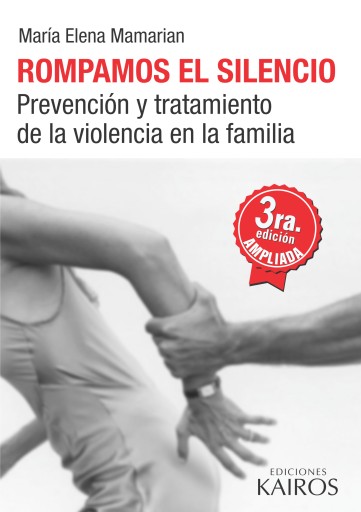
Rompamos el silencio
Mamarian, María Elena
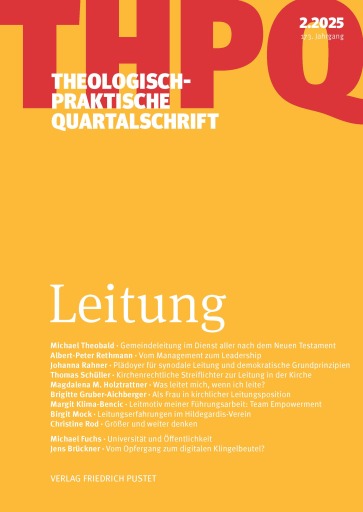
Leitung
Rethmann, Albert-Peter, Theobald, Michael, Rahner, Johanna, Schüller, Thomas, Holztrattner, Magdalena M., Gruber-Aichberger, Brigitte, Rod, Christine, Mock, Birgit, Klima-Bencic, Margit, Brückner, Jens, Fuchs, Michael, Batlogg, Andreas R.
Das Johannesevangelium
Zumstein, Jean
Landesherrschaft und Kirchenreform im 15. Jahrhundert