
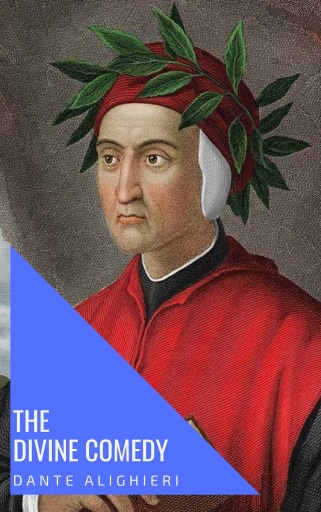
The Divine Comedy
Pubblicato da knowledge house
Disponibile in 9 librerie
 Bajalibros Argentina
🇦🇷
Visita il negozio →
Bajalibros Argentina
🇦🇷
Visita il negozio →

 Bookshop Uruguay
🇺🇾
Visita il negozio →
Bookshop Uruguay
🇺🇾
Visita il negozio →
 Crisol Ebooks
🇵🇪
Visita il negozio →
Crisol Ebooks
🇵🇪
Visita il negozio →
 ebooks Libreria del GAM
🇨🇱
Visita il negozio →
ebooks Libreria del GAM
🇨🇱
Visita il negozio →




Informazioni su questo libro
Disponibilità
The Divine Comedy è disponibile come eBook in 9 librerie online. Tra le librerie che lo vendono ci sono Bajalibros Argentina, Bajalibros Latam, Bookshop Uruguay.
Categorie
- Lingua
- English
Domande frequenti
- In quali formati è disponibile The Divine Comedy?
- The Divine Comedy è disponibile come eBook in 9 librerie online.
- Dove posso comprare The Divine Comedy?
- Puoi comprare The Divine Comedy su Bajalibros Argentina, Bajalibros Latam, Bookshop Uruguay. Confronta tutte le opzioni nell’elenco di questa pagina.
Valutazioni e recensioni
Ancora nessuna valutazione. Sii il primo a recensire questo libro.
Accedi per valutare e recensire questo libro.
Potrebbe piacerti anche
Historias fantásticas
King, Stephen

O Labirinto Das Almas Atormentadas
Ceadric, Rafeal
Mächtiger Zauberer:Ein Fantasie Abenteuer übernatürlich Roman(Band 3)
K.Qopt, Sanes
El diablo en la botella
Stevenson, Robert Louis

50 Clásicos que debes leer antes de morir
Shakespeare, William, Alighieri, Dante, Twain, Mark, Woolf, Virginia, Stevenson, Robert Louis, von Goethe, Johann Wolfgang, Flaubert, Gustave, Boccaccio, Giovanni, London, Jack, Joyce, James, Northup, Solomon, Hardy, Thomas, Scott, Walter, Aristóteles, Machado, Antonio, de Espronceda, José, Mill, John Stuart, Ibáñez, Vicente Blasco, Gibran, Kahlil, Doyle, Arthur Conan, Swift, Jonathan, Austen, Jane, Dumas, Alexandre, Hugo, Victor, Freud, Sigmund, Nietzsche, Friedrich, Meyrink, Gustav, Cooper, James Fenimore, Hawthorne, Nathaniel, Goethe, Johann Wolfgang, Baudelaire, Charles, Irving, Washington, Stowe, Harriet Beecher, Verne Julio, Lovecraft, H. P., De Unamuno, Miguel, Nervo, Amado, de Larra, Mariano José, de Quevedo, Francisco, del Valle-Inclán, Ramón María, Lorca, Federico García, Galdós, Benito Pérez, Brontë, Anne, Collodi, C., Dostoïevski, Fedor Mikhaïlovitch, Pushkin, Alexander Sergeyevich
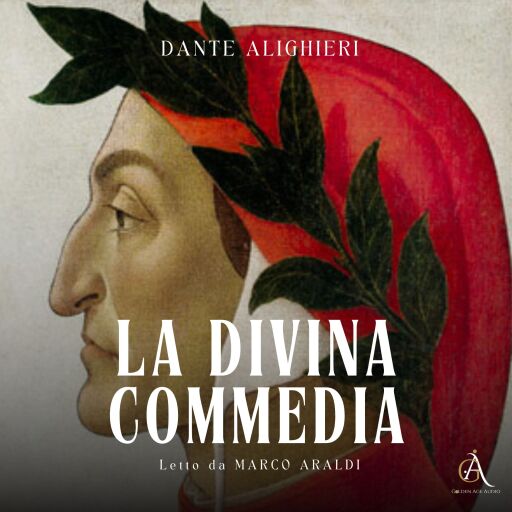
La Divina Commedia - Audiolibro
Alighieri, Dante