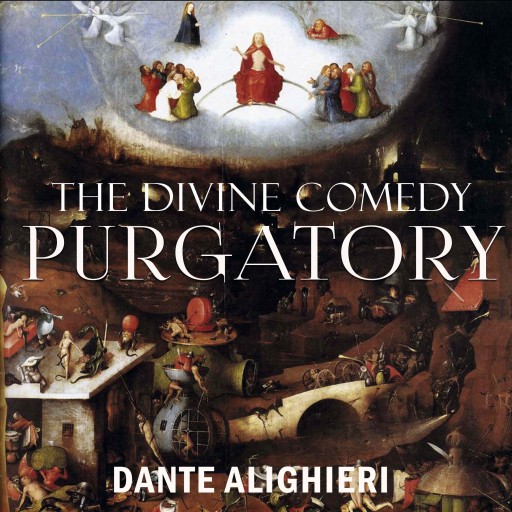
The Divine Comedy. Purgatory
Pubblicato da Strelbytskyy Multimedia Publishing
English
2024
ISBN 4057664947130
Audiolibro
Buy at LORANCHBOOKSTORE
🇺🇸
 Bajalibros Latam
🇺🇸
Visita il negozio →
Bajalibros Latam
🇺🇸
Visita il negozio →
 LORANCHBOOKSTORE
🇺🇸
Visita il negozio →
LORANCHBOOKSTORE
🇺🇸
Visita il negozio →
 Ebooks Librería Carlos Fuentes
🇲🇽
Visita il negozio →
Ebooks Librería Carlos Fuentes
🇲🇽
Visita il negozio →
 Viubux
🇲🇽
Visita il negozio →
Viubux
🇲🇽
Visita il negozio →
 Ebooks Librería Antártica
🇨🇱
Visita il negozio →
Ebooks Librería Antártica
🇨🇱
Visita il negozio →
 Ebooks Happy Books
🇨🇴
Visita il negozio →
Ebooks Happy Books
🇨🇴
Visita il negozio →
 ebooks libreria española
🇪🇨
Visita il negozio →
ebooks libreria española
🇪🇨
Visita il negozio →
 Bajalibros Argentina
🇦🇷
Visita il negozio →
Bajalibros Argentina
🇦🇷
Visita il negozio →
 Alpha Books
🇨🇴
Visita il negozio →
Alpha Books
🇨🇴
Visita il negozio →
 Sanborns Ebooks
🇲🇽
Visita il negozio →
Sanborns Ebooks
🇲🇽
Visita il negozio →
 ebooks Libreria del GAM
🇨🇱
Visita il negozio →
ebooks Libreria del GAM
🇨🇱
Visita il negozio →
 Bookshop Uruguay
🇺🇾
Visita il negozio →
Bookshop Uruguay
🇺🇾
Visita il negozio →
 Ebooks Yenny - El Ateneo
🇦🇷
Visita il negozio →
Ebooks Yenny - El Ateneo
🇦🇷
Visita il negozio →
 Crisol Ebooks
🇵🇪
Visita il negozio →
Crisol Ebooks
🇵🇪
Visita il negozio →
Disponibile in 14 librerie
Bajalibros Latam
🇺🇸
Visita il negozio →
LORANCHBOOKSTORE
🇺🇸
Visita il negozio →
Ebooks Librería Carlos Fuentes
🇲🇽
Visita il negozio →
Viubux
🇲🇽
Visita il negozio →
Ebooks Librería Antártica
🇨🇱
Visita il negozio →
Ebooks Happy Books
🇨🇴
Visita il negozio →
ebooks libreria española
🇪🇨
Visita il negozio →
Bajalibros Argentina
🇦🇷
Visita il negozio →
Alpha Books
🇨🇴
Visita il negozio →
Sanborns Ebooks
🇲🇽
Visita il negozio →
ebooks Libreria del GAM
🇨🇱
Visita il negozio →
Bookshop Uruguay
🇺🇾
Visita il negozio →
Ebooks Yenny - El Ateneo
🇦🇷
Visita il negozio →
Crisol Ebooks
🇵🇪
Visita il negozio →
Informazioni su questo libro
Purgatorio (Italian: [purɡaˈtɔːrjo]; Italian for "Purgatory") is the second part of Dante's Divine Comedy, following the Inferno, and preceding the Paradiso. The poem was written in the early 14th century. It is an allegory telling of the climb of Dante up the Mount of Purgatory, guided by the Roman poet Virgil, except for the last four cantos at which point Beatrice takes over as Dante's guide.
Purgatory in the poem is depicted as a mountain in the Southern Hemisphere, consisting of a bottom section (Ante-Purgatory), seven levels of suffering and spiritual growth (associated with the seven deadly sins), and finally the Earthly Paradise at the top. Allegorically, the Purgatorio represents the penitent Christian life. In describing the climb Dante discusses the nature of sin, examples of vice and virtue, as well as moral issues in politics and in the Church. The poem outlines a theory that all sins arise from love – either perverted love directed towards others' harm, or deficient love, or the disordered or excessive love of good things.
Categorie
- Lingua
- English
Condividi