

The Typhoon of War
Di Poyer, Lin, Falgout, Suzanne, Carucci, Laurence Marshall
Pubblicato da University of Hawaii Press
Disponibile in 13 librerie
 Association of University Presses - Tienda FILUNI
🇺🇸
Visita il negozio →
Association of University Presses - Tienda FILUNI
🇺🇸
Visita il negozio →
 Bajalibros Argentina
🇦🇷
Visita il negozio →
Bajalibros Argentina
🇦🇷
Visita il negozio →
 Bajalibros Latam
🇺🇸
Visita il negozio →
Bajalibros Latam
🇺🇸
Visita il negozio →
 Bookshop Uruguay
🇺🇾
Visita il negozio →
Bookshop Uruguay
🇺🇾
Visita il negozio →
 Catademic
🇺🇸
Visita il negozio →
Catademic
🇺🇸
Visita il negozio →








Informazioni su questo libro
Disponibilità
The Typhoon of War è disponibile come PDF in 13 librerie online. Tra le librerie che lo vendono ci sono Association of University Presses - Tienda FILUNI, Bajalibros Argentina, Bajalibros Latam.
Categorie
- Lingua
- English
Domande frequenti
- In quali formati è disponibile The Typhoon of War?
- The Typhoon of War è disponibile come PDF in 13 librerie online.
- Dove posso comprare The Typhoon of War?
- Puoi comprare The Typhoon of War su Association of University Presses - Tienda FILUNI, Bajalibros Argentina, Bajalibros Latam. Confronta tutte le opzioni nell’elenco di questa pagina.
- Quanto tempo ci vuole per leggere The Typhoon of War?
- A un ritmo di lettura medio, The Typhoon of War si legge in circa 9 h 20 min (509 pagine).
Valutazioni e recensioni
Ancora nessuna valutazione. Sii il primo a recensire questo libro.
Accedi per valutare e recensire questo libro.
Potrebbe piacerti anche

Un patriota antiguo: autobiografía y recopilación documental sobre el general Antonio Obando
Pita Rico, Roger

Battle Honours of the British Army
Norman, Charles Boswell

Breve historia del ejército napoleónico
Bar Shuali, Jonathan Jacobo
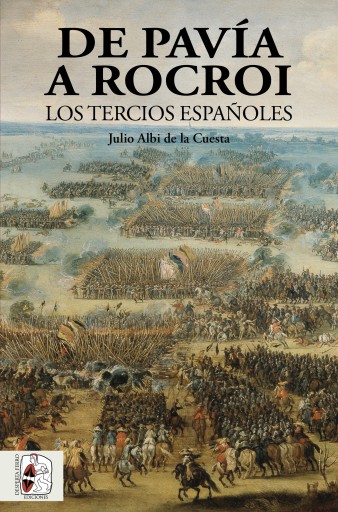
De Pavía a Rocroi
Albi de la Cuesta, Julio

La Guerra Civil española para dummies
Louzao, Joseba

The History of Rome - All 5 Volumes in One Edition
Mommsen, Theodor