
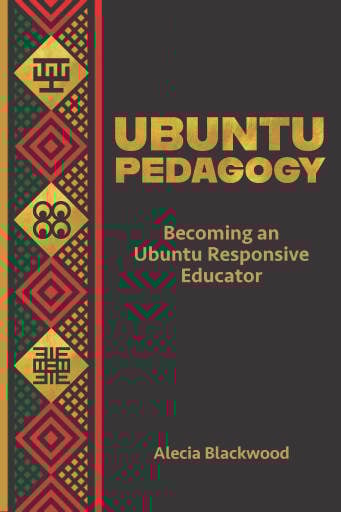
Ubuntu Pedagogy
Pubblicato da Myers Education Press
English
2025
ISBN 9781975507510
PDF
Buy at Bajalibros Latam
🇺🇸
 Bajalibros Latam
🇺🇸
Visita il negozio →
Bajalibros Latam
🇺🇸
Visita il negozio →
 Ebooks Librería Antártica
🇨🇱
Visita il negozio →
Ebooks Librería Antártica
🇨🇱
Visita il negozio →
 Ebooks Agustin
🇪🇸
Visita il negozio →
Ebooks Agustin
🇪🇸
Visita il negozio →
 Bajalibros Argentina
🇦🇷
Visita il negozio →
Bajalibros Argentina
🇦🇷
Visita il negozio →
 Sanborns Ebooks
🇲🇽
Visita il negozio →
Sanborns Ebooks
🇲🇽
Visita il negozio →
 ebooks Libreria del GAM
🇨🇱
Visita il negozio →
ebooks Libreria del GAM
🇨🇱
Visita il negozio →
 Bookshop Uruguay
🇺🇾
Visita il negozio →
Bookshop Uruguay
🇺🇾
Visita il negozio →
 Ebooks Yenny - El Ateneo
🇦🇷
Visita il negozio →
Ebooks Yenny - El Ateneo
🇦🇷
Visita il negozio →
 Crisol Ebooks
🇵🇪
Visita il negozio →
Crisol Ebooks
🇵🇪
Visita il negozio →
Disponibile in 9 librerie
Bajalibros Latam
🇺🇸
Visita il negozio →
Ebooks Librería Antártica
🇨🇱
Visita il negozio →
Ebooks Agustin
🇪🇸
Visita il negozio →
Bajalibros Argentina
🇦🇷
Visita il negozio →
Sanborns Ebooks
🇲🇽
Visita il negozio →
ebooks Libreria del GAM
🇨🇱
Visita il negozio →
Bookshop Uruguay
🇺🇾
Visita il negozio →
Ebooks Yenny - El Ateneo
🇦🇷
Visita il negozio →
Crisol Ebooks
🇵🇪
Visita il negozio →
Informazioni su questo libro
<i>Ubuntu Pedagogy</i> is a compelling narrative born from the author's lived experience and extensive teaching in the United States. The book chronicles her journey to Southern Africa, where she sought to understand what it means to "teach in the spirit of ubuntu." The book explores the transformative power of Ubuntu, an ancient African philosophy rooted in human interconnectedness and mutual care. It demonstrates how the principles of Ubuntu can be applied to create an engaging, inclusive, and effective learning environment. This work blends personal stories, practical examples, and a conceptual framework of Ubuntu pedagogy, illustrating its profound impact on both teaching practices and student achievement.<br><br><b>Part One</b><br>In this section, the author recounts her challenging first year of teaching within a large urban public school district. Through reflection, she recognizes how the traumatic events of 9/11 impacted how she showed up as a teacher and underscored the importance of reflective practice, which became a cornerstone of her teaching philosophy. Through these reflections, she emphasizes the need for educators to engage in self-examination and continuous learning to navigate and overcome initial challenges effectively.<br><br><b>Part Two</b><br>In part two, the author unpacks the essence of teaching in the spirit of Ubuntu, focusing on its six core components. Central to this approach is understanding oneself and building positive relationships with others. This section explores creating unity among students from a place of love and care and the importance of using evidence-based practices to cater to diverse learning needs. It provides actionable insights into fostering a classroom environment rooted in compassion and mutual respect.<br><br><b>Part Three</b><br>This part of the book transports readers to the author's time working with children and teachers in the rural and inner-city schools of Botswana and Namibia. As an outsider, she observed and documented numerous instances of Ubuntu in action which highlighted the profound sense of community and support inherent in the Ubuntu philosophy, offering valuable lessons for educators worldwide.<br><br><b>Part Four</b><br>This section examines the role of Ubuntu in creating a harmonious learning environment through a compassionate approach to discipline. It discusses how Ubuntu-based discipline strategies can foster respect, responsibility, and positive student behavior, enhancing the classroom atmosphere.<br><br><b>Part Five</b><br>In part five, the author distinguishes between cultural competence and Ubuntu competence, elaborating on what it means to be a truly competent teacher. Drawing from real-life experiences of educators in inner-city schools across the United States, this section highlights the importance of embracing diverse cultural perspectives and fostering an inclusive learning environment.<br><br><b>Part Six</b><br>This section explores the intrinsic link between who educators are as individuals and how they teach. It provides a step-by-step guide for educators to develop and articulate their teaching philosophy, emphasizing the importance of authenticity and self-awareness in fostering meaningful connections with students.<br><br><b>Part Seven</b><br>The book's final section focuses on practical applications of Ubuntu principles to cultivate good character among students using proverbs, aphorisms, and adinkra symbols as tools to promote ethical decision-making and positive behavior. This chapter offers concrete strategies for educators to help students develop moral integrity and make sound choices. <br><br><i>Ubuntu Pedagogy </i>is more than a pedagogical guide; it is a testament to the power of human connection and compassionate teaching. By integrating Ubuntu into educational practices, the author will inspire educators to create nurturing, inclusive, and effective learning environments that honor the humanity of every student.<br>
- Lingua
- English
Condividi
Potrebbe piacerti anche

Historia de la Educación Diferencial en Chile y la Región de Coquimbo
Roberto Castro

Projetos e metodologias ativas de aprendizagem
de Oliveira, Édison Trombeta

Estágio e docência
Lima, Maria Socorro Lucena, Pimenta, Selma Garrido

Educación basada en competencias
Cuda, Mariela, Borba, Domingo

Diálogos provocadores
Bernal Acosta, Antonio

Simulando uma transição de fase por meio de tachinhas coloridas
Nogueira, Anderson Antunes, Santos, Antonio Sidinei Silva, Gracia, Gabriel Brandão de, Nascimento, Laercio José