
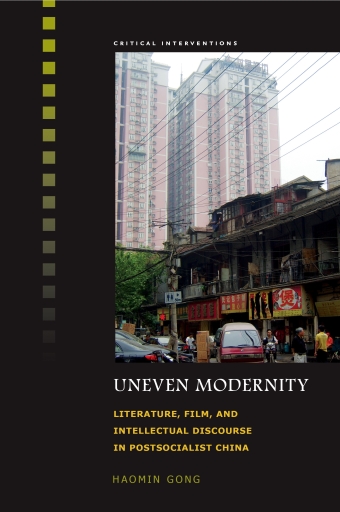
Uneven Modernity
Di Gong, Haomin
Pubblicato da University of Hawaii Press
English
201 pagine
2011
ISBN 9780824860400
PDF
Buy at Bajalibros Latam
🇺🇸
 Catademic
🇺🇸
Visita il negozio →
Catademic
🇺🇸
Visita il negozio →
 Bajalibros Latam
🇺🇸
Visita il negozio →
Bajalibros Latam
🇺🇸
Visita il negozio →
 Association of University Presses - Tienda FILUNI
🇺🇸
Visita il negozio →
Association of University Presses - Tienda FILUNI
🇺🇸
Visita il negozio →
 Ebooks Librería Antártica
🇨🇱
Visita il negozio →
Ebooks Librería Antártica
🇨🇱
Visita il negozio →
 Ebooks Agustin
🇪🇸
Visita il negozio →
Ebooks Agustin
🇪🇸
Visita il negozio →
 Bajalibros Argentina
🇦🇷
Visita il negozio →
Bajalibros Argentina
🇦🇷
Visita il negozio →
 Sanborns Ebooks
🇲🇽
Visita il negozio →
Sanborns Ebooks
🇲🇽
Visita il negozio →
 ebooks Libreria del GAM
🇨🇱
Visita il negozio →
ebooks Libreria del GAM
🇨🇱
Visita il negozio →
 Bookshop Uruguay
🇺🇾
Visita il negozio →
Bookshop Uruguay
🇺🇾
Visita il negozio →
 ebookskitapenas
🇬🇹
Visita il negozio →
ebookskitapenas
🇬🇹
Visita il negozio →
 Ebooks Yenny - El Ateneo
🇦🇷
Visita il negozio →
Ebooks Yenny - El Ateneo
🇦🇷
Visita il negozio →
 Crisol Ebooks
🇵🇪
Visita il negozio →
Crisol Ebooks
🇵🇪
Visita il negozio →
Disponibile in 12 librerie
Catademic
🇺🇸
Visita il negozio →
Bajalibros Latam
🇺🇸
Visita il negozio →
Association of University Presses - Tienda FILUNI
🇺🇸
Visita il negozio →
Ebooks Librería Antártica
🇨🇱
Visita il negozio →
Ebooks Agustin
🇪🇸
Visita il negozio →
Bajalibros Argentina
🇦🇷
Visita il negozio →
Sanborns Ebooks
🇲🇽
Visita il negozio →
ebooks Libreria del GAM
🇨🇱
Visita il negozio →
Bookshop Uruguay
🇺🇾
Visita il negozio →
ebookskitapenas
🇬🇹
Visita il negozio →
Ebooks Yenny - El Ateneo
🇦🇷
Visita il negozio →
Crisol Ebooks
🇵🇪
Visita il negozio →
Informazioni su questo libro
<p>Postsocialist China is marked by paradoxes: economic boom, political conservatism, cultural complexity. Haomin Gong’s dynamic study of these paradoxes, or “unevenness,” provides a unique and seminal approach to contemporary China. Reading unevenness as a problem and an opportunity simultaneously, Gong investigates how this dialectical social situation shapes cultural production. He begins his investigation of “uneven modernity” in China by constructing a critical framework of unevenness among different theoretical schools and expounding on how dialectical thinking points to a metaphysical paradox in capitalism and modernity: the inevitable tension between a constant pursuit of infinite fullness and a break of fullness (unevenness) as the means of this pursuit. In the Chinese context, this paradox is created in the “uneven developmentalism” that most manifestly characterizes the postsocialist period.<br><br>Gong goes on to investigate manifestations of the dialectics of unevenness in specific cultural events. Four case studies address respectively but not exclusively literature (the prose of Yu Qiuyu), popular fiction (Chi Li’s neorealist fiction), commercial cinema (the movies of Feng Xiaogang), and art-house cinema (Wang Xiaoshuai’s filmmaking). Representing different aspects of cultural production in postsocialist China, these writers and directors deal with the same social condition of uneven development, and their works clearly exhibit the problematics of this age.<br><br><i>Uneven Modernity</i> makes a significant contribution to the burgeoning field of China studies as well as the study of uneven development in general. It addresses some of the most popular, yet understudied, cultural phenomena in contemporary China. Specialists and students will find its insights admirable and its style accessible.</p>
- Lingua
- English
Condividi
Potrebbe piacerti anche
Following the Sun-Flag: A Vain Pursuit Through Manchuria
Fox, John, Jr.
Ball of Fat (Boule De Suif)
de Maupassant, Guy

Cicatrizes De Jade
Kelira, Yandrah
Conceiving the Indian Buddhist Patriarchs in China
Young, Stuart H.
The Zoomorphic Imagination in Chinese Art and Culture
The Qing Opening to the Ocean
Zhao, Gang