Voices in Revolution
Pubblicato da University of Hawaii Press
English
242 pagine
2009
ISBN 9780824837532
PDF
Buy at Bajalibros Latam
🇺🇸
 Catademic
🇺🇸
Visita il negozio →
Catademic
🇺🇸
Visita il negozio →
 Bajalibros Latam
🇺🇸
Visita il negozio →
Bajalibros Latam
🇺🇸
Visita il negozio →
 Association of University Presses - Tienda FILUNI
🇺🇸
Visita il negozio →
Association of University Presses - Tienda FILUNI
🇺🇸
Visita il negozio →
 Ebooks Librería Antártica
🇨🇱
Visita il negozio →
Ebooks Librería Antártica
🇨🇱
Visita il negozio →
 Ebooks Agustin
🇪🇸
Visita il negozio →
Ebooks Agustin
🇪🇸
Visita il negozio →
 Bajalibros Argentina
🇦🇷
Visita il negozio →
Bajalibros Argentina
🇦🇷
Visita il negozio →
 Sanborns Ebooks
🇲🇽
Visita il negozio →
Sanborns Ebooks
🇲🇽
Visita il negozio →
 ebooks Libreria del GAM
🇨🇱
Visita il negozio →
ebooks Libreria del GAM
🇨🇱
Visita il negozio →
 Bookshop Uruguay
🇺🇾
Visita il negozio →
Bookshop Uruguay
🇺🇾
Visita il negozio →
 ebookskitapenas
🇬🇹
Visita il negozio →
ebookskitapenas
🇬🇹
Visita il negozio →
 Ebooks Yenny - El Ateneo
🇦🇷
Visita il negozio →
Ebooks Yenny - El Ateneo
🇦🇷
Visita il negozio →
 Crisol Ebooks
🇵🇪
Visita il negozio →
Crisol Ebooks
🇵🇪
Visita il negozio →
Disponibile in 12 librerie
Catademic
🇺🇸
Visita il negozio →
Bajalibros Latam
🇺🇸
Visita il negozio →
Association of University Presses - Tienda FILUNI
🇺🇸
Visita il negozio →
Ebooks Librería Antártica
🇨🇱
Visita il negozio →
Ebooks Agustin
🇪🇸
Visita il negozio →
Bajalibros Argentina
🇦🇷
Visita il negozio →
Sanborns Ebooks
🇲🇽
Visita il negozio →
ebooks Libreria del GAM
🇨🇱
Visita il negozio →
Bookshop Uruguay
🇺🇾
Visita il negozio →
ebookskitapenas
🇬🇹
Visita il negozio →
Ebooks Yenny - El Ateneo
🇦🇷
Visita il negozio →
Crisol Ebooks
🇵🇪
Visita il negozio →
Informazioni su questo libro
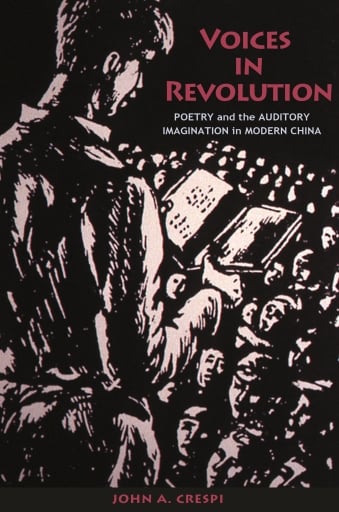
<p>China’s century of revolutionary change has been heard as much as seen, and nowhere is this more evident than in an auditory history of the modern Chinese poem. From Lu Xun’s seminal writings on literature to a recitation renaissance in urban centers today, poetics meets politics in the sounding voice of poetry. Supported throughout by vivid narration and accessible analysis, <i>Voices in Revolution</i> offers a literary history of modern China that makes the case for the importance of the auditory dimension of poetry in national, revolutionary, and postsocialist culture. <br><br>Crespi brings the past to life by first examining the ideological changes to poetic voice during China’s early twentieth-century transition from empire to nation. He then traces the emergence of the spoken poem from the May Fourth period to the present, including its mobilization during the Anti-Japanese War, its incorporation into the student protest repertoire during China’s civil war, its role as a conflicted voice of Mao-era revolutionary passion, and finally its current adaptation to the cultural life of China’s party-guided market economy. <br><br><i>Voices in Revolution</i> alters the way we read by moving poems off the page and into the real time and space of literary activity. To all readers it offers an accessible yet conceptually fresh and often dramatic narration of China’s modern literary experience. Specialists will appreciate the book’s inclusion of noncanonical texts as well as its innovative interdisciplinary approach.</p>
Categorie
- Lingua
- English
Condividi
Potrebbe piacerti anche
Chinese Buddhism
Yü, Chün-fang

Solo andata
Tursun, Mihrigul

Montanhas e pescadores
Zhongyi, Chen, Haiyan, Ren, Rocha, João Cezar de Castro
How Zen Became Zen
Schlutter, Morten

The Sinitic Encounter in Southeast China through the First Millennium CE
Clark, Hugh R.