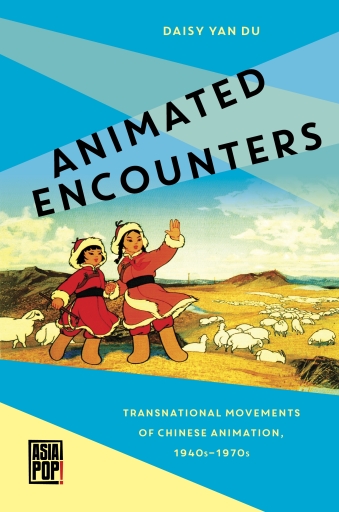
Animated Encounters
Autor: Du, Daisy Yan
Wydane przez University of Hawaii Press
English
2019
ISBN 9780824877521
eBook
Buy at Catademic
🇺🇸
Catademic
🇺🇸
Odwiedź sklep →
Bajalibros Latam
🇺🇸
Odwiedź sklep →
Association of University Presses - Tienda FILUNI
🇺🇸
Odwiedź sklep →

Ebooks Librería Antártica
🇨🇱
Odwiedź sklep →
Ebooks Agustin
🇪🇸
Odwiedź sklep →
Bajalibros Argentina
🇦🇷
Odwiedź sklep →

Sanborns Ebooks
🇲🇽
Odwiedź sklep →
ebooks Libreria del GAM
🇨🇱
Odwiedź sklep →
Bookshop Uruguay
🇺🇾
Odwiedź sklep →

ebookskitapenas
🇬🇹
Odwiedź sklep →
Ebooks Yenny - El Ateneo
🇦🇷
Odwiedź sklep →
Crisol Ebooks
🇵🇪
Odwiedź sklep →
Dostępne w 12 księgarniach
Catademic
🇺🇸
Odwiedź sklep →
Association of University Presses - Tienda FILUNI
🇺🇸
Odwiedź sklep →
Ebooks Librería Antártica
🇨🇱
Odwiedź sklep →
Ebooks Agustin
🇪🇸
Odwiedź sklep →
Sanborns Ebooks
🇲🇽
Odwiedź sklep →
ebooks Libreria del GAM
🇨🇱
Odwiedź sklep →
ebookskitapenas
🇬🇹
Odwiedź sklep →
Ebooks Yenny - El Ateneo
🇦🇷
Odwiedź sklep →
Crisol Ebooks
🇵🇪
Odwiedź sklep →
O tej książce
<p>China’s role in the history of world animation has been trivialized or largely forgotten. In <i>Animated Encounters </i>Daisy Yan Du addresses this omission in her study of Chinese animation and its engagement with international forces during its formative period, the 1940s–1970s. She introduces readers to transnational movements in early Chinese animation, tracing the involvement of Japanese, Soviet, American, Taiwanese, and China’s ethnic minorities, at socio-historical or representational levels, in animated filmmaking in China. Du argues that Chinese animation was international almost from its inception and that such border-crossing exchanges helped make it “Chinese” and subsequently transform the history of world animation. She highlights animated encounters and entanglements to provide an alternative to current studies of the subject characterized by a preoccupation with essentialist ideas of “Chineseness” and further questions the long-held belief that the forty-year-period in question was a time of cultural isolationism for China due to constant wars and revolutions.<br><br>China’s socialist era, known for the pervasiveness of its political propaganda and suppression of the arts, unexpectedly witnessed a golden age of animation. Socialist collectivism, reinforced by totalitarian politics and centralized state control, allowed Chinese animation to prosper and flourish artistically. In addition, the double marginality of animation—a minor art form for children—coupled with its disarming qualities and intrinsic malleability and mobility, granted animators and producers the double power to play with politics and transgress ideological and geographical borders while surviving censorship, both at home and abroad.<br><br>A captivating and enlightening history, <i>Animated Encounters</i> will attract scholars and students of world film and animation studies, children’s culture, and modern Chinese history.</p>
Kategorie
- Język
- English
Udostępnij