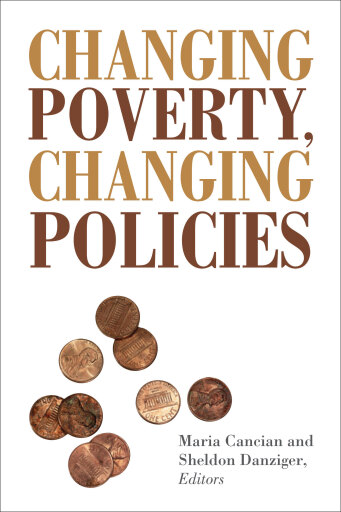
Changing Poverty, Changing Policies
Wydane przez Russell Sage Foundation
English
2009
ISBN 9781610445986
eBook
Buy at RSAGE
🇺🇸
Catademic
🇺🇸
Odwiedź sklep →
ebookstaolistic
🇺🇸
Odwiedź sklep →
Bajalibros Latam
🇺🇸
Odwiedź sklep →
RS
RSAGE
🇺🇸
Odwiedź sklep →
Association of University Presses - Tienda FILUNI
🇺🇸
Odwiedź sklep →

Ebooks Librería Antártica
🇨🇱
Odwiedź sklep →
Ebooks Agustin
🇪🇸
Odwiedź sklep →
Bajalibros Argentina
🇦🇷
Odwiedź sklep →

Sanborns Ebooks
🇲🇽
Odwiedź sklep →
ebooks Libreria del GAM
🇺🇾
Odwiedź sklep →
Bookshop Uruguay
🇺🇾
Odwiedź sklep →

ebookskitapenas
🇬🇹
Odwiedź sklep →
Ebooks Yenny - El Ateneo
🇦🇷
Odwiedź sklep →
Crisol Ebooks
🇨🇴
Odwiedź sklep →
Dostępne w 14 księgarniach
Catademic
🇺🇸
Odwiedź sklep →
ebookstaolistic
🇺🇸
Odwiedź sklep →
Association of University Presses - Tienda FILUNI
🇺🇸
Odwiedź sklep →
Ebooks Librería Antártica
🇨🇱
Odwiedź sklep →
Ebooks Agustin
🇪🇸
Odwiedź sklep →
Sanborns Ebooks
🇲🇽
Odwiedź sklep →
ebooks Libreria del GAM
🇺🇾
Odwiedź sklep →
ebookskitapenas
🇬🇹
Odwiedź sklep →
Ebooks Yenny - El Ateneo
🇦🇷
Odwiedź sklep →
Crisol Ebooks
🇨🇴
Odwiedź sklep →
O tej książce
<div>Poverty declined significantly in the decade after Lyndon Johnson's 1964 declaration of "War on Poverty." Dramatically increased federal funding for education and training programs, social security benefits, other income support programs, and a growing economy reduced poverty and raised expectations that income poverty could be eliminated within a generation. Yet the official poverty rate has never fallen below its 1973 level and remains higher than the rates in many other advanced economies. In this book, editors Maria Cancian and Sheldon Danziger and leading poverty researchers assess why the War on Poverty was not won and analyze the most promising strategies to reduce poverty in the twenty-first century economy. Changing Poverty, Changing Policies documents how economic, social, demographic, and public policy changes since the early 1970s have altered who is poor and where antipoverty initiatives have kept pace or fallen behind. Part I shows that little progress has been made in reducing poverty, except among the elderly, in the last three decades. The chapters examine how changing labor market opportunities for less-educated workers have increased their risk of poverty (Rebecca Blank), and how family structure changes (Maria Cancian and Deborah Reed) and immigration have affected poverty (Steven Raphael and Eugene Smolensky). Part II assesses the ways childhood poverty influences adult outcomes. Markus Jäntti finds that poor American children are more likely to be poor adults than are children in many other industrialized countries. Part III focuses on current antipoverty policies and possible alternatives. Jane Waldfogel demonstrates that policies in other countries—such as sick leave, subsidized child care, and schedule flexibility—help low-wage parents better balance work and family responsibilities. Part IV considers how rethinking and redefining poverty might take antipoverty policies in new directions. Mary Jo Bane assesses the politics of poverty since the 1996 welfare reform act. Robert Haveman argues that income-based poverty measures should be expanded, as they have been in Europe, to include social exclusion and multiple dimensions of material hardships. Changing Poverty, Changing Policies shows that thoughtful policy reforms can reduce poverty and promote opportunities for poor workers and their families. The authors' focus on pragmatic measures that have real possibilities of being implemented in the United States not only provides vital knowledge about what works but real hope for change.</div>
Kategorie
- Język
- English
Udostępnij
Może ci się też spodobać
Diálogo de Valor
de Souza, Ricardo
Ética para la empresa
Savater, Fernando
Retos y oportunidades de las MIPYMES en los territorios de Colombia
Díaz Muñoz, Gloria Marlene, Navas, Elsa Beatriz Gutiérrez, Suárez, Jaime Enrique Sarmiento, Montañez, Julio César Ramírez, Rodríguez, Seydyss Garay, Quintero, Yanyn Aurora Rincón
The Coaching Habit
Stanier, Michael Bungay
Economía para no morir
Ramírez Liceth, Cristina, Salas Cardona, Carlos
Lean Service, management total
Pérez Morales, Guillermo, Morato Gómez, José Luis