
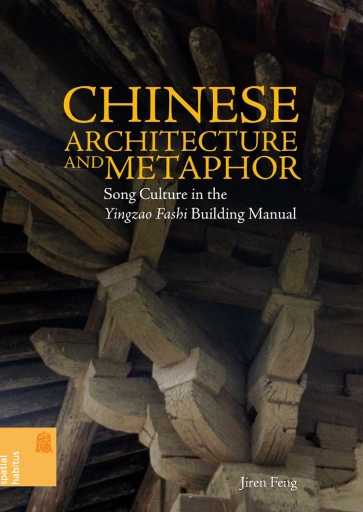
Chinese Architecture and Metaphor
Autor: Feng, Jiren
Wydane przez University of Hawaii Press
Dostępne w 13 księgarniach
 Association of University Presses - Tienda FILUNI
🇺🇸
Odwiedź sklep →
Association of University Presses - Tienda FILUNI
🇺🇸
Odwiedź sklep →
 Bajalibros Argentina
🇦🇷
Odwiedź sklep →
Bajalibros Argentina
🇦🇷
Odwiedź sklep →
 Bajalibros Latam
🇺🇸
Odwiedź sklep →
Bajalibros Latam
🇺🇸
Odwiedź sklep →

 Catademic
🇺🇸
Odwiedź sklep →
Catademic
🇺🇸
Odwiedź sklep →








O tej książce
Dostępność
Chinese Architecture and Metaphor jest dostępna jako PDF w 13 księgarni internetowej. Wśród księgarni, które ją oferują, są Association of University Presses - Tienda FILUNI, Bajalibros Argentina, Bajalibros Latam.
Kategorie
- Język
- English
Najczęstsze pytania
- W jakich formatach dostępna jest Chinese Architecture and Metaphor?
- Chinese Architecture and Metaphor jest dostępna jako PDF w 13 księgarni internetowej.
- Gdzie mogę kupić Chinese Architecture and Metaphor?
- Możesz kupić Chinese Architecture and Metaphor w Association of University Presses - Tienda FILUNI, Bajalibros Argentina, Bajalibros Latam. Porównaj wszystkie opcje na liście na tej stronie.
- Ile czasu zajmuje przeczytanie Chinese Architecture and Metaphor?
- Przy przeciętnym tempie czytania Chinese Architecture and Metaphor zajmuje około 5 godz. 54 min (322 stron).
Oceny i recenzje
Brak ocen. Bądź pierwszą osobą, która zrecenzuje tę książkę.
Zaloguj się aby ocenić i zrecenzować tę książkę.
Może ci się też spodobać
Bell's Cathedrals
Sergeant, Philip Walsingham
Das Grabmal des Theoderich zu Ravenna und seine Stellung in der Architekturgeschichte
Schulz, Bruno

Historia de la decadencia y caída del Imperio Romano. Tomo I
Gibbon, Edward

As obras dos Jeronymos
Cordeiro, Luciano

A B C of Gothic Architecture
Parker, John Henry
The Temple of Ramesses II in Abydos
Goelet, Ogden, Iskander, Sameh