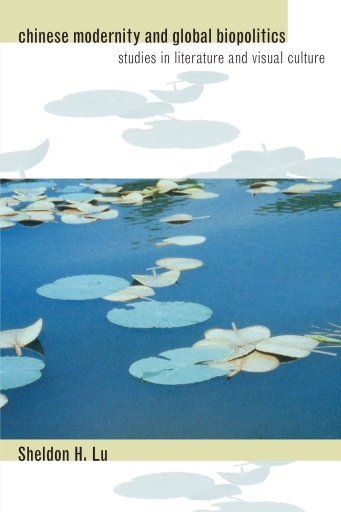
Chinese Modernity and Global Biopolitics
Autor: Lu, Sheldon Hsiao-peng
Wydane przez University of Hawaii Press
Dostępne w 13 księgarniach
 Association of University Presses - Tienda FILUNI
🇺🇸
Odwiedź sklep →
Association of University Presses - Tienda FILUNI
🇺🇸
Odwiedź sklep →

 Bajalibros Latam
🇺🇸
Odwiedź sklep →
Bajalibros Latam
🇺🇸
Odwiedź sklep →
 Bookshop Uruguay
🇺🇾
Odwiedź sklep →
Bookshop Uruguay
🇺🇾
Odwiedź sklep →
 Catademic
🇺🇸
Odwiedź sklep →
Catademic
🇺🇸
Odwiedź sklep →








O tej książce
Dostępność
Chinese Modernity and Global Biopolitics jest dostępna jako PDF w 13 księgarni internetowej. Wśród księgarni, które ją oferują, są Association of University Presses - Tienda FILUNI, Bajalibros Argentina, Bajalibros Latam.
Kategorie
- Język
- English
Najczęstsze pytania
- W jakich formatach dostępna jest Chinese Modernity and Global Biopolitics?
- Chinese Modernity and Global Biopolitics jest dostępna jako PDF w 13 księgarni internetowej.
- Gdzie mogę kupić Chinese Modernity and Global Biopolitics?
- Możesz kupić Chinese Modernity and Global Biopolitics w Association of University Presses - Tienda FILUNI, Bajalibros Argentina, Bajalibros Latam. Porównaj wszystkie opcje na liście na tej stronie.
- Ile czasu zajmuje przeczytanie Chinese Modernity and Global Biopolitics?
- Przy przeciętnym tempie czytania Chinese Modernity and Global Biopolitics zajmuje około 5 godz. 9 min (281 stron).
Oceny i recenzje
Brak ocen. Bądź pierwszą osobą, która zrecenzuje tę książkę.
Zaloguj się aby ocenić i zrecenzować tę książkę.